 English


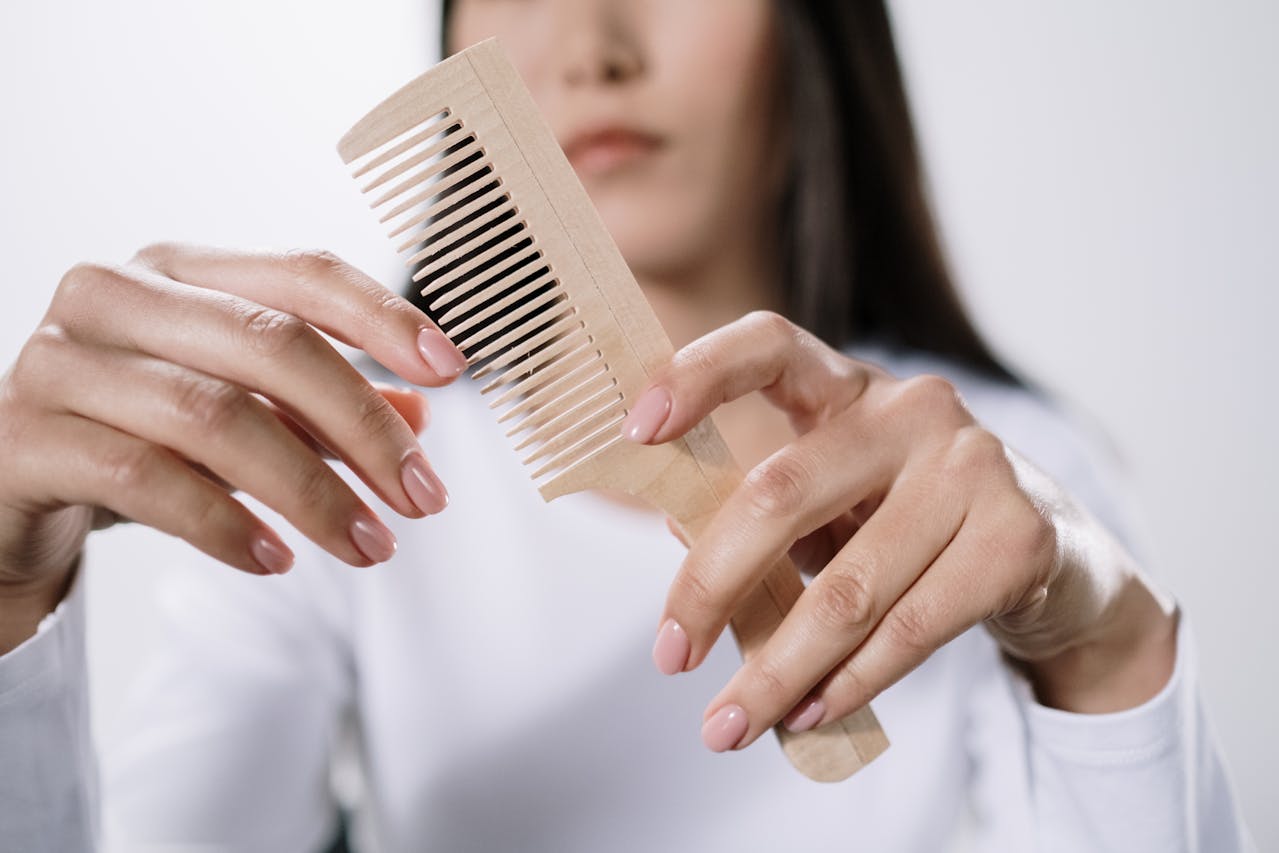
Hair loss is a problem that affects many people at various stages of life. It can be caused by many factors, both internal and external. Understanding what is happening to our hair when it begins to fall out can help with noticing the problem sooner and taking appropriate steps to address it.
In this article you will learn about:
- the natural hair loss process,
- symptoms of excessive hair loss,
- the most important causes of this process,
- a tested product that supports hair health.
What Is Hair Loss and How Much Is "Normal"?
Hair loss is a natural physiological process that affects each of us. On average, we lose between 50 and 100 hairs every day, and during seasonal periods such as autumn or spring, this number can rise to as many as 200 hairs per day. This is part of the hair life cycle, in which old hairs fall out to make room for new, growing ones.
The hair loss process is part of a natural cycle consisting of three main phases:
- Growth phase (anagen) – lasts several years, during which the hair grows.
- Transitional phase (catagen) – lasts several weeks, during which hair growth stops and the hair follicles begin to shrink.
- Resting phase (telogen) – lasts from several weeks to several months; during this time the hair falls out and a new one begins to grow in its place.
External factors, such as changes in the seasons, can affect the intensity of hair loss, which is completely normal. Nevertheless, excessive hair loss that does not subside on its own may require attention.
When Is Hair Loss Natural and When Should It Be Cause for Concern?
It is important to distinguish physiological hair loss from excessive hair loss, which may be a signal of a more serious problem. Physiological hair loss is completely natural and occurs within the hair life cycle.
Physiological hair loss:
Hair naturally goes through a life cycle lasting 3–4 years, after which approximately 10–15% of hairs are in the telogen (resting) phase and fall out to make room for new ones. Losing 50–100 hairs per day (and during certain periods – up to 200) is normal and should not be cause for concern.
Excessive (concerning) hair loss:
Hair loss becomes a problem when:
- You notice significantly more hairs on your brush, pillow, or drain than usual.
- Hair falls out in clumps during washing, combing, or even gently running your hands through it.
- Hair becomes dull and rough, and its density decreases, causing the scalp to become more visible.
- Hair loss lasts longer than usual and does not subside on its own.
In such cases it is worth consulting a dermatologist to identify the causes of excessive hair loss and implement appropriate treatment.
Main Causes of Increased Hair Loss
There are many factors that can contribute to excessive hair loss. Understanding them is key to effectively taking appropriate action.
Seasonal factors:
Autumn and spring are the seasons in which many people experience increased hair loss. The change of seasons is associated with the body's natural cycle, as well as with the body being weakened after winter or an intense summer, which can cause an increase in the number of hairs that fall out.
Health problems:
- Thyroid disorders – both hypothyroidism and hyperthyroidism can lead to weakened hair and excessive hair loss.
- Anemia (iron deficiency) – iron is essential for hair growth, and its deficiency often manifests as increased hair loss.
- Autoimmune diseases – such as Hashimoto's or lupus, which can attack hair follicles, leading to their damage and hair loss.
- Polycystic ovary syndrome (PCOS) – can cause hormonal imbalances that affect the hair life cycle.
- Infections with high fever – can delay the hair growth phase, leading to hair loss after several months.
Lifestyle and diet:
- Chronic stress – prolonged stress is one of the most common causes of telogen effluvium hair loss, which leads to significant hair loss.
- Crash dieting – restrictive diets, especially those low in protein and nutrients, can weaken hair and cause it to fall out.
- Vitamin and mineral deficiencies – iron, zinc, B vitamins, vitamin D3, and omega-3 fatty acids are essential for hair health. Their deficiencies can lead to weakening of the hair structure, which in turn contributes to hair loss.
NL-GHK-Cu™ – Support in the Fight Against Hair Loss and Improving Skin Condition
If you are struggling with hair loss and want to support the body's natural regeneration processes, it is worth considering adding the supplement NL-GHK-Cu™ to your routine. This is a tested product that combines GHK (tripeptide) with copper ions – a combination that has broad properties supporting the health of hair, skin, and tissues.

GHK-Cu is a natural peptide with the ability to activate the production of collagen and elastin – proteins responsible for the firmness and elasticity of the skin. Copper, in turn, plays the role of a key element supporting microcirculation and repair processes. Thanks to this combination, NL-GHK-Cu™ effectively stimulates hair follicles, improving circulation in the scalp, which promotes the growth of new, stronger hair.
NL-GHK-Cu™ is effective and comprehensive support that complements the body's natural regenerative mechanisms. Combined with an appropriate diet, care routine, and a healthy lifestyle, the supplement can contribute to improving the condition of hair and the scalp, reducing the visibility of the hair loss problem and improving its appearance.
Summary
Hair loss is a natural process that occurs within the hair life cycle, but excessive loss can be a signal that the body needs support. Understanding when hair loss is physiological and when it is a signal to take action allows for an appropriate response.
Remember that stress, hormonal changes, diet, as well as health factors such as vitamin deficiencies or autoimmune diseases, can contribute to increased hair loss. It is important to know which factors affect the condition of our hair in order to effectively support their health.
FAQ – Frequently Asked Questions About Hair Loss
1. How many hairs falling out per day is normal?
Normally, we lose between 50 and 100 hairs every day. This is a natural process associated with the hair life cycle, in which old hairs fall out to make room for new ones. During seasonal periods such as autumn or spring, this can be as many as 200 hairs per day, which is also considered normal.
2. When does hair loss become a problem?
Hair loss becomes a problem when you notice that hair falls out in clumps, particularly during washing, combing, or gently running your hand through it. If hair loss is significantly more intense than usual, and the hair becomes dull and rough and its density decreases, it is worth paying attention to your health and taking appropriate steps.
3. What causes excessive hair loss?
Excessive hair loss can be caused by many factors, such as stress, hormonal changes, vitamin deficiencies (e.g. iron, vitamin D, vitamin B12) and health conditions such as thyroid disorders, anemia, PCOS, or autoimmune diseases. Additionally, an improper diet, chronic stress, and a lack of appropriate care can significantly affect the condition of hair.
4. What supplements help in the fight against hair loss?
Supplements such as NL-GHK-Cu™ can support the natural regenerative processes of hair. Thanks to the combination of GHK and copper ions, this product stimulates the growth of new hair, improves microcirculation of the scalp, and supports the production of collagen and elastin, which helps in the regeneration of hair structure. It is worth combining supplementation with an appropriate diet rich in vitamins and minerals.
5. Is using NL-GHK-Cu™ safe?
Yes, NL-GHK-Cu™ is a tested product that was created with the support of the regeneration processes of hair, skin, and tissues in mind. The product is safe when used in accordance with the recommendations. However, in the case of any doubts or existing health conditions, consultation with a doctor before beginning supplementation is advised.
6. Will NL-GHK-Cu™ help me in hair regeneration after treatment?
Yes, NL-GHK-Cu™ is excellent support in the hair regeneration process after surgical procedures, hormonal therapies, or intense stress. Thanks to the stimulation of collagen and elastin production and improved microcirculation of the scalp, the supplement supports the growth of new hair, improving its density and condition.
NL-Epithalon in the supportive therapy of obesity treatment
Why do wounds and scars take longer to heal with age?