 English


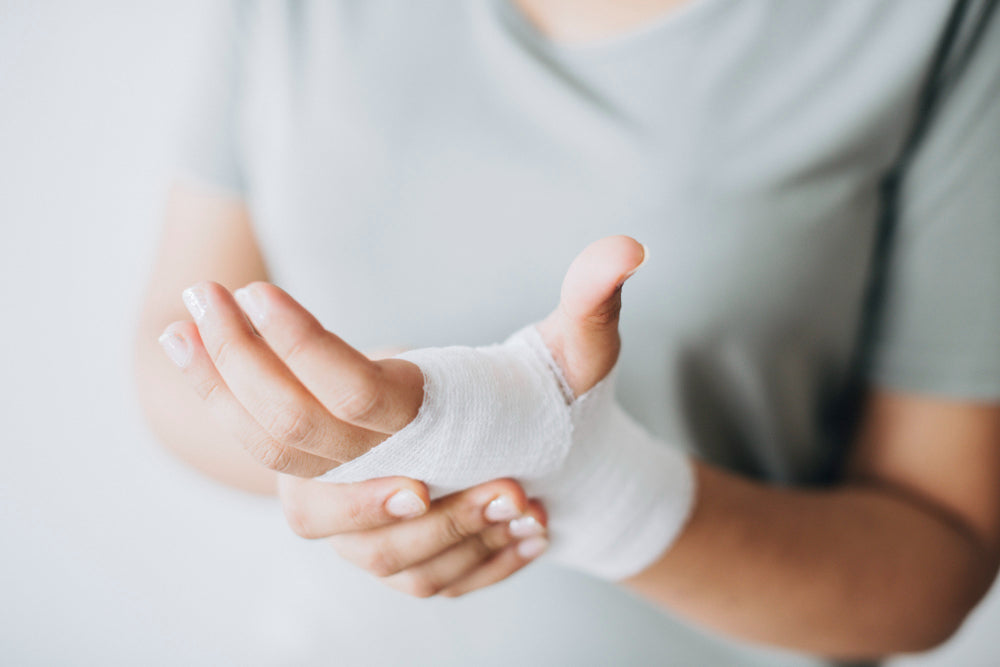
Wound healing is a biological process that involves the repair of damaged tissue.
Wound healing is a biological process that involves the repair of damaged tissue. Although it may seem straightforward in theory, it is in reality a complex mechanism requiring appropriate conditions for it to proceed correctly. Unfortunately, with age the wound healing process can take longer. Why does this happen?
In this article you will learn about:
- healing time depending on the type of wound,
- other factors affecting healing time,
- the role of nutrition and supplementation,
- a tested method for faster recovery.
How Long Does Wound Healing Take?
The wound healing process depends on many factors, such as the type of wound, its location, general health, age, and the quality of care. The time needed for a wound to heal completely can vary considerably. Here are the general timeframes:
- Minor cuts and shallow incised wounds: This type of wound, which is relatively small and superficial, usually heals within 7–10 days. Such wounds heal quickly because they do not require deeper tissue regeneration and the body quickly "fills in" the damage.
- Deeper wounds or post-surgical wounds: Wounds that are deeper require a longer regeneration process. Such wounds usually need several weeks to around 8 weeks to heal, but depending on their extent may require even several months.
- Complete tissue remodeling (scars): Even after a wound has healed in the physical sense, the process of full tissue remodeling can take longer. The complete strengthening of newly formed tissue (scars) takes from several months to 2 years. During this time the scar becomes increasingly elastic and less visible, although it never achieves the full functionality of healthy skin.
The Most Important Factors Affecting Wound Healing Time
Wound healing is not a process that occurs in isolation – healing time is influenced by many factors that can speed up or slow down recovery. Understanding these factors is key to being able to support the body in the recovery process.
Type of wound
The type of wound has a major bearing on the speed of its healing. Small, clean incised wounds heal most quickly, as they are less complex to repair. Lacerated or crush wounds, on the other hand, are more complex, as tissue damage is greater and the healing process more involved. Infected and chronic wounds (e.g. ulcers) require significantly longer healing times, as the body must contend with additional difficulties such as infections that delay the regeneration process.
Wound care
Good wound care is key to accelerating the healing process. Regular wound disinfection and changing of dressings are the basic activities that help avoid infections and speed up recovery. A moist wound environment promotes healing, as it enables better cell regeneration and faster formation of new tissue. Using appropriate antiseptics and healing ointments can also accelerate the recovery process, especially in the case of deeper wounds.
Size and location of the wound
The size of the wound also matters. Larger wounds require more time to recover. Additionally, the location of the wound in the body affects healing time. Wounds located in areas subject to constant movement (e.g. near joints) may require a longer time to heal, as daily movement can slow down the healing process or even cause the wound to reopen.
How Do Proper Nutrition and Supplementation Support Wound Healing?
An appropriate diet and supplementation are of great importance for the proper course of wound healing. The body needs the right "building blocks" to rebuild damaged tissues. Nutritional deficiencies can significantly slow down the healing process and lead to the formation of unsightly scars.
Basic nutrients for regeneration
The table below presents the basic nutrients supporting tissue regeneration in a clear format.
| Nutrient | Role in the wound healing and regeneration process |
|---|---|
| Protein | The primary building block of tissues (skin, muscles, collagen). Deficiency delays the healing process. |
| Vitamin C | Essential for collagen synthesis, acts as a powerful antioxidant, supports immunity. |
| Vitamin A | Important in cell differentiation and immune processes, key for skin integrity. |
| Zinc | Essential for cell division, protein synthesis, and proper immune system functioning. Helps in wound healing. |
| B vitamins | Support energy metabolism and cell regeneration. |
| Antioxidants (e.g. vitamin E, selenium) | Protect cells from oxidative stress, which is particularly important in the inflammatory phase. |
NL-GHK-Cu – Faster Healing, Smaller Scars, Better Recovery
NL-GHK-Cu is an innovative supplement that accelerates tissue regeneration and supports the healing process after injuries, procedures, or other skin damage. Thanks to the unique combination of GHK – a natural tripeptide, with copper ions – our product activates the body's natural repair mechanisms, accelerating the regeneration of skin and other tissues.
Thanks to its properties of reducing scars and inflammation, GHK-Cu peptide works comprehensively, supporting the production of collagen and elastin – two essential proteins necessary for tissue rebuilding. These processes are particularly important in wound treatment and improving the appearance of the skin, but also in the regeneration of hair and other tissues, making it a versatile supplement with wide-ranging effects.

NL-GHK-Cu is a tested product that can provide important support in the wound healing and recovery process, particularly in combination with an appropriate diet. If faster wound healing, scar reduction, and improved skin condition are important to you, it is worth incorporating our supplement into your daily supplementation routine. With it, you will support the body's natural repair mechanisms, accelerating regeneration and shortening healing time.
Summary
With age, the wound healing process can be significantly slower due to a decrease in the body's regenerative capacity. Proper wound care, a healthy diet, regular physical activity, and appropriate supplementation are of key importance in accelerating this process. It is worth remembering that every wound requires an individual approach, and deeper, more complex wounds may require specialist medical care.
FAQ – Frequently Asked Questions About Wound and Scar Healing
1. How long does wound healing take?
Wound healing time depends on the type and depth of the wound. Minor incised wounds usually heal within 7–10 days, while deeper or post-surgical wounds may require from several weeks to around 8 weeks. The process of tissue remodeling and scar formation can take up to 2 years before the wound achieves full strength. It is worth remembering that healing time may be extended depending on health status, wound care, and its location.
2. What speeds up wound healing?
Many factors influence the healing process. Proper wound care, including regular disinfection, changing dressings and maintaining a moist environment in the wound, accelerates recovery. A diet rich in vitamins, minerals, and proteins, along with appropriate supplementation (e.g. whey protein, vitamin C, zinc), also supports rapid healing. Furthermore, an active lifestyle and avoiding stress have a positive effect on the entire regeneration process.
3. Does age affect wound healing time?
Yes, age has a significant influence on healing time. As we age, our body loses some of its regenerative capacity, which means the wound healing process can take longer. In older people, slowed production of collagen and elastin (proteins responsible for skin regeneration) can extend healing time. Additionally, chronic diseases, circulatory disorders, and reduced immunity also affect the pace of recovery.
4. Can supplements such as NL-GHK-Cu help with wound healing?
Yes, NL-GHK-Cu is an innovative supplement that supports the wound healing process. Thanks to the combination of GHK and copper ions, our supplement supports the production of collagen and elastin, which are key in tissue regeneration. GHK also acts to reduce scars and inflammation, which accelerates the entire healing process. Incorporating NL-GHK-Cu into daily supplementation can significantly support the regeneration of skin, hair, and other tissues after injuries or procedures.
5. When is it worth using wound-healing supplements?
Wound-healing supplements such as NL-GHK-Cu are worth incorporating into the recovery process, particularly after operations, injuries, or trauma that require long-term recovery. Supplementation can help accelerate the process of tissue rebuilding and reduce the visibility of scars. If the wound is deep or long-lasting, it is also worth consulting a doctor to choose the appropriate supplementation and treatment method.
6. Do supplements support wound healing in older people?
Yes, supplements (such as NL-GHK-Cu) can be particularly helpful for older people, in whom the healing process naturally takes longer. Thanks to the unique formula with GHK and copper ions, this supplement supports the regeneration of skin, hair, and other tissues, and also stimulates the production of collagen and elastin. Supplementation can help accelerate healing and reduce the risk of scar formation, which is particularly important for older people whose recovery is slowed.


NL-Epithalon in the supportive therapy of obesity treatment
Biological processes behind hair loss