 English


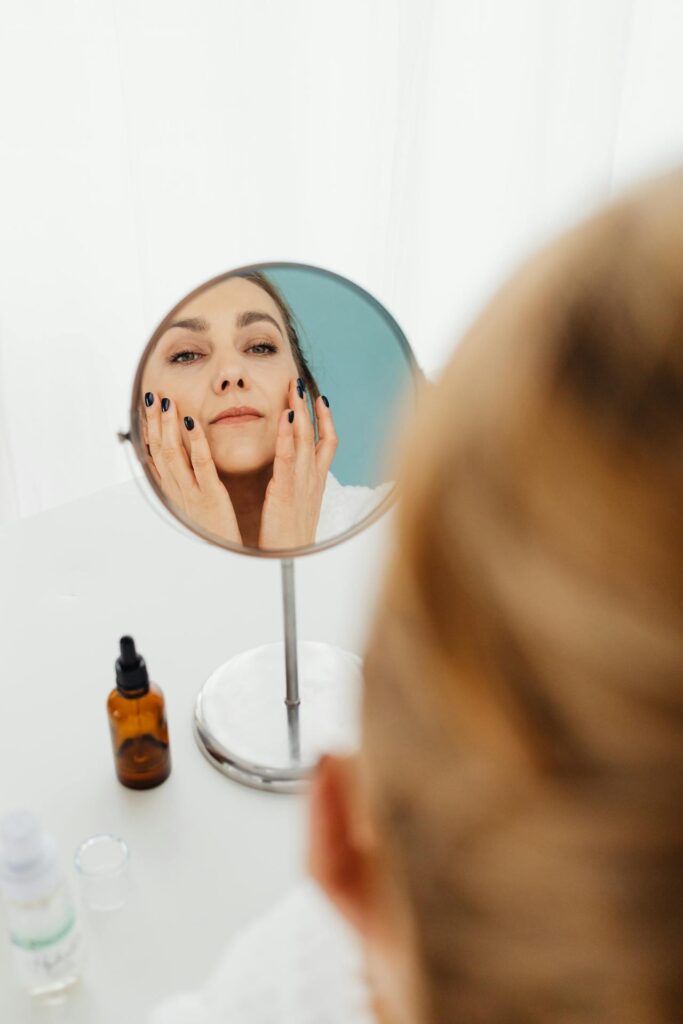
Collagen is one of the key structural proteins responsible for the strength, elasticity, and overall appearance of the skin. As we age, natural collagen production gradually declines, which can contribute to changes such as reduced firmness, dryness, and the appearance of fine lines.
Peptides have attracted increasing attention in skincare and scientific research because some of them may interact with biological processes associated with collagen production, skin repair, and extracellular matrix maintenance.
However, not all peptides work in the same way, and the strength of scientific evidence varies considerably depending on the specific peptide, formulation, and method of use.
What are peptides and why are they studied in skincare?
Peptides are short chains of amino acids, which are the building blocks of proteins such as collagen and elastin.
Certain peptides have been studied for their potential role as signalling molecules within the skin. Depending on their structure, they may interact with processes involving fibroblasts, collagen synthesis, extracellular matrix components, and tissue repair.
Some peptide-based ingredients are already widely used in cosmetic formulations, although their ability to penetrate the skin and produce measurable effects can depend strongly on the formulation and delivery method.
Research into topical peptides continues to explore their potential role in supporting:
- collagen-related processes,
- skin elasticity,
- hydration,
- extracellular matrix maintenance,
- and the appearance of fine lines.
How are peptides connected with collagen production?
Fibroblasts are cells responsible for producing several important components of the skin's extracellular matrix, including collagen, elastin, and glycosaminoglycans.
Certain peptides have been investigated for their ability to influence fibroblast activity or act as biological signalling molecules.
Laboratory and clinical research suggests that selected peptide-based formulations may support processes associated with collagen production and skin structure. However, these effects should not automatically be attributed to every peptide or every supplement containing peptides.
GHK-Cu and collagen research
GHK-Cu is a copper-binding tripeptide that has been widely studied in relation to skin biology and tissue regeneration.
Research has suggested that GHK-Cu may influence several biological processes associated with extracellular matrix production, including collagen and glycosaminoglycan synthesis.
It has also been investigated for its potential antioxidant, regenerative, and skin-supporting properties.
Most importantly, available research suggests biological potential, but clinical evidence remains more limited than laboratory and preclinical research. Therefore, claims about visible anti-aging effects should be interpreted cautiously. PubMed
What about NL-GHK-CU?
NL-GHK-CU is part of Synthagen's peptide research portfolio.
Because peptide structure, formulation, stability, and delivery can influence biological behaviour, individual formulations should be evaluated separately rather than assuming that findings for one peptide preparation apply directly to another.
For this reason, information about NL-GHK-CU should be understood primarily in the context of peptide research rather than as a guaranteed cosmetic or therapeutic outcome.
What is known about EPITHALON?
EPITHALON is another peptide that has attracted research interest, particularly in studies examining cellular ageing and biological regulatory mechanisms.
However, statements that EPITHALON directly slows skin ageing, restores collagen, or improves skin firmness in humans would currently go beyond the available clinical evidence.
It is therefore more appropriate to describe EPITHALON as an experimental peptide being investigated in ageing-related research.
BPC-157 and skin regeneration research
BPC-157 has mainly been studied in experimental models related to tissue repair and healing.
Some preclinical studies have investigated processes such as fibroblast activity, angiogenesis, collagen organization, and tissue regeneration.
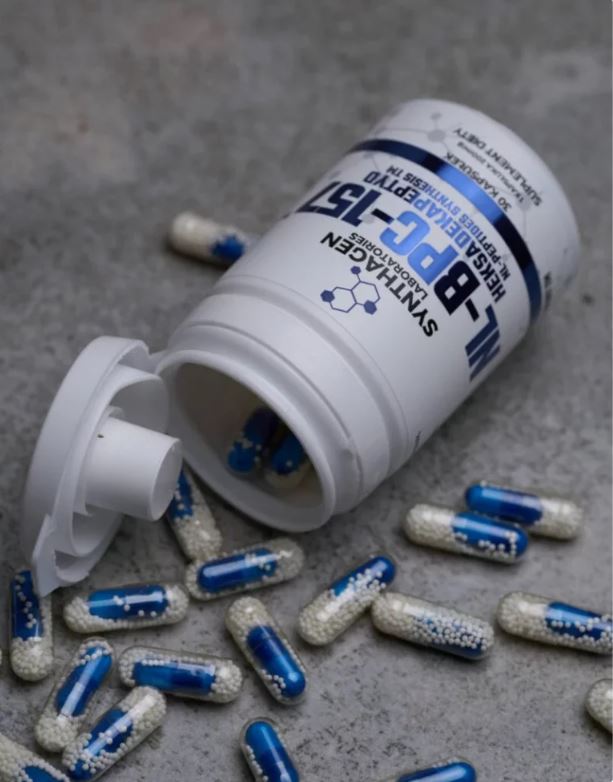
However, human clinical evidence remains limited, and BPC-157 should not be presented as a clinically proven treatment for skin ageing, wrinkles, or collagen loss.
Research into these mechanisms remains ongoing.
Can peptides improve skin firmness?
Skin firmness is influenced by multiple structural and biological factors, including:
- collagen levels,
- elastin,
- hydration,
- extracellular matrix integrity,
- UV exposure,
- lifestyle,
- age,
- and genetics.
Certain peptide formulations may support skin appearance or extracellular matrix processes, but effects can vary depending on the peptide and delivery system.
A recent systematic review of randomized studies found that peptide-based interventions may improve some aspects of skin ageing, particularly hydration and certain wrinkle-related outcomes, although results for elasticity and skin density were less consistent. PubMed
For this reason, peptides are best viewed as one area of skincare research rather than a universal solution for maintaining youthful skin.
Factors that support collagen and skin firmness
Peptide research is only one part of maintaining healthy-looking skin.
Other well-established factors include:
- regular UV protection,
- adequate hydration,
- balanced nutrition,
- sufficient protein intake,
- avoiding smoking,
- regular physical activity,
- and consistent skincare.
Sun protection is especially important because chronic UV exposure contributes significantly to collagen degradation and visible skin ageing.
FAQ
Are peptides useful in skincare?
Certain peptides have shown promising results in cosmetic and dermatological research, particularly in relation to hydration, collagen-related processes, and skin appearance. Their effectiveness varies depending on the specific peptide and formulation.
Can different peptides be combined?
Different peptides can appear together in formulations, but their combined effects depend on concentration, stability, delivery system, and compatibility. It should not be assumed that combining peptides automatically produces stronger results.
Which peptide has been most studied for collagen support?
GHK and GHK-Cu are among the better-known peptides investigated in relation to collagen synthesis and skin regeneration. However, more high-quality clinical studies are still needed. PubMed
Can peptides reverse skin ageing?
No peptide can currently be considered a proven method for reversing the ageing process. Certain peptide-based formulations may support specific aspects of skin appearance, but ageing is a complex biological process influenced by many factors.
Conclusion
Peptides are an interesting and rapidly developing area of skincare and biological research.
Certain peptides, particularly GHK-related compounds, have demonstrated potential effects on collagen-related processes and extracellular matrix biology. However, the available evidence differs considerably between individual peptides, and many findings remain based on laboratory or preclinical studies.
For this reason, peptides should be discussed in the context of ongoing scientific research rather than as guaranteed anti-aging or skin-rejuvenation treatments.
As research develops, larger and better-controlled clinical studies should provide a clearer understanding of how individual peptides may influence collagen production, skin structure, and visible signs of ageing.


The Effect of Peptides on Blood Sugar Levels – What Does the Research Say?
Joint supplementation – what ingredients should you choose to protect your joints?