 English


Therapy with the NL-Epithalon peptide helps both to combat obesity in individuals struggling with this condition and to prevent its development, including by preventing the progression of overweight that precedes obesity. Moreover, NL-Epithalon therapy helps prevent adverse health consequences associated with obesity.
Abstract: Overweight and obesity are among the most serious health problems of the modern world, mainly because they are associated with the development of severe systemic diseases such as type 2 diabetes, hypertension, and cancer. Innovative therapy with NL-Epithalon may help eliminate obesity or prevent its development.
Keywords: NL-Epithalon; obesity; overweight; pathogenesis of obesity; types of obesity; android obesity; gynoid obesity; consequences of obesity; cancer; arterial hypertension; gastric reflux; fertility and pregnancy; peptide therapy
Introduction
Overweight and obesity have multifactorial causes, including increased consumption of processed foods, which are typically rich in hydrogenated fats and simple carbohydrates and low in complex carbohydrates. Mitochondrial mechanisms directly involved in cellular energy production are increasingly recognized as playing a role in controlling energy balance. Emotional factors also play an important role in the development of overweight and obesity. Studies have shown that depression, anxiety, and life stress increase the likelihood of weight gain and the development of overweight and obesity through numerous, not yet fully understood mechanisms. Research suggests the potential use of NL-Epithalon in controlling overweight and obesity. In summary, findings indicate that NL-Epithalon is a promising new peptide candidate for the control and prevention of overweight and obesity.
Obesity
Obesity is characterized by abnormal and excessive accumulation of adipose tissue. It is largely the result of excessive energy intake (positive caloric balance) and a sedentary lifestyle maintained over a period of time. It may be secondary to other diseases (e.g., Cushing’s syndrome) or a side effect of certain medications (e.g., anticonvulsants). Obesity results from multiple factors—genetic, behavioral, environmental, and social. Studies show that many individuals who struggle with overweight at an earlier stage later become obese. Obesity is defined as a condition in which adipose tissue accounts for more than 25% of total body mass in men and 30% in women.
Pathogenesis of Obesity
The cause of obesity is complex and multifactorial. It develops as a result of chronic disruption of energy balance and is maintained by excessive energy intake sufficient to meet the increased energy demands associated with obesity. Regulation of energy balance and fat storage is influenced by complex interactions between biological (including genetic and epigenetic), behavioral, social, and environmental factors (including chronic stress). High-energy diets, large portion sizes, low physical activity, sedentary lifestyle, and eating disorders are major risk factors for obesity. These factors lead to changes in adipose tissue such as hypertrophy and hyperplasia of adipocytes, inflammatory changes, and altered secretion (e.g., adipocytokines).
Types of Obesity
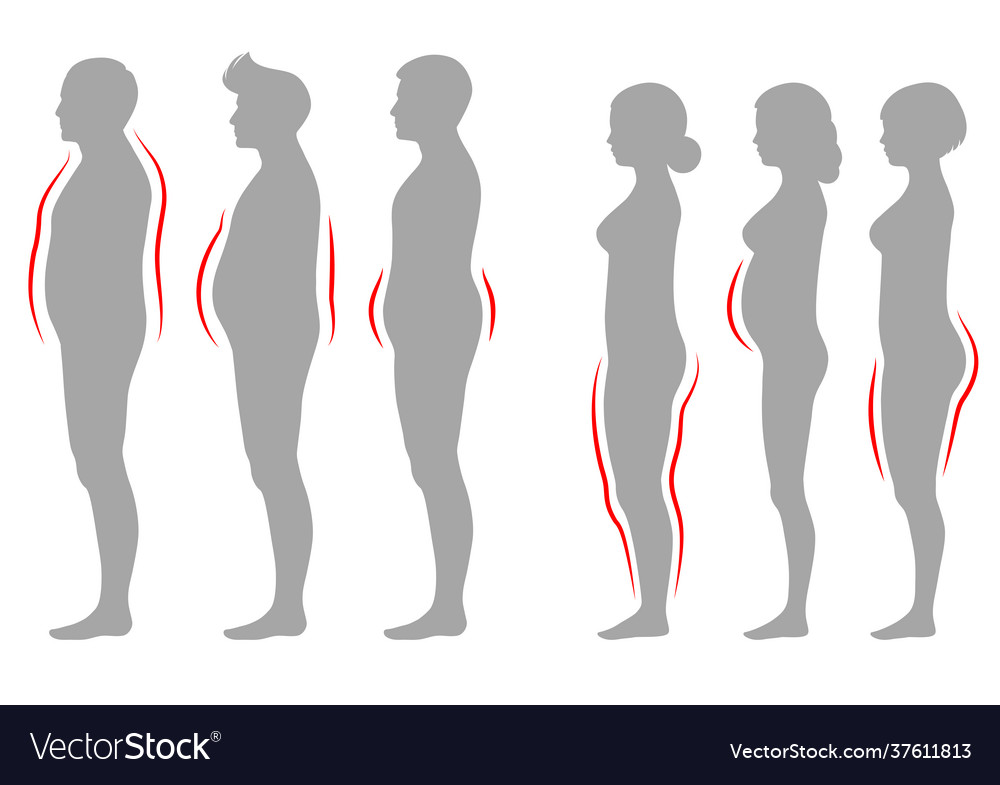
- Upper-body (android) obesity
Directly associated with excessive food intake and low physical activity. “Apple-shaped” obesity is located around the abdomen and is associated with a higher risk of comorbidities such as hypertension, diabetes, and coronary heart disease. It is more common in men, although postmenopausal women are also at risk.
- Abdominal fat accumulation (android type)
This type of obesity is most likely associated with excessive stress, depression, and nervous tension.
- Thigh and hip (gynoid) obesity
Gynoid obesity is characterized by excess adipose tissue in the hip, thigh, and buttock areas. Also known as “pear-shaped” obesity, it occurs more frequently in women.
- Fat accumulation in the anterior trunk, concentrated in the abdomen (android type)
It produces the appearance of a protruding abdomen, often referred to as a “beer belly.” It is mainly seen in individuals consuming large amounts of alcohol but may also result from respiratory system disorders.
- Lower-body obesity, including the lower legs (gynoid type)
This condition is often observed in pregnant and postpartum women; in such cases, the legs may appear swollen and heavy.
- Abdominal fat (large and protruding) combined with upper back fat (android obesity)
Similar to the first type, this condition is associated with low physical activity. Attention should also be paid to blood glucose levels.

Consequences of Obesity
| Consequence of Obesity | Characteristics |
| Arterial Hypertension | Overweight and obesity are among the main modifiable risk factors for this condition. Weight reduction correlates with a decrease in blood pressure and is therefore a primary approach not only in the treatment but also in the prevention of hypertension. |
| Cancer | Obesity is associated with an increased risk of many cancers, including kidney, colon, bile duct, and pancreatic cancers. It is linked to chronic inflammation leading to DNA damage, which increases cancer risk. Adipose tissue, recognized as an endocrine organ, produces large amounts of estrogen; elevated levels of this hormone may be associated with increased risk of breast, endometrial, and ovarian cancers. |
| Gastric Reflux | Gastroesophageal reflux disease develops due to changes in the esophagus and stomach. Impaired esophageal motility, reduced lower esophageal sphincter pressure and prolonged relaxation, hiatal hernia, increased intra-gastric pressure, delayed gastric emptying, and impaired esophageal clearance contribute to reflux disease in obese individuals. |
| Fertility and Pregnancy | Obesity can significantly affect reproductive capacity, especially in women. It is a known factor in female infertility, leading to menstrual disorders, ovulation disturbances, difficulty conceiving, and increased risk of miscarriage. Obese women are at higher risk of pregnancy complications and may experience difficulty conceiving naturally or through in vitro fertilization. |
NL-Epithalon for Obesity
The NL-Epithalon peptide, through its mechanism of action, helps regulate food intake and improve fat metabolism. It may reduce intestinal fat absorption by inhibiting pancreatic lipases. Due to its ability to bind large amounts of lipids, it is not digested and is excreted from the body together with bound fats. By reducing the amount of fat absorbed from food, it lowers the number of calories delivered to the body. Additionally, the peptide may reduce dietary cholesterol absorption. Through these mechanisms, it supports body weight reduction and control. For optimal results, NL-Epithalon should be combined with physical activity and a healthy diet. In cases of obesity, it should be used systematically and in recommended doses.
Bibliography
1. Gewehr MCF, Silverio R, Rosa-Neto JC, Lira FS, Reckziegel P, Ferro ES. Peptides from Natural or Rationally Designed Sources Can Be Used in Overweight, Obesity, and Type 2 Diabetes Therapies. Molecules. 2020;25(5):1093. Published 2020 Feb 29. doi:10.3390/molecules25051093
2. Olszanecka M, Godycki M, Lukas W. Principles of management of overweight and obesity in family practice. Guidelines of the College of Family Physicians in Poland, the Polish Society of Family Medicine and the Polish Society for the Study of Obesity. Lekarz Rodzinny – Special Issue 2017.



NL-Epithalon as a peptide that improves and maintains the functioning of the circulatory system
Biological processes behind hair loss