 English


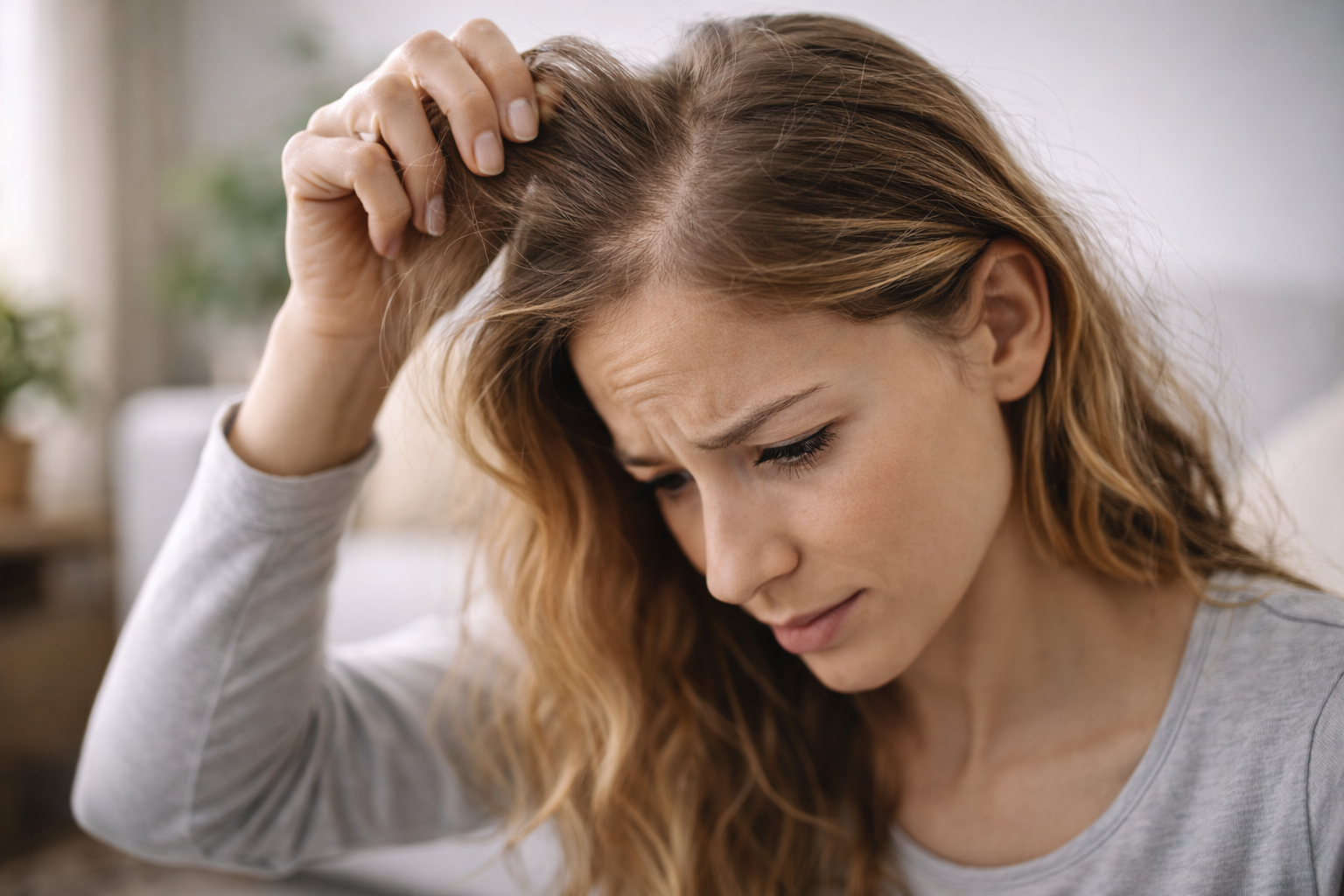
Hair loss despite normal test results is more common than many people realize. Standard blood tests do not always capture every factor that may influence the hair growth cycle.
Hair thinning can be linked to genetics, hormonal changes, stress, nutrition, scalp conditions, medications, or a combination of several factors.
In some cases, additional tests such as ferritin, vitamin D, zinc, thyroid markers, or hormone levels may provide more information.
Why Can Hair Fall Out Even When Tests Look Normal?
Standard blood tests such as a complete blood count, TSH, or general iron levels provide useful information, but they do not always give a complete picture of hair health.
Hair follicles are highly sensitive to changes in nutrition, hormones, stress, and general health. As a result, hair shedding may sometimes occur even when routine test results remain within laboratory reference ranges.
This is also why hair loss often has more than one contributing factor rather than a single clear cause.
What Can Cause Hair Loss?
Hair loss is a complex issue, and several factors can influence the normal hair growth cycle.
Genetic Predisposition
One of the most common causes is androgenetic alopecia, which can affect both men and women.
It is associated with genetic sensitivity of hair follicles to androgens such as dihydrotestosterone (DHT), which may gradually contribute to follicle miniaturization and thinner hair.
Hormonal Changes
Hormonal fluctuations can influence the hair growth cycle.
Common examples include:
- thyroid disorders
- polycystic ovary syndrome (PCOS)
- postpartum hormonal changes
- changes following discontinuation of hormonal contraception
If hormonal factors are suspected, additional medical evaluation may be helpful.
Stress and Telogen Effluvium
Physical or emotional stress may contribute to telogen effluvium, a temporary form of diffuse hair shedding.
One important characteristic of telogen effluvium is that hair shedding may begin several weeks or months after the triggering event.
This delay can make the connection between stress and hair loss difficult to recognize.
Nutritional Factors
Nutritional status can also influence hair growth and hair strength.
Some nutrients commonly considered when investigating hair loss include:
- Ferritin and iron
- Zinc
- Vitamin D
- Vitamin B12
- Biotin
- Protein
Sudden weight loss or highly restrictive diets may also disrupt the normal hair growth cycle.
However, supplementation should ideally be based on an identified need rather than used automatically.
Scalp Health
Healthy hair growth also depends on the condition of the scalp.
Conditions such as:
- seborrheic dermatitis
- psoriasis
- fungal infections
- persistent dandruff
- scalp inflammation
may interfere with the environment surrounding the hair follicles.
Persistent scalp symptoms should be assessed by a dermatologist.
External Factors and Styling
Hair may also become weaker or break more easily because of repeated mechanical or chemical stress.
Common examples include:
- frequent bleaching or coloring
- excessive heat styling
- tight ponytails or braids
- repeated chemical treatments
Reducing unnecessary stress on the hair shaft and scalp can therefore be an important part of maintaining healthy hair.
Medications and Health Conditions
Certain medications and medical conditions can also influence the hair growth cycle.
Examples include some:
- cancer treatments
- blood pressure medications
- antidepressants
- hormonal treatments
Hair shedding may also occur after infections or periods of significant physical stress.
If hair loss begins after starting a medication, it is important not to stop the treatment without consulting a healthcare professional.
How Can You Support Thinning Hair?
Supporting healthy hair usually requires a broader approach rather than focusing on a single supplement or ingredient.
Balanced Nutrition
Hair is largely composed of keratin, so adequate protein intake is important.
A balanced diet may include sources of:
- protein
- iron
- zinc
- omega-3 fatty acids
- vitamins and antioxidants
Examples include eggs, fish, poultry, legumes, nuts, seeds, vegetables, and whole grains.
Hydration
Adequate hydration supports normal skin and scalp function.
Instead of following a fixed water target for everyone, fluid intake should depend on factors such as body size, activity level, climate, and overall health.
Stress Management
Because chronic stress can influence the hair cycle, supporting sleep, recovery, physical activity, and stress management may also help maintain overall hair health.
Peptides and Hair Research
Peptides are increasingly studied in areas related to skin, scalp, tissue biology, and cellular signaling.
One peptide of research interest is GHK-Cu, a naturally occurring copper-binding peptide.
Research has explored GHK-Cu mainly in relation to skin biology, collagen, tissue remodeling, and regenerative processes.
Its possible relationship with hair follicles and scalp biology has also attracted scientific interest.
However, existing research should not be interpreted as proof that peptide supplementation can treat or reverse all forms of hair loss.
Results may depend on the cause of hair loss, the form of the peptide, and the method of administration.
NL-GHK-CU™
Synthagen Labs offers NL-GHK-CU™, developed using NL-PEPTIDES™ technology.
The product is positioned within the broader area of peptide-based research and supplementation related to skin, hair, and tissue biology.
As with other supplements, it should be considered supportive rather than a substitute for proper diagnosis or established medical treatment.
When Is Further Diagnosis Worth Considering?
If hair loss continues despite apparently normal routine tests, a healthcare professional may consider additional evaluation depending on the individual situation.
This may include:
- ferritin
- vitamin D
- zinc
- thyroid markers
- androgen levels
- other tests based on symptoms and medical history
The correct diagnostic approach varies from person to person.
Summary
Hair loss can occur even when routine test results appear normal.
Possible contributing factors include genetics, hormonal changes, nutritional status, stress, scalp conditions, medications, and lifestyle factors.
Because hair loss is often multifactorial, the most effective approach usually begins with identifying the underlying cause rather than relying on a single treatment.
Balanced nutrition, appropriate scalp care, stress management, and professional evaluation can all play an important role in supporting healthy hair.
Research into peptides such as GHK-Cu continues, particularly in areas related to skin and tissue biology, but their role in human hair growth requires careful interpretation of the available evidence.
FAQ
Why is my hair falling out if my blood tests are normal?
Routine blood tests do not always include every parameter that may influence hair health. Depending on the individual case, additional tests such as ferritin, vitamin D, zinc, thyroid markers, or hormones may sometimes be considered.
Can stress cause hair loss?
Yes. Significant physical or emotional stress may contribute to telogen effluvium, which can cause diffuse hair shedding several weeks or months after the triggering event.
Can low ferritin affect hair?
Low iron stores may be associated with hair shedding in some individuals. Ferritin is commonly evaluated when investigating unexplained hair loss.
Can vitamin D deficiency contribute to hair loss?
Low vitamin D levels have been investigated in relation to several types of hair loss. However, hair shedding usually has multiple possible causes, so vitamin D should be considered as part of a broader evaluation.
How long does it take for hair to improve?
Hair grows slowly, so changes in hair density or shedding patterns usually take time to become noticeable. Improvement may take several months depending on the underlying cause.
Should I take supplements for hair loss?
Supplements may be useful when a specific deficiency or nutritional need exists. However, taking high-dose supplements without identifying the cause of hair loss is generally not the best approach.
When should I see a dermatologist?
Medical evaluation is recommended when hair loss is sudden, severe, patchy, persistent, associated with scalp symptoms, or accompanied by other unexplained health changes.
Current article mein existing FAQ structure already useful hai, so maine usko retain karke claims ko clean kiya hai rather than deleting it.



Peptide Safety: Facts, Myths and What You Should Know
Antibiotics, Stress and Treatments: What Happens to the Digestive System?