 English


Blog
How Do Peptides Affect Collagen Production and Skin Firmness?
Collagen is one of the key structural proteins responsible for the strength, elasticity, and overall appearance of the skin. As we age, natural collagen production gradually declines, which can contribute to changes such as reduced firmness, dryness, and the appearance...
Peptides and Eye Health: What Does the Research Say About Vision?
Eye health is influenced by many factors, including age, genetics, nutrition, lifestyle, oxidative stress, circulation and underlying medical conditions. In recent years, peptides have attracted scientific interest because of their involvement in cellular signalling, tissue biology and neurological processes. Some...
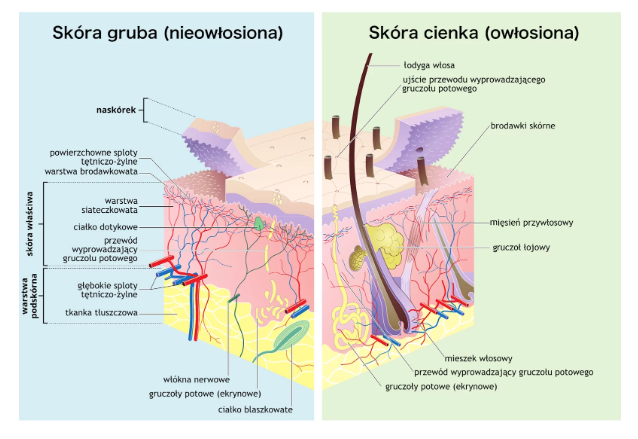
NL-GHK-Cu and Keratinized Skin: What Does the Research Suggest?
The skin is a highly dynamic organ that continuously renews itself through complex processes involving keratinocytes, epidermal differentiation and cellular regeneration. GHK-Cu, a naturally occurring copper-binding peptide, has attracted scientific interest because of its potential role in skin regeneration and...
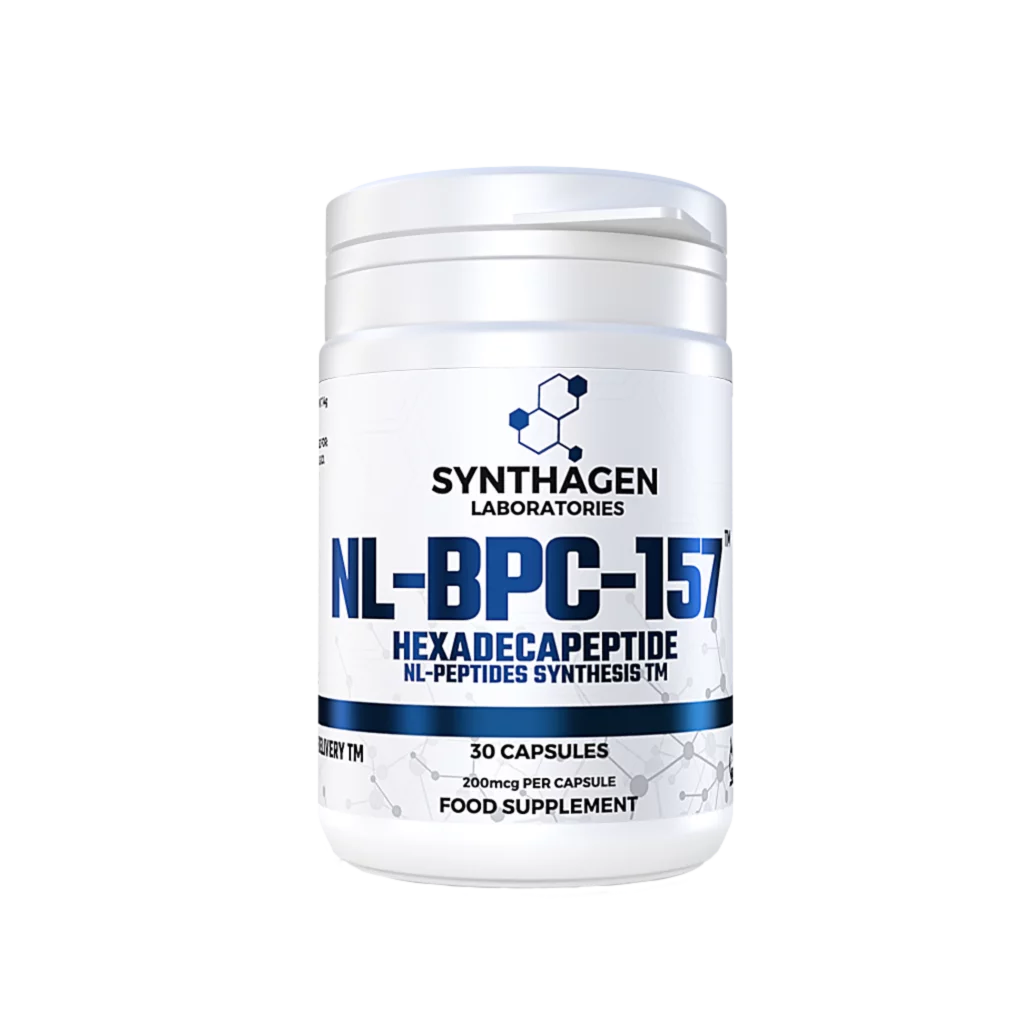
BPC-157 Peptide: Research, Mechanisms and Current Evidence
BPC-157 is a synthetic peptide that has attracted considerable interest in experimental research, particularly in studies examining tissue repair, gastrointestinal biology, inflammatory processes and musculoskeletal recovery. Although research conducted in laboratory and animal models has produced interesting findings, it is...
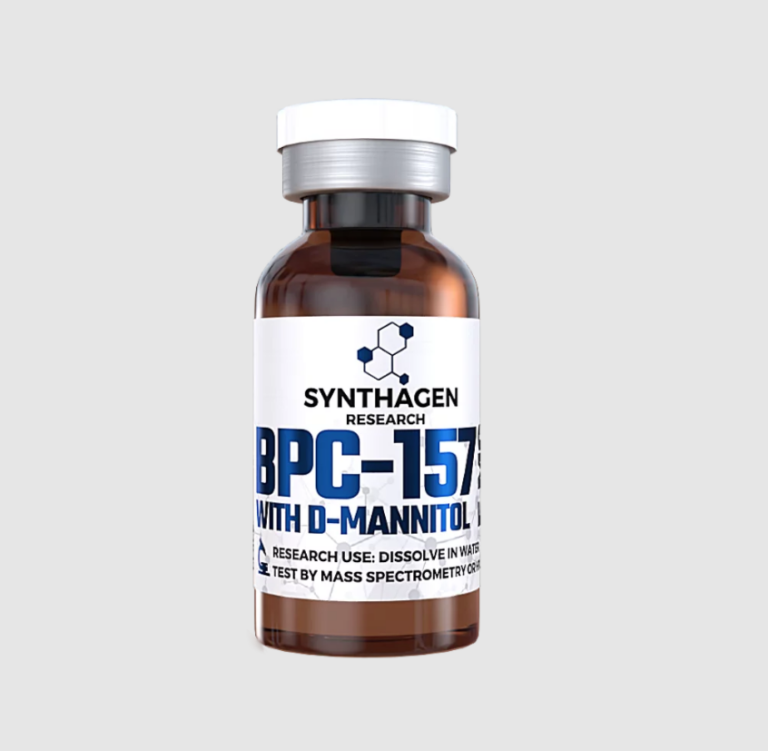
Peptides and Personalization: What to Consider When Exploring Peptide Research
Peptides have attracted growing interest in scientific research because of their involvement in many biological processes. Different peptides are studied in relation to areas such as tissue biology, skin structure, cellular signalling, immune pathways and metabolism. However, peptide research varies...

BPC-157 and the Urinary Tract: What Does the Research Show?
BPC-157 is a synthetic peptide that has attracted research interest because of its potential involvement in tissue repair, vascular responses and other biological processes. Some experimental studies have investigated BPC-157 in relation to the urinary and reproductive systems, including models...
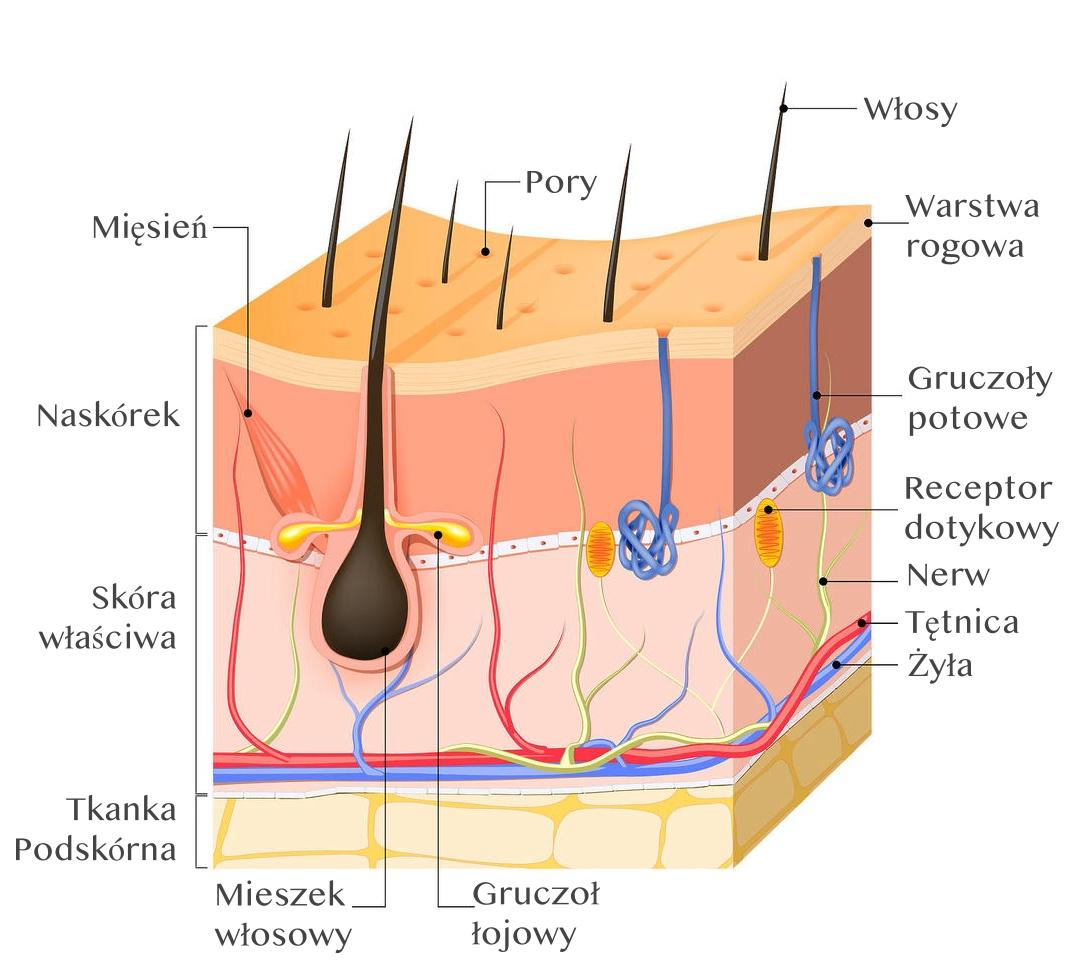
The role of the NL GHK-Cu peptide in the processes of skin and hair reconstruction and regeneration
Anti-wrinkle, anti-aging, protective and regenerative effect for the skin. Peptide therapy for hair loss and weakening. Summary: NLGHK-Cu as a tripeptide with the amino acid sequence glycyl-histidyl-lysine is a naturally occurring tripeptide in human plasma. It is considered a strong...
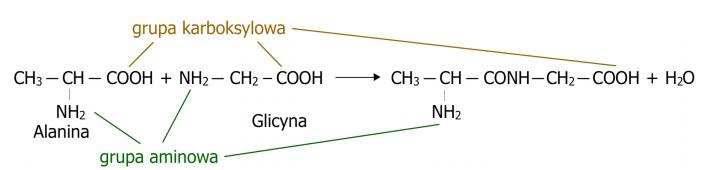
Peptide Characterization. Peptide Synthesis and Modifications
Keywords: peptide; peptide hydrolysis; peptide bonds; peptide modifications; peptide synthesis; … Keywords: peptide; peptide hydrolysis; peptide bonds; peptide modifications; peptide synthesis; peptide bond; peptide hormones; peptide analogues; salting out; amidation; acetylation Peptides Peptides are chemical compounds built similarly to proteins,...
Peptide dosing depending on body mass Dosing of NL-Peptides depends on body mass, as the distribution of their concentration in the body differs between individuals weighing up to 100 kg and those weighing over 100 kg. Weight-dependent dosing is related,...