 English



Peptides, Strength, Endurance and Muscle Recovery: What Research Says
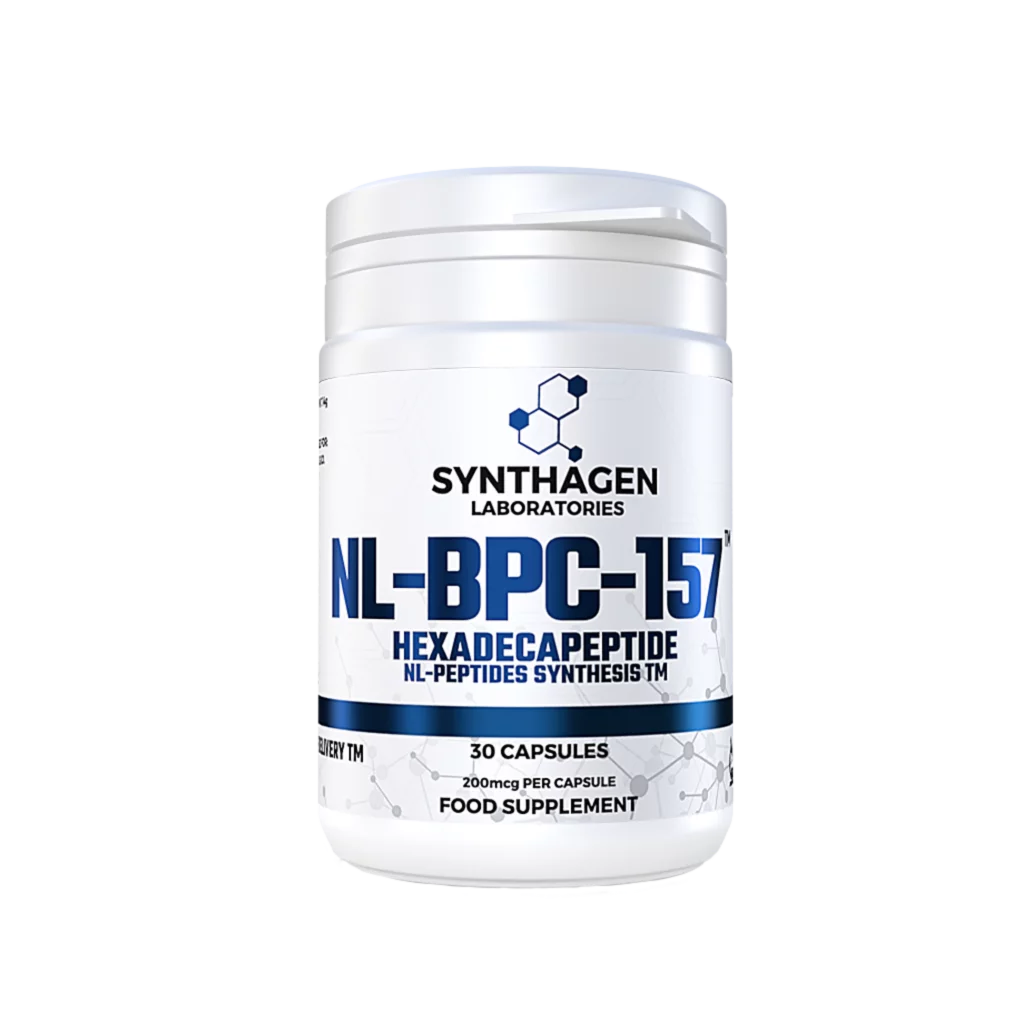
Peptides are short chains of amino acids that play important roles in many biological processes within the human body. Depending on their structure and function, naturally occurring peptides can participate in cellular communication, tissue maintenance and other physiological processes.
In recent years, peptides have also attracted increasing attention in sports and recovery research. Compounds such as BPC-157 and related peptide structures are frequently discussed in connection with muscle recovery, tissue repair and physical performance.
However, it is important to distinguish between early research findings and clinically established effects. Much of the available evidence surrounding compounds such as BPC-157 comes from laboratory and preclinical studies, while reliable human clinical data remain limited.
What Are Peptides and How Do They Affect the Body?
Peptides consist of short chains of amino acids, which are also the building blocks of proteins. Different peptides perform different biological functions, and their effects depend heavily on their individual structure.
In the context of physical activity and recovery research, certain peptides have been investigated for their potential involvement in processes associated with:
-
Tissue repair and regeneration
-
Cellular signalling
-
Muscle and connective-tissue recovery
-
Adaptation following physical stress
These areas have made peptides an interesting subject for researchers studying exercise, regeneration and musculoskeletal biology.
At the same time, research findings should not automatically be interpreted as proven performance benefits. Effects observed in laboratory or animal studies may not produce the same outcomes in humans.
BPC-157 and Recovery Research
BPC-157, commonly referred to as Body Protection Compound 157, is a synthetic pentadecapeptide consisting of 15 amino acids.
It has received considerable research attention because preclinical studies have investigated its potential influence on biological processes associated with tissue repair, blood-vessel formation and cellular recovery.
Research models have explored BPC-157 in relation to tissues including:
-
Muscles
-
Tendons
-
Ligaments
-
Connective tissue
-
Gastrointestinal tissue
These findings have contributed to growing scientific interest in BPC-157, particularly within regenerative and sports-related research.
However, the majority of available evidence remains preclinical. Human studies are currently limited, and considerably more research is required before definitive conclusions can be made regarding its effectiveness, safety or role in muscle and sports recovery.
BPC-157 in the Context of Physical Training
Intensive exercise places temporary stress on muscles and connective tissues. Recovery therefore plays an important role in maintaining training consistency and physical performance.
Because BPC-157 has been investigated in experimental models involving tissue-repair pathways, researchers continue to study whether these mechanisms may have wider relevance to exercise-related recovery.
Current evidence, however, does not establish BPC-157 as a proven method for increasing strength, endurance or muscle mass in humans.
Hexadecapeptide and NL-BPC-157 Research
Hexadecapeptides are peptide structures consisting of 16 amino acids. Modified peptide structures, including those researched alongside BPC-related compounds, are studied to understand how changes in amino-acid sequences may influence stability, biological activity and interaction with cellular pathways.
NL-BPC-157 is discussed within this broader area of peptide research.
Research into modified peptide structures may examine factors such as:
-
Molecular stability
-
Biological activity
-
Interaction with cells and tissues
-
Research applications
-
Differences between related peptide structures
While these characteristics are scientifically interesting, claims regarding superior absorption, longer-lasting effects or greater regenerative effectiveness require appropriate supporting evidence.
For this reason, NL-BPC-157 and similar compounds are best discussed within a research context rather than as established solutions for improving physical performance or accelerating recovery.
Peptides, Muscle Growth and Endurance
Strength, endurance and muscle development are complex processes influenced by many factors.
The most established factors include:
-
Progressive training
-
Adequate protein and calorie intake
-
Sleep quality
-
Rest and recovery
-
Training frequency
-
Genetics
-
Overall health
Peptide research may provide additional insights into the biological mechanisms involved in tissue repair and adaptation, but it should not replace these established foundations.
Researchers continue to investigate how specific peptide pathways may interact with processes associated with muscle tissue, inflammation, cellular signalling and recovery.
More controlled human studies are needed to determine whether findings from experimental models translate into meaningful effects on human strength, endurance or muscle development.
What Does Current Research Tell Us?
Peptide research is developing rapidly, particularly in areas related to regeneration, cellular signalling and tissue biology.
BPC-157 is one of the most widely discussed compounds in this field. Preclinical research has produced interesting findings relating to tissue-repair mechanisms, but human clinical evidence remains limited.
Similarly, modified peptide structures such as NL-BPC-157 continue to be subjects of research rather than established performance-enhancing or therapeutic solutions.
Understanding this distinction is important when evaluating scientific information about peptides.
Summary
Peptides are involved in numerous biological processes and remain an active area of scientific research.
BPC-157 and related peptide structures have received particular attention because of experimental research into tissue repair, regeneration and cellular signalling. These findings have generated interest within sports, recovery and musculoskeletal research.
However, current evidence does not conclusively demonstrate that BPC-157 or related research peptides increase strength, endurance or muscle mass in humans.
For now, they should be viewed primarily as subjects of ongoing scientific investigation rather than proven methods for improving athletic performance.
As peptide research develops and additional human studies become available, scientists will be able to better understand their potential applications, limitations and safety profiles.
Explore related products in our Regeneration & Recovery collection.
Read also
This article is for educational purposes only and does not replace medical advice. The studies described concern the substances, not finished products.
More in Training & Body



Not sure where to start?
3 quick questions. We’ll show you where to start and what it costs.