 English



Peptides are natural chains of amino acids that support biological processes in the body. In the world of sports, they are gaining popularity due to their regenerative properties and ability to enhance performance. Thanks to them, athletes can recover faster after training sessions and improve their results. In this article, we will discuss how peptides can help achieve better performance, minimize injuries, and accelerate recovery.
Table of Contents
- Muscle Recovery with Peptides: How Do They Affect Tissues After Training?
- How Do Peptides Increase Athletic Performance?
- Which Peptides Are Worth Using?
- Safety of Peptide Use – How to Avoid Risks?
- Summary: Peptides as Support for Athletes
Muscle Recovery with Peptides: How Do They Affect Tissues After Training?

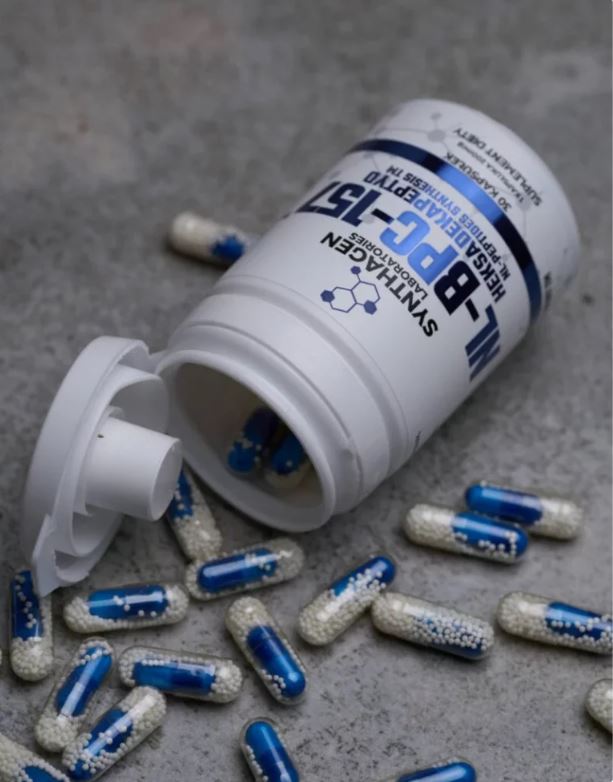
After intense training, muscles require recovery in order to develop and avoid damage. The peptide BPC-157 is known for its exceptional ability to accelerate tissue healing and improve muscle condition. It works by supporting the body’s repair processes, meaning that recovery after heavy exercise occurs faster, allowing athletes to return to activity more quickly.
Another important peptide is GHK-Cu, which demonstrates strong anti-inflammatory effects. Inflammation is a natural result of intense workouts; however, prolonged inflammation may lead to serious injuries. Regular use of GHK-Cu helps reduce inflammation and protects tissues from long-term damage. Athletes who use these peptides notice a lower risk of injuries and faster recovery.
Peptides also support collagen production, which plays a key role in rebuilding muscles and joints. Collagen is responsible for tissue elasticity and strength, and peptides support its synthesis. As a result, muscles, ligaments, and tendons become more resistant to overload, which is especially important for individuals involved in intense strength sports.
How Do Peptides Increase Athletic Performance?
Peptides also have enormous potential in improving training performance. Epitalon, one of the more advanced peptides, influences sleep regulation, which directly translates into more effective recovery. Epitalon helps increase melatonin production, improving sleep quality and allowing the body to recover better after physical exertion. Better sleep means faster recovery and readiness for new challenges.
Another beneficial peptide is Selank, which acts on the nervous system, increasing concentration and resistance to stress. A high level of focus during training or sports competitions is crucial for achieving better results. Selank helps athletes maintain mental endurance, which is just as important as physical strength, especially in situations requiring prolonged effort.

Peptides may also improve metabolism. Thanks to an optimized metabolism, an athlete’s body can utilize energy resources more effectively, resulting in higher performance. HGH (human growth hormone) increases energy production within cells, allowing athletes to achieve better results even in the most demanding disciplines.
Which Peptides Are Worth Using?
The choice of appropriate peptides depends on the athlete’s needs. Here are the most commonly used peptides:
- BPC-157: Accelerates tissue regeneration and supports injury healing.
- GHK-Cu: Has anti-inflammatory effects and improves the condition of the skin and tissues.
- Epitalon: Regulates sleep and improves recovery by increasing melatonin production.
- Selank: Enhances concentration and stress resistance, which is crucial in endurance sports.
Regular use of these peptides supports athletic performance and allows athletes to train more intensely while minimizing the risk of injuries and physical strain.
Safety of Peptide Use – How to Avoid Risks?
Despite their numerous benefits, the use of peptides requires a responsible approach. It is important to consult a doctor or specialist before starting supplementation. Peptide dosage should be adjusted to the individual needs of the athlete, as excessive amounts may lead to side effects such as hormonal imbalances or allergic reactions. Therefore, choosing the right peptides and trusted suppliers, such as Synthagen Laboratories, is crucial for safe use.
Another important aspect to consider is product quality. Peptides available in capsule form provide better bioavailability, meaning the body absorbs them more effectively. This allows athletes to fully utilize the potential of peptides without the risk of low effectiveness.
Summary: Peptides as Support for Athletes
In summary, peptides are excellent support for athletes who want to improve their performance and accelerate recovery. Proper use of peptides such as BPC-157, GHK-Cu, Epitalon, or Selank may accelerate healing, improve sleep quality, increase concentration, and enhance endurance. Regular use of these compounds helps achieve better results while minimizing the risk of injuries. However, to fully benefit from their potential, it is important to use them responsibly, tailor dosages individually, and ensure product quality.


The biological role of amino acids, proteins and peptides in the proper functioning and regeneration of the body
Peptides - how often can they be used?