 English


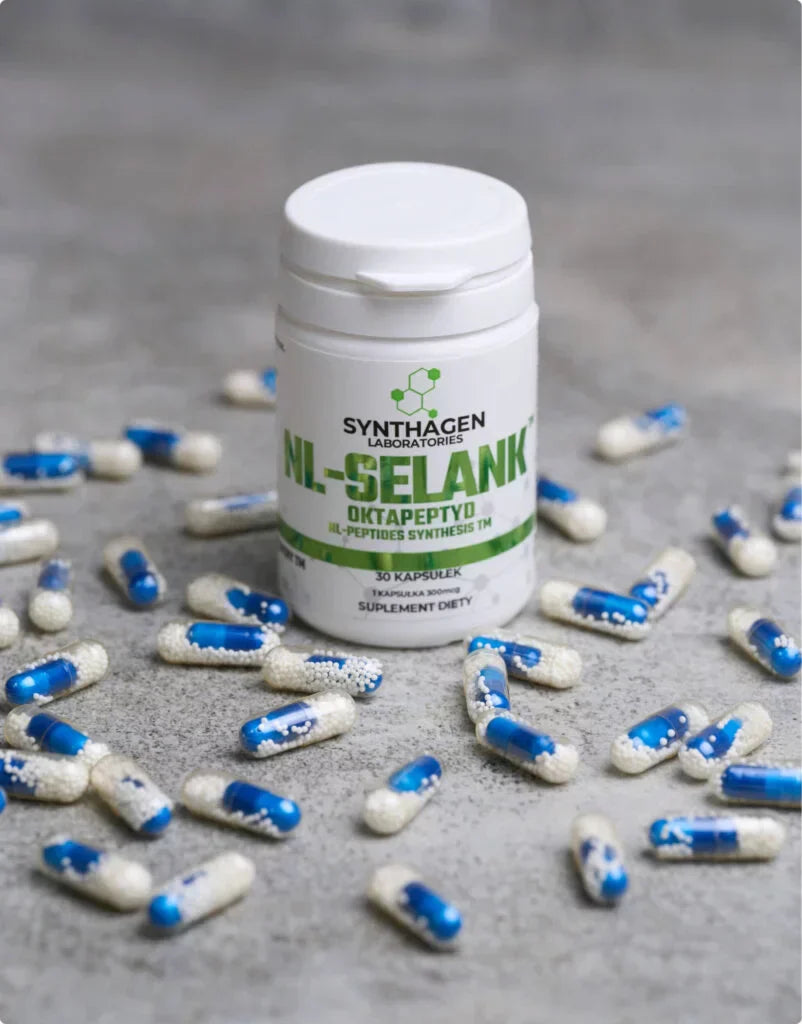
Peptides are gaining popularity among individuals seeking support for recovery, muscle mass development, and overall physical condition improvement. Choosing the right form of peptide administration can be crucial to their effectiveness. Various forms are available on the market, including tablets, injections, and powder. Each of these forms has its unique characteristics and potential benefits, so it is worth carefully considering which option will be the most suitable for a given user.
Peptides in Tablet Form
Tablets are one of the most popular forms of peptide supplementation, especially among people who value convenience and simplicity. Taking peptides in tablet form is extremely easy – it does not require specialized equipment or skills. Simply swallow the tablet with water, making it an ideal solution for individuals with active lifestyles who do not have time for complicated procedures. However, it is worth remembering that the absorption of peptides from tablets may be slightly lower compared to other forms.
The second important aspect when choosing tablets is their composition. Many products available on the market contain additives that may affect their effectiveness. These substances are added to improve taste, chemical stability, or extend shelf life. For this reason, it is important to carefully read labels and select products with the purest possible formula, free from unnecessary additives that may reduce the effectiveness of peptides.
The last, but equally important factor is dosage. Tablets often contain precisely measured amounts of active substances, which makes it easier to control the intake. This, in turn, minimizes the risk of overdose or peptide deficiency in the body. However, for individuals who require very precise dose adjustments, tablets may not be the ideal solution, as they do not allow easy modification of the amount taken.
Peptides in Injection Form
Injections are considered the most effective form of delivering peptides into the body. This method allows for rapid and direct introduction of the substance into the bloodstream, minimizing losses associated with the digestive process and maximizing effectiveness.
Another advantage of using injections is the ability to adjust the dosage with high precision. Injections can be prepared in individualized doses, allowing for better alignment of peptide quantities with the user's needs. For individuals with higher peptide requirements, the possibility of administering a larger dose directly into the bloodstream is undoubtedly an advantage of this application method. Nevertheless, injections require certain skills and may be painful, which can be a barrier for some individuals.
One must not forget about safety issues. When performing injections independently, there is a risk of infection, especially if proper hygiene procedures are not followed. Additionally, improper injection technique may lead to complications such as bruising or tissue damage. Therefore, injections are generally recommended for experienced individuals or those under medical supervision, ensuring greater safety and minimizing the risk of potential complications.
Peptides in Powder Form
Peptides in powder form are a solution that is gaining popularity due to their versatility and flexibility. The powder is usually sold in a lyophilized form, which ensures long shelf life and chemical stability of the active substance. Before use, the powder must be properly dissolved, giving the user the ability to adjust concentration and dosage to individual needs. This form is particularly attractive to those who want greater control over the amount of peptides they consume.
The powder also offers broad application possibilities. It can be used orally after dissolving in water, as well as in injection form, making it the most universal choice. For individuals who prefer natural supplementation methods, the powder can be added to various foods or beverages, allowing easy incorporation into the daily diet.
Summary
The choice of peptide administration form depends on individual needs, lifestyle, and user expectations. Tablets offer convenience and ease of use but may have lower absorption. Injections provide maximum effectiveness and dosing precision, although they require certain skills and may be less comfortable. Powder is a universal solution offering the greatest flexibility, but it requires proper preparation. Each of these forms has its unique advantages and disadvantages, so it is important to make an informed choice that best matches the user's individual needs and health goals.


The biological role of amino acids, proteins and peptides in the proper functioning and regeneration of the body
Peptides - how often can they be used?