 English



Peptides are gaining popularity in the world of sports and medicine, particularly in the context of their use for muscle growth and regeneration. These short chains of amino acids play a key role in many biological processes, including tissue repair, protein synthesis, and hormone regulation. Thanks to their properties, peptides are widely used by athletes and physically active individuals seeking effective methods to improve performance and accelerate recovery after intense training.
Mechanism of Action of Peptides
Peptides act at the cellular level, stimulating various biological processes. Their primary function is to mimic natural hormones and growth factors in the body. Peptides such as GHRP-6 (Growth Hormone Releasing Peptide-6) and CJC-1295 work by stimulating the secretion of growth hormone (GH), which is essential for muscle growth and repair. GH supports protein synthesis, leading to increased muscle mass and strength.

Peptides also influence angiogenesis, which is the formation of new blood vessels. As a result, muscles receive more oxygen and nutrients, promoting regeneration. Increased perfusion of muscle tissues enables faster removal of metabolic byproducts, such as lactic acid, reducing fatigue and soreness after intense exertion. Additionally, peptides have the ability to accelerate repair processes in soft tissues, such as tendons and ligaments. This reduces the risk of injury and significantly shortens recovery time after trauma. This makes peptides a valuable tool not only for athletes but also for individuals undergoing rehabilitation.

Benefits of Peptide Use
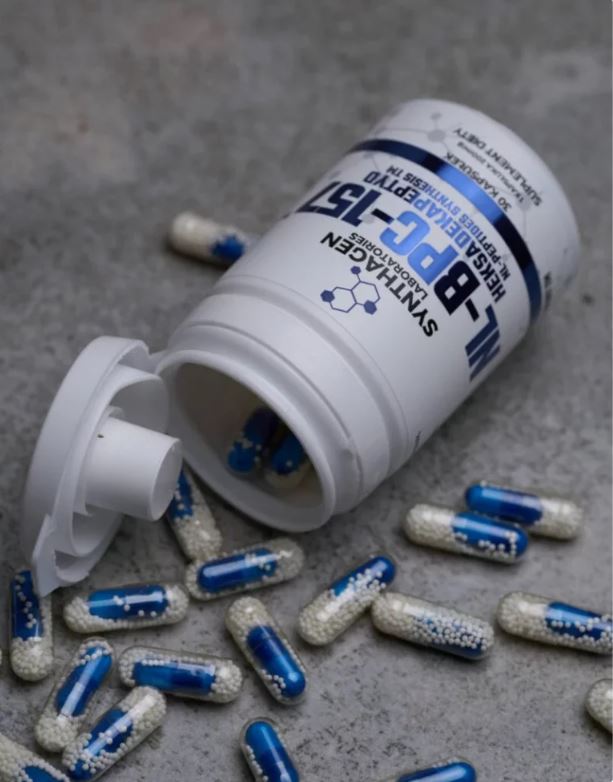
The use of peptides offers many benefits for physically active individuals. One of the most important is increased muscle mass. Peptides such as TB-500 (Thymosin Beta-4) support muscle regeneration and growth, which is crucial for athletes striving to improve their performance. It works by increasing muscle cell production and stimulating protein synthesis, resulting in more efficient muscle development. Another significant benefit is improved post-exercise recovery. Peptides such as BPC-157 (Body Protection Compound-157) are known for their anti-inflammatory and regenerative properties. BPC-157 supports soft tissue repair, which is extremely important for athletes exposed to frequent micro-injuries and overuse. Regular peptide use can significantly shorten the time needed to return to full fitness after an injury. Peptides also have a positive impact on overall physical performance. By stimulating erythropoietin (EPO) production, peptides can increase the number of red blood cells, improving oxygen transport to muscles. This translates into greater endurance and the ability to perform intense exercise for longer periods. For endurance athletes, such as runners or cyclists, this is an invaluable benefit.
Safety and Effectiveness
The safety of peptide use is a key aspect that must be taken into consideration. Although peptides demonstrate many beneficial effects, they may also cause side effects if used improperly. Therefore, it is important that their use is monitored by specialists, and the dosage adjusted to individual needs and goals. It should also be remembered that peptides are substances subject to legal regulations, and their use in sports may be restricted. In clinical studies, peptides show a high level of effectiveness in stimulating muscle growth and tissue regeneration. However, each body reacts differently, so results may vary depending on individual predispositions. Regular testing and medical consultations are essential to minimize risks and maximize the benefits of peptide therapy. An important factor is also the quality of the peptides used. Various products are available on the market, but not all meet appropriate standards. Therefore, when choosing peptides, it is advisable to use trusted sources and verified manufacturers to ensure their effectiveness and safety.
Summary
Peptides represent an innovative solution in the field of sports medicine and muscle regeneration. Their ability to stimulate growth, tissue repair, and improve physical performance makes them a valuable tool for athletes and physically active individuals. However, proper use of peptides, monitoring their effects, and consulting a physician are crucial to ensure safety and maximum effectiveness. Peptides can contribute to better sports performance and faster recovery, provided they are used consciously and responsibly.
Discover the extraordinary potential of peptides for your health and well-being! Visit our website to learn more!


The biological role of amino acids, proteins and peptides in the proper functioning and regeneration of the body
Peptides - how often can they be used?