 English


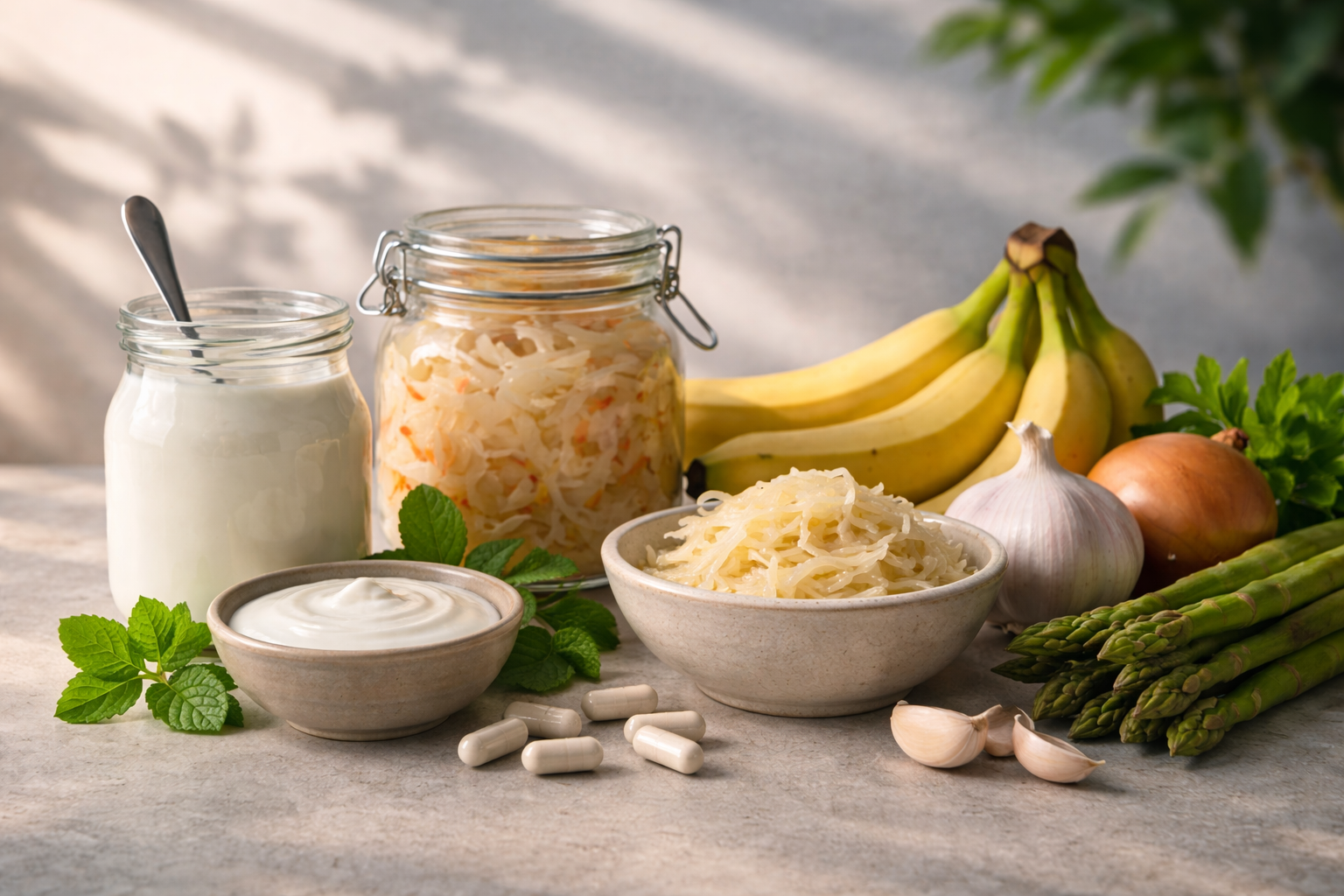
Antibiotics, chronic stress, and medical procedures are three factors that have a huge, often underestimated impact on the digestive system. Each of them, in its own way, disrupts the delicate microbiological balance of the intestines, weakens the intestinal barrier, and slows down the regeneration of the entire body.
- The impact of antibiotics on the body goes far beyond fighting infections – they also destroy beneficial microflora
- Stress and medical procedures damage the intestinal barrier and intensify inflammation
- Rebuilding the microbiota after antibiotic therapy may take many weeks or even months
- Probiotics, diet, and proper supplementation are the pillars of effective regeneration
- Antibiotics and the digestive system – the sooner you take protective action, the less damage will occur
Antibiotics and the digestive system: how treatment affects your intestines
Antibiotics are one of medicine’s greatest achievements – they save lives, shorten illnesses, and eliminate dangerous bacterial infections. However, they have one significant drawback: their action is not limited only to pathogens. They destroy everything they encounter – both harmful bacteria and beneficial bacteria that have spent years building your unique intestinal ecosystem.
The impact of antibiotics on the body begins precisely in the intestines. The condition of disrupted microflora balance, known as dysbiosis, affects the vast majority of people treated with antibiotics. It is estimated that antibiotic-associated diarrhea – one of the first and most common symptoms of dysbiosis – affects from 5 to 35% of treated individuals, depending on the type of antibiotic and the individual resilience of the intestines.
Main effects of antibiotic therapy on the digestive system
Antibiotics and the digestive system represent a relationship much deeper and more complex than digestive discomfort during treatment alone suggests.
Intestinal dysbiosis
This is the fundamental disruption of microflora balance. Antibiotics destroy good bacteria, which are the guardians of the intestines, making it easier for pathogenic microorganisms and fungi to develop. This may lead to further infections, intensified digestive symptoms, and long-term weakening of immunity – because 70–80% of immune system cells are located precisely in the intestines.
Diarrhea and abdominal pain
The most common side effects of antibiotic therapy. In some cases, there is a serious risk of infection with the bacterium Clostridioides difficile – an opportunistic microorganism that, under healthy microflora conditions, is kept under control by beneficial bacteria, but after their destruction may cause dangerous, recurrent post-antibiotic diarrhea requiring additional treatment.
Weakening of the intestinal barrier
This is one of the more serious, yet least visible, consequences of antibiotic therapy. Damage to the delicate intestinal wall leads to increased permeability – a phenomenon commonly referred to as “leaky gut.” As a result, particles that should normally remain within the intestinal lumen enter the bloodstream: bacterial fragments, undigested food proteins, toxins. This results in intensified inflammation, the development of food intolerances, and further weakening of immunity.
Stress and medical procedures: often overlooked threats to the intestines
Antibiotics are not the only factor damaging digestive system health. Chronic stress affects the intestines through the brain-gut axis – a direct neural and hormonal connection between the nervous system and the digestive system. Cortisol, the primary stress hormone, changes the composition of the microbiota, weakens the intestinal barrier, and intensifies inflammation within the intestines. Long-term stress can therefore cause almost identical effects to antibiotic therapy – except it acts more slowly and is much harder to notice.
Medical procedures and surgeries – especially those performed within the abdominal cavity – also strongly disrupt digestive system function. General anesthesia, prolonged immobilization, surgical stress, and the antibiotic prophylaxis often accompanying procedures together create a condition in which the intestines require intensive and conscious regeneration for many weeks after returning home.
Probiotics – your ally in protecting the intestines
Probiotics should be started on the first day of antibiotic therapy – not after it ends. It is crucial to maintain at least a 2–3 hour gap between the antibiotic dose and the probiotic dose to avoid destroying live bacterial cultures before they have a chance to work. Probiotic therapy should continue for 2–4 weeks after the completion of treatment to ensure effective microbiota restoration.
A diet supporting the intestines
- Easy to digest and nutritious – avoid heavy, fatty, and highly processed foods that additionally burden the weakened digestive system.
- Natural sources of probiotics – sauerkraut, pickled cucumbers, kefir, unsweetened natural yogurt, buttermilk, kombucha.
- Fiber – whole grain bread, vegetables, fruits, legumes. Fiber is nourishment for rebuilding beneficial bacteria and supports proper intestinal motility.
- Prebiotics – garlic, onion, leek, asparagus, chicory. They stimulate the growth of beneficial bacterial strains.
Hydration and herbs
- Water – a minimum of 2–2.5 liters daily. It helps eliminate toxins and supports proper digestive system function.
- Chamomile infusion – soothes irritated intestines, reduces cramps and inflammation of the mucous membrane.
- Nettle infusion – anti-inflammatory and detoxifying properties supporting overall digestive system health.
Supplementation as targeted support for intestinal regeneration
Diet and probiotics are the foundation, but in cases of severe intestinal barrier damage – caused by antibiotic therapy, stress, or a medical procedure – the body often requires support that works deeper: at the cellular level, directly within the tissues lining the intestines.
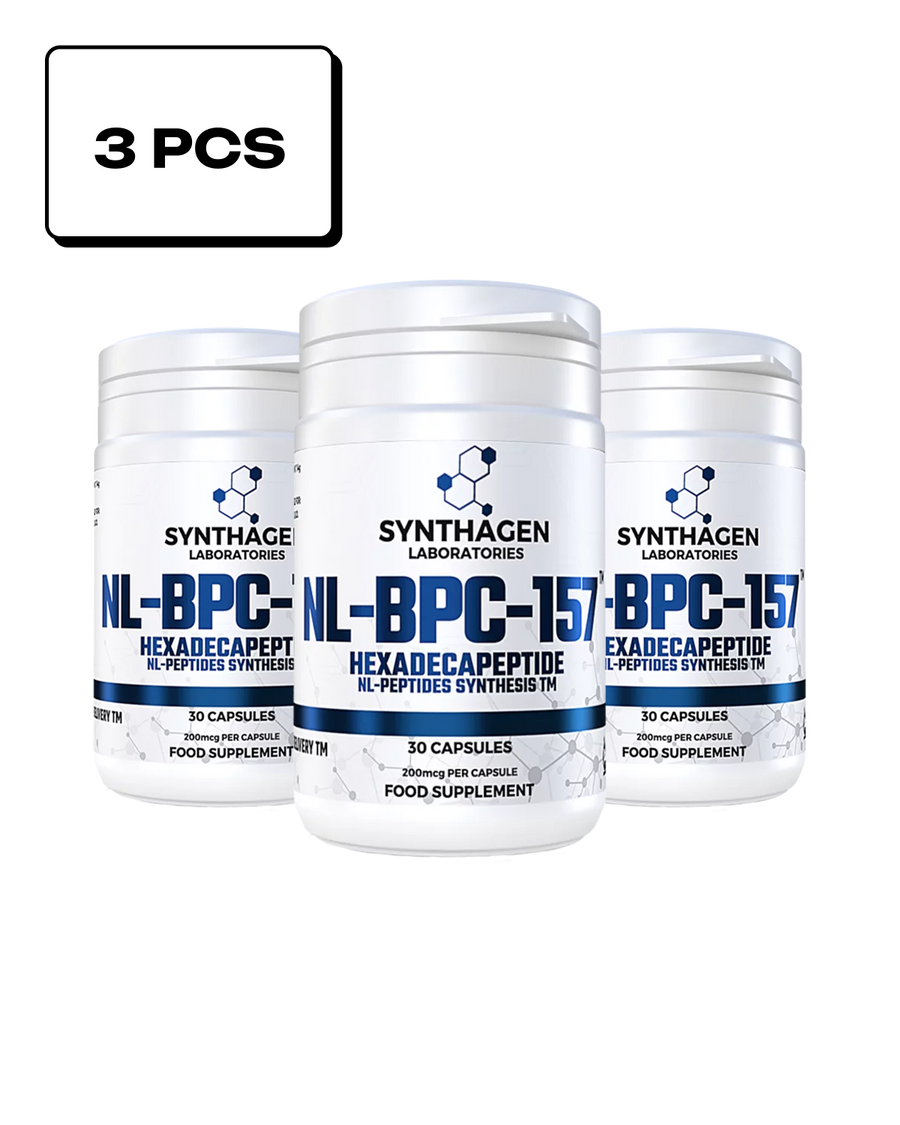
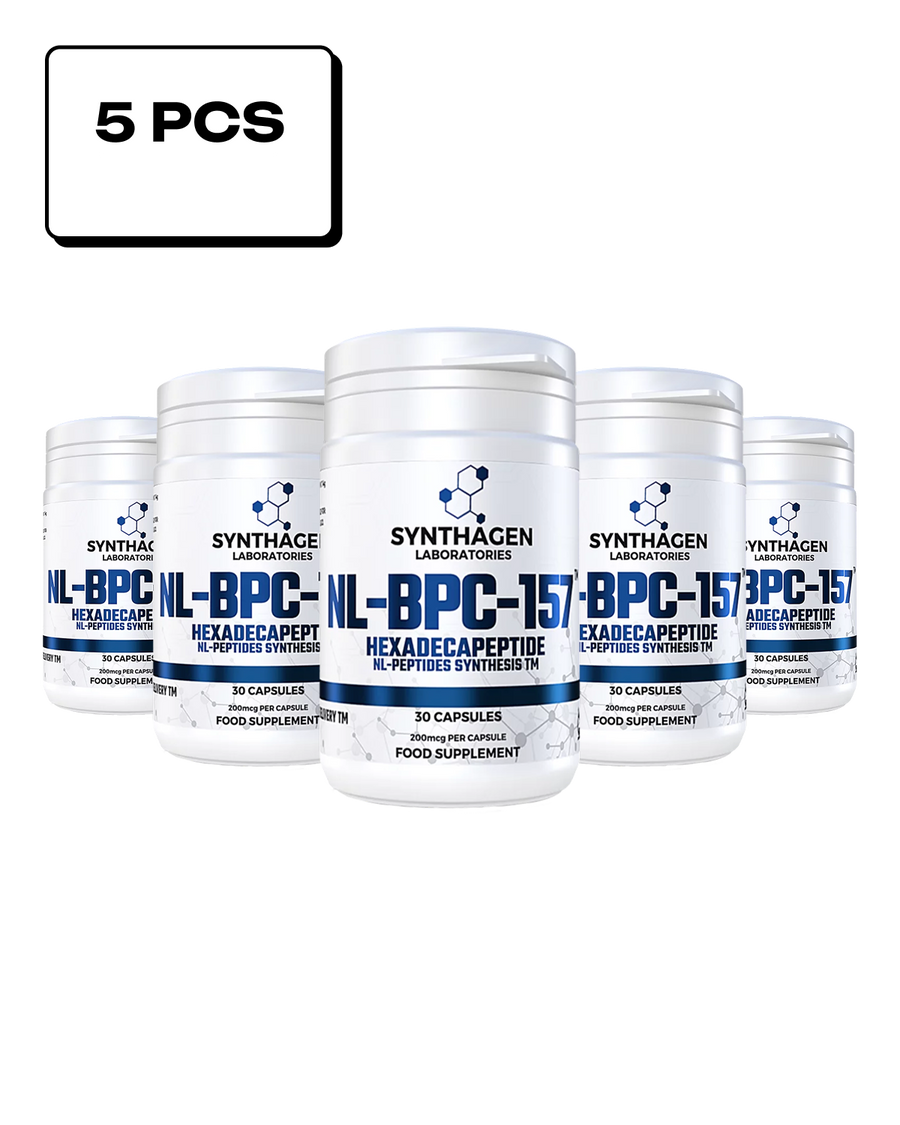
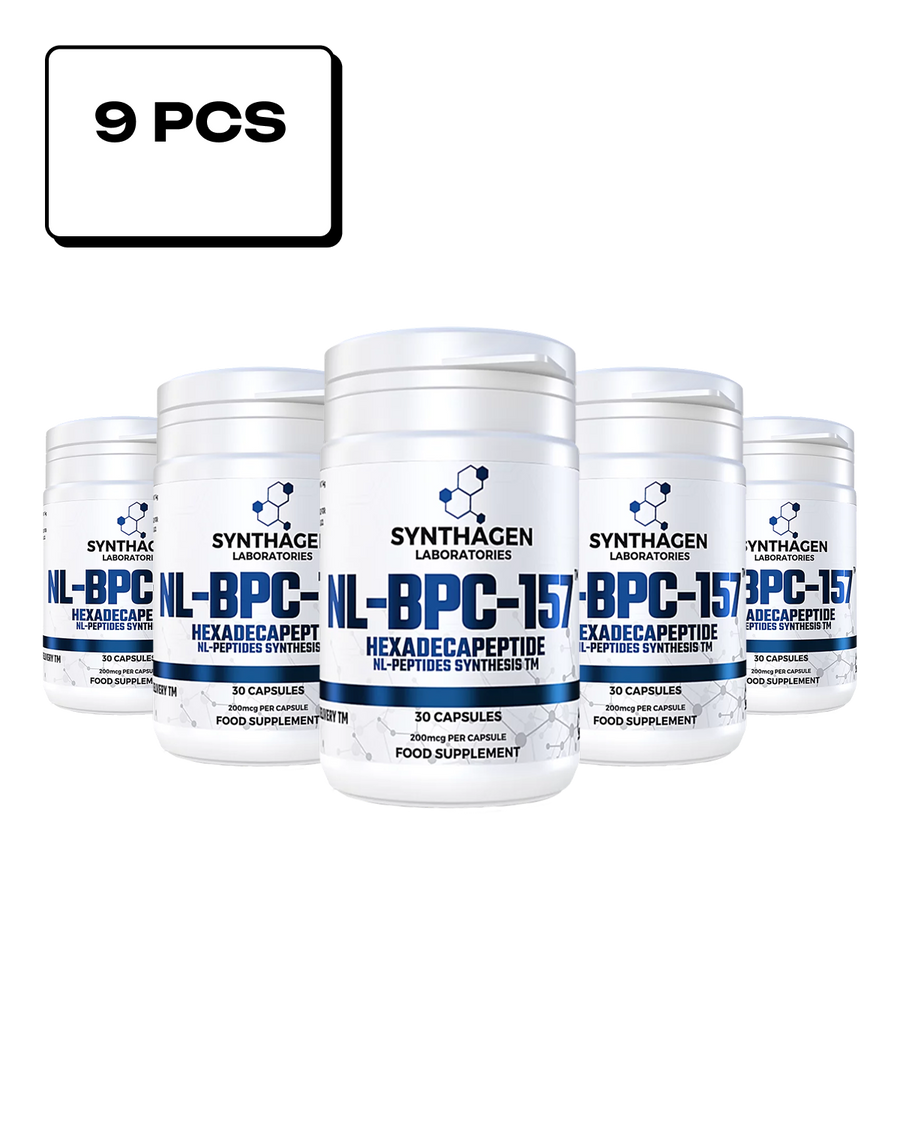
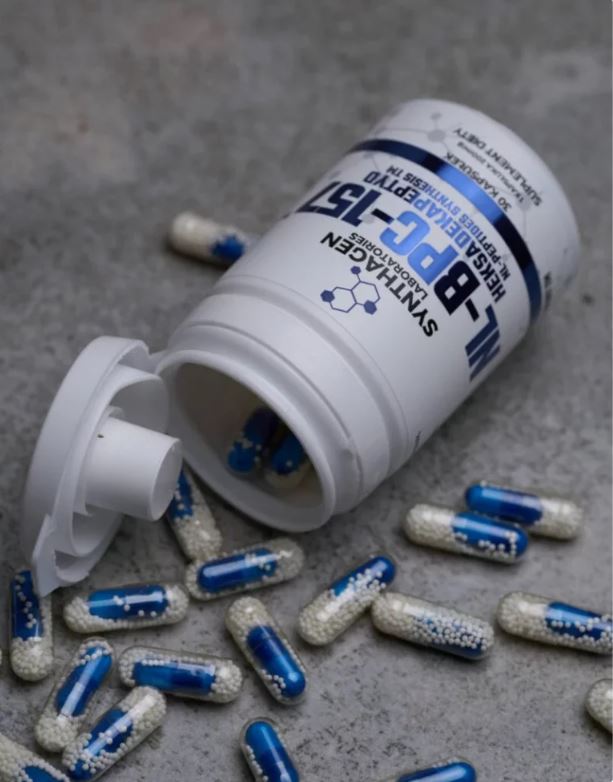
It is precisely in this context that BPC-157 by Synthagen Labs plays a special role – the world’s first peptide developed using the patented NL-PEPTIDES™ technology, ensuring maximum stability, purity, and bioavailability. BPC-157 is a peptide with documented regenerative properties that acts directly on the gastrointestinal mucosa: it accelerates the rebuilding of damaged intestinal tissues, reduces inflammation, and supports the integrity of the intestinal barrier – exactly the structure that antibiotics and stress damage first.
NL-BPC-157™ works at the cellular level, supporting the body’s natural repair processes: tissue regeneration, metabolic balance, and immunity. It is particularly valuable after antibiotic therapy, medical procedures, and during periods of chronic stress when the intestines require intensive rebuilding. Each capsule contains a pharmaceutically pure, tested product – synthesized in Europe and tested in accredited laboratories in Poland, Germany, and Switzerland.
The result? Faster regeneration of the intestinal mucosa, better integrity of the intestinal barrier, and more effective restoration of the microbiota – from the inside, where true healing begins.
Remember about long-term intestinal regeneration
One of the most common mistakes after antibiotic therapy is stopping protective measures too early. Disruption of the intestinal microbiota does not end with the last antibiotic pill. The rebuilding process may take many weeks, and after intensive treatments – even several months.
That is why conscious and consistent intestinal regeneration is so important: continuation of probiotic therapy, an appropriate diet rich in fiber and fermented foods, stress reduction, and supplementation supporting tissue rebuilding. Long-term care of the microbiome is not a temporary treatment – it is an investment in immunity, energy, and the health of the entire body.
Summary
Antibiotics and the digestive system are connected in a relationship that begins with the first pill and continues long after treatment ends. Destruction of beneficial microflora, weakening of the intestinal barrier, risk of dysbiosis, and infection with Clostridioides difficile – these are real consequences faced by most patients after antibiotic therapy.
The impact of antibiotics on the body can, however, be significantly reduced through conscious and multifaceted action: probiotics from the first day of treatment, an easily digestible diet rich in fiber and natural fermented foods, proper hydration, and supplementation supporting cellular regeneration. The sooner you begin protective measures, the less damage the treatment will cause and the faster your intestines will return to full function.
If you are looking for support that works at the cellular level – NL-BPC-157™ by Synthagen Labs is a solution created for those who want to care for their intestines precisely, effectively, and with a scientifically confirmed composition.
Take care of your intestines during treatment. Do not wait for them to heal on their own.
BPC-157 Peptide Sets available at Synthagen Labs
FAQ – Frequently Asked Questions
How quickly do antibiotics destroy gut flora?
Microflora disturbances may appear after the very first dose of an antibiotic. Some bacterial strains are eliminated within just a few hours after taking the medication. This is why it is so important to start probiotics simultaneously with antibiotics – maintaining a 2–3 hour gap between doses.
How long does intestinal regeneration take after antibiotics?
The intestinal microflora may partially rebuild within 2–4 weeks, but full regeneration of microbiota diversity often takes 1–6 months. After intensive or repeated antibiotic therapies, the process may take even longer and require active support through probiotics, diet, and supplementation.
Do probiotics really help during antibiotic therapy?
Yes – clinical studies confirm that using probiotics alongside antibiotics reduces the risk of antibiotic-associated diarrhea by up to 50–60%. The key is choosing a preparation with a documented composition and appropriate bacterial strains, as well as maintaining proper intervals between taking the antibiotic and the probiotic.
What should be avoided in the diet during antibiotic therapy?
Avoid alcohol (it intensifies the side effects of many antibiotics), processed and fatty foods, excessive simple sugars, and products that may weaken drug absorption – for example dairy products with certain types of antibiotics. Instead, focus on easily digestible, nutritious meals and plenty of water.
Can stress intensify the side effects of antibiotic therapy?
Yes. Stress weakens the intestinal barrier and changes the composition of the microbiota independently of antibiotics. The combination of antibiotic therapy and chronic stress is a double burden on the intestines, significantly slowing regeneration. Relaxation techniques, proper sleep, and supplementation supporting intestinal health are particularly important during this time.
How does BPC-157 work on the intestines?
BPC-157 is a peptide with documented regenerative properties that acts directly on the gastrointestinal mucosa. It accelerates the rebuilding of damaged tissues, reduces inflammation, and supports the integrity of the intestinal barrier. NL-BPC-157™ by Synthagen Labs uses patented NL-PEPTIDES™ technology, which ensures maximum bioavailability of the active substance.
Safety of peptide use – facts vs myths
BPC-157 peptide as a support for body regeneration – from injuries to wound healing