 English



Peptides for muscle mass – how to choose the best supplement?
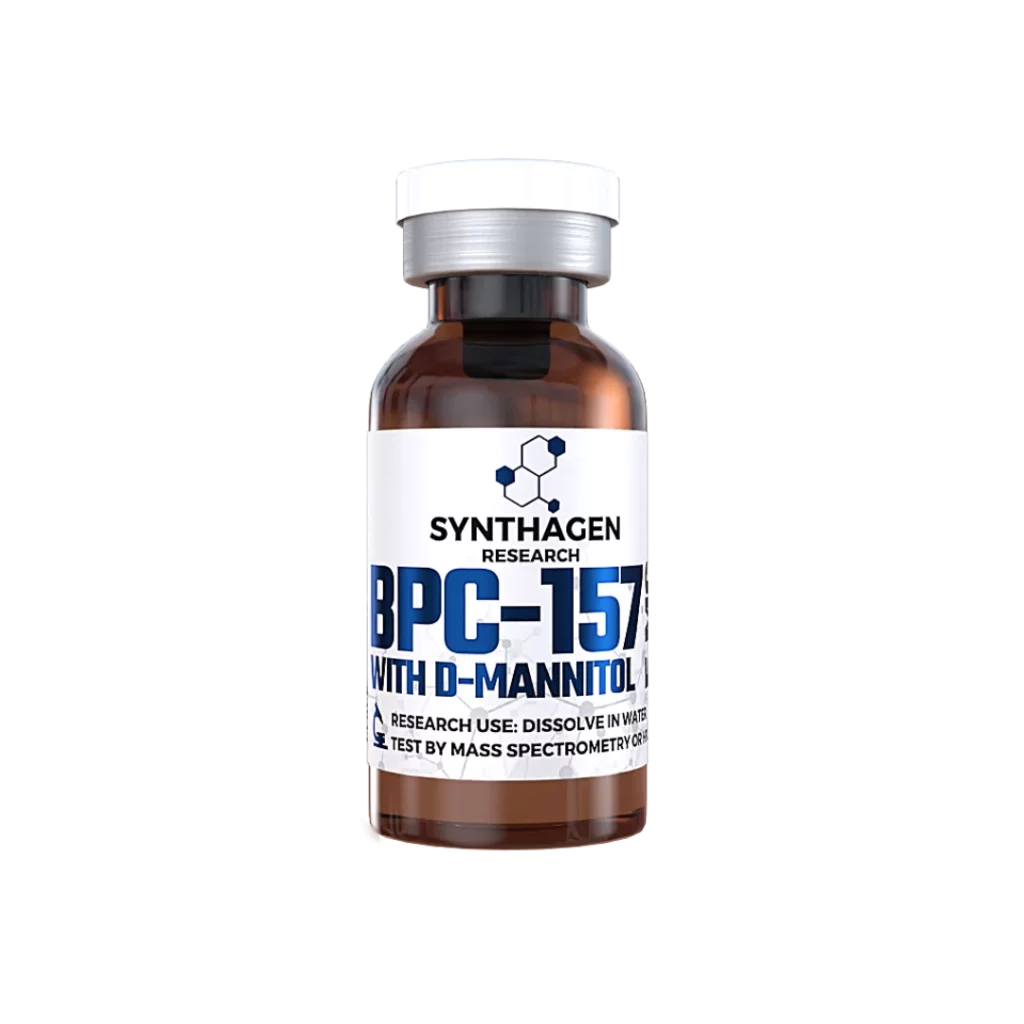
Building muscle mass is a common goal for both professional athletes and fitness enthusiasts. A balanced diet, consistent strength training, and adequate recovery remain the foundations of muscle development.
In recent years, peptides have attracted growing interest in sports science, particularly in relation to muscle recovery and tissue repair. However, their potential benefits depend on the specific peptide, and many applications remain experimental.
So, what are peptides, how are they studied, and what should you consider when evaluating products associated with muscle development? Let's explore the current research.
What Are Peptides and How Do They Work?
Peptides are short chains of amino acids involved in various biological processes. Naturally occurring peptides help regulate functions such as cellular communication, hormone signalling, and tissue maintenance.
Some peptides have also become subjects of scientific research because of their potential roles in tissue repair and recovery.
Among the compounds attracting research interest are:
-
BPC-157: An experimental peptide investigated primarily in preclinical studies for its potential involvement in tissue repair and recovery processes.
-
Hexadecapeptide NL-BPC-157: A modified peptide formulation associated with research into peptide stability and biological activity. Its specific effects on human muscle development have not been established.
-
Peptides and protein synthesis: Certain naturally occurring peptides participate in biological signalling pathways relevant to muscle function, although this does not mean all peptide products stimulate muscle growth.
Understanding these differences is important when evaluating peptide-related information and distinguishing scientific findings from marketing claims.
BPC-157 – Research Into Muscle Recovery and Tissue Repair
BPC-157 has attracted attention in experimental research examining tissue repair, including processes involving muscles, tendons, and ligaments.
Preclinical investigations have explored its possible involvement in:
-
Cellular processes associated with tissue recovery.
-
Biological responses related to inflammation and tissue maintenance.
-
Mechanisms involved in tendon and ligament repair.
Although these areas are scientifically interesting, findings from animal or laboratory studies cannot automatically be applied to humans.

Current clinical evidence is insufficient to establish that BPC-157 improves muscle growth, accelerates injury healing, or enhances athletic performance in humans.
Further well-controlled studies are needed to clarify its potential applications and safety profile.
Hexadecapeptide NL-BPC-157 – An Innovative Peptide Formulation
Hexadecapeptide NL-BPC-157 is a modified peptide formulation that has attracted interest in discussions about peptide development and formulation technology.
Peptide modification is an area of research that may involve factors such as:
-
Molecular stability: Exploring how formulation characteristics influence peptide stability.
-
Biological interactions: Investigating the relationship between peptide structure and activity.
-
Research applications: Examining potential properties under controlled laboratory conditions.
However, claims that NL-BPC-157 delivers stronger muscle growth, faster recovery, or improved performance compared with conventional BPC-157 require reliable comparative clinical evidence.
These potential applications should therefore be understood as research topics rather than established benefits.
How to Choose the Best Supplement for Muscle Development
Choosing a suitable supplement requires careful evaluation of the available scientific evidence, ingredient composition, and individual nutritional requirements.
Here are some important factors to consider:
-
Supplement composition: Look for clearly labelled ingredients, transparent formulations, and reliable quality information.
-
Scientific evidence: Prefer ingredients supported by well-designed human studies rather than relying only on preliminary laboratory findings.
-
Quality and transparency: Review available testing information, manufacturing standards, and product documentation.
-
User reviews: Customer experiences may provide context, but they cannot replace clinical evidence of effectiveness or safety.
-
Professional recommendations: A qualified healthcare professional or registered dietitian can help assess whether a supplement is appropriate for individual needs.
For muscle development, adequate protein intake, progressive resistance training, sufficient energy intake, and proper recovery remain essential.
Experimental peptides such as BPC-157 should not be confused with established dietary supplements or presented as proven alternatives to conventional muscle-building strategies.
FAQ – Frequently Asked Questions About Peptides for Muscle Mass
What are peptides, and how do they relate to muscle development?
Peptides are short chains of amino acids involved in several biological processes. Some naturally occurring peptides participate in signalling pathways relevant to muscle function and tissue maintenance. Their specific effects depend on their molecular structure and biological activity.
Which peptides are being researched for muscle recovery?
BPC-157 and related peptide formulations have attracted research interest in tissue repair and recovery. However, evidence supporting their effectiveness for muscle growth or sports recovery in humans remains limited.
What benefits does BPC-157 provide?
Experimental studies have investigated BPC-157 in relation to tissue repair and biological recovery mechanisms. These findings are preliminary, and its clinical benefits and safety in humans have not been adequately established.
How does Hexadecapeptide NL-BPC-157 differ from BPC-157?
NL-BPC-157 is described as a modified peptide formulation. Differences in formulation may influence its characteristics, but reliable clinical evidence is needed to determine whether these differences produce meaningful benefits in humans.
How do you choose the best supplement for muscle mass?
Focus on transparent ingredient information, reputable manufacturing standards, and scientific evidence from human studies. A balanced diet, consistent training, adequate protein intake, and proper recovery remain the foundation of effective muscle development.
Conclusion – Understanding Peptides and Muscle Development
Peptides represent an interesting area of scientific research, particularly in relation to cellular signalling, tissue maintenance, and recovery mechanisms.
Compounds such as BPC-157 and NL-BPC-157 continue to attract attention, but their proposed effects on muscle growth and physical performance require further clinical investigation.
For anyone interested in improving muscle mass, evidence-based nutrition, structured resistance training, and sufficient recovery should remain the priorities.
Explore more educational articles on peptide science and ongoing research through the Synthagen Labs blog.
Disclaimer: This article is provided for educational purposes only and does not constitute medical advice. Experimental peptides discussed here should not be considered approved treatments or established dietary supplements for muscle development.
Explore related products in our Regeneration & Recovery collection.
Read also
This article is for educational purposes only and does not replace medical advice. The studies described concern the substances, not finished products.
More in Training & Body



Not sure where to start?
3 quick questions. We’ll show you where to start and what it costs.