 English


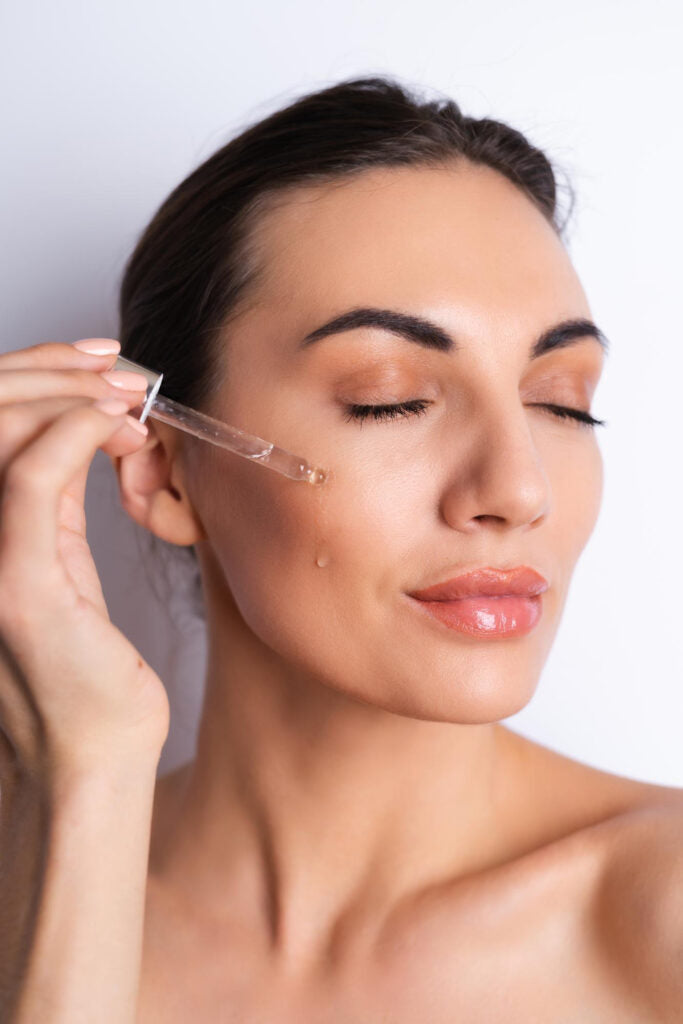
Peptides are becoming increasingly popular in the world of health and beauty. Their versatility and effectiveness attract the attention of people looking for new methods of improving their appearance and physical condition. However, like any active substance, peptides also require appropriate dosing and frequency of use to be safe and effective. In this article, we will look at how often peptides can be used, what factors affect the frequency of their application, and how to avoid mistakes related to their excessive use.
What are peptides and how do they work?
Peptides are short chains of amino acids that play a key role in living organisms. Their task is to transmit signals between cells, which affects the functioning of various systems and processes in the body, such as metabolism, regeneration, and protein synthesis. Peptides used in supplementation and cosmetics aim to improve skin health, support regenerative processes, and slow down the effects of aging. Thanks to their chemical structure, peptides are more easily absorbed by the body, which makes them effective compared to other active substances. Before deciding to use peptides, it is worth understanding exactly how they work. Peptides stimulate collagen production, which is essential for maintaining skin elasticity and firmness. In cosmetics, the most commonly used peptides are those that support skin regeneration and reduce wrinkles. In the case of supplementation, peptides affect the improvement of metabolism, accelerating muscle recovery and supporting weight loss processes.

How often should peptides be used?
The frequency of peptide use depends on their type and the goal we want to achieve. There are several general rules that help determine the appropriate frequency of application.
- Type of peptide – different peptides have different rates of action. For example, peptides used in anti-aging therapy, such as pentapeptides or oligopeptides, may require daily use over a longer period of time to achieve noticeable effects. On the other hand, peptides used in muscle regeneration, such as BPC-157 or TB-500, can be used in cycles lasting from a few days to several weeks.
- Purpose of use – the frequency also depends on the goal we want to achieve. If we want a long-lasting improvement in skin appearance, peptides can be used regularly, whereas in the case of regenerative treatments, e.g. after intense physical exertion, the frequency of application may be limited to the rehabilitation period.
- Permissible application cycles – in some cases, to avoid the body becoming accustomed to the effects of peptides, it is advisable to use them in cycles. It is recommended that after several weeks of regular use, a break is taken, which will allow the body to "rest" and reduce the risk of potential side effects.
What factors affect the frequency of use?
The frequency of peptide use is not the only factor to be taken into account. It is also worth remembering other issues that may affect the effectiveness and safety of peptide use.
- Health condition and body reactions – people who are just starting to use peptides may experience certain side reactions, such as skin irritation or allergies. In such cases, it is worth starting with a smaller dose and gradually increasing the frequency, observing the body's reactions.
- Interactions with other substances – peptides can interact with other supplements or medications, which may affect their action. It is worth consulting a doctor or specialist before starting treatment, especially if we are using other preparations.
- Lifestyle and diet – diet and lifestyle have a huge impact on the effectiveness of peptides. People leading a healthy lifestyle, with a balanced diet and regular physical activity, may notice faster and more pronounced effects of peptide use. In such cases, the frequency of use may be higher.
Summary
Peptides are powerful tools in the pursuit of health and beauty, but like any active substances, they require appropriate dosing and use. The frequency of peptide use depends on their type, purpose, and the body's reactions, so it is important to adjust it to individual needs. Regular use and taking breaks in the treatment allow the best results to be achieved, minimizing the risk of negative reactions. Remember that in case of any doubts, it is worth consulting a doctor or specialist to make sure that the use of peptides is safe and effective.



What are the side effects of using peptides?
Increase your strength, endurance and muscle mass with peptides