 English



Strength training is more than just lifting weights and sweating in the gym. The key to achieving your dream physique is not only regular physical activity, but also recovery, which supports the process of muscle adaptation to effort. Vitamins play an invaluable role here – they support the body in recovery, increase training efficiency, and protect against injuries. In this article, we will look at which vitamins are especially important for physically active people and how they affect athletic performance.
Muscle recovery and vitamins – the key role of micronutrients
- Vitamin C – antioxidant shield : Intense physical exertion leads to the formation of free radicals, which can damage muscle cells. Vitamin C, one of the strongest antioxidants, neutralizes these harmful molecules, protecting the body from oxidative stress. Moreover, it supports collagen synthesis, which is crucial for the health of tendons and ligaments, helping prevent injuries.
- Vitamin D – support for the immune system and muscles : Vitamin D affects muscle function, the immune system, and bone health. Its deficiency may lead to reduced muscle strength and prolonged recovery time. Studies indicate that vitamin D supplementation contributes to reducing inflammation, which is especially important after intense workouts.
- B vitamins – energy for the body : The B group is a true support system for physically active individuals. Vitamins B6 and B12 are involved in protein and amino acid metabolism, supporting muscle recovery after exercise. Additionally, these vitamins influence energy production, resulting in better performance during training.
Vitamins and athletic performance – how do they affect form?
- Vitamin E – recovery and protection : Vitamin E is a powerful antioxidant that supports muscle recovery processes. It protects cell membranes from damage caused by physical exertion, allowing for faster return to form. Regular intake of vitamin E also helps increase muscle endurance.
- Vitamin A – energy and rebuilding : Vitamin A plays a key role in protein synthesis, which is the main building block of muscles. It also influences glycogen production, the main energy source during training. Its adequate intake ensures efficient muscle performance and faster post-exercise recovery.
- Vitamin K – bone health and recovery : During heavy weight training, bone health is just as important as muscle health. Vitamin K supports bone mineralization, helping prevent injuries. Additionally, it participates in the regeneration of soft tissues, making it essential in every athlete’s diet.
Peptides in bodybuilding and vitamins – synergistic support
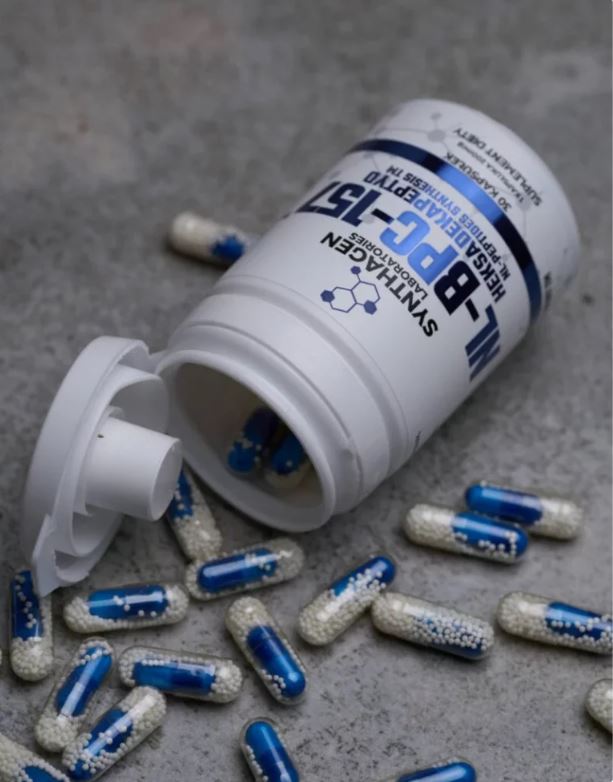
Peptides such as NL-BPC-157™ are increasingly used in athletes’ supplementation. They support regenerative processes, accelerating the healing of micro-injuries and improving joint and ligament health. Combined with vitamins, they create comprehensive support for the body.
Vitamins such as C and D enhance the effects of peptides, contributing to an even better regenerative outcome. The synergy of these components allows athletes to return to training faster and improve performance.
There is no universal solution – both vitamins and peptides should be selected individually. It is worth consulting a specialist to tailor supplementation to your own needs and training goals.
Summary
Vitamins play a key role in muscle recovery and improving training performance. Regular intake of nutrients such as vitamin C, D, and B vitamins supports metabolism, protects against injuries, and increases body endurance. Combined with innovative peptides, supplementation becomes an effective tool on the path to better form and health. It is worth choosing comprehensive support that includes both vitamins and peptides – only then will training deliver the best results.
Check our offer of gym vitamins at synthagenlabs.com


Injuries in powerlifting
BPC-157 in the gastrointestinal tract. Cytoprotective effects of BPC-157 in diseases of the stomach, intestines, and liver.