 English


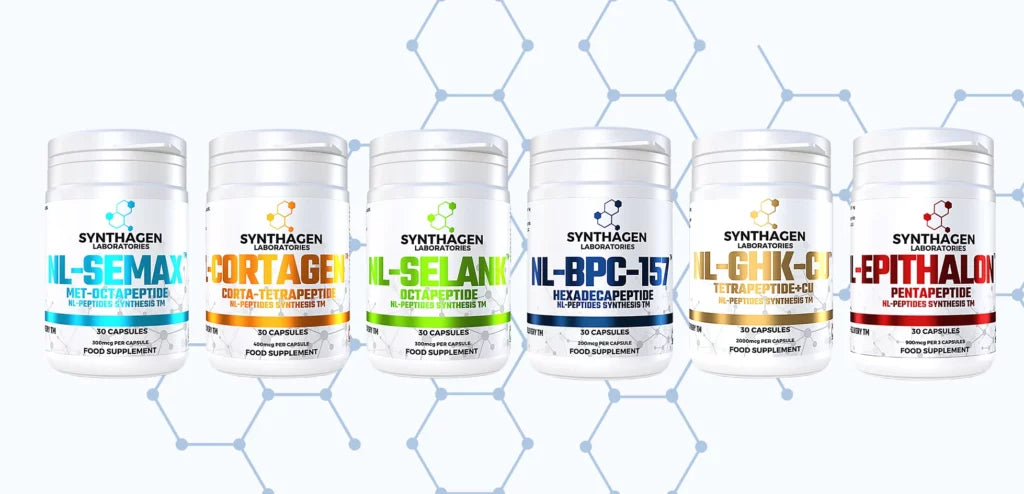
Peptides are chemical compounds with enormous potential in the context of building strength and muscular endurance. More and more athletes and physically active people are reaching for gym peptides to improve their performance and speed up the body’s recovery. How exactly do they work and which ones are the most effective?
What are peptides and how do they affect the athlete’s body?
Peptides are short chains of amino acids that play a key role in many biological processes. Their action in the body may include improving protein synthesis, increasing hormone production, and supporting tissue regeneration. The most important effects of peptide use in the context of strength training include:
- Faster muscle recovery, which allows for more frequent and more intense training sessions.
- Increased endurance and strength, thanks to stimulation of protein synthesis and increased muscle mass.
- Reduction of body fat, supporting effective body recomposition.
- Improved tendon and ligament elasticity, which reduces the risk of injury.
Which peptides are most effective for people training in the gym?
Not all peptides work in the same way. The choice of the right preparation depends on individual training goals and level of experience. Among the most commonly used gym peptides, the following can be distinguished:
BPC-157 – regeneration and immune system support
The peptide BPC-157 is also known for its positive impact on the digestive system, helping in the treatment of inflammation and accelerating tissue regeneration after injuries. Its effects make it particularly useful during intense training periods when the body is exposed to a higher number of micro-injuries.
Ipamorelin – stimulation of growth hormone production
Ipamorelin is valued among athletes because it selectively stimulates the secretion of growth hormone, which may lead to better muscle-building results with minimal side effects. Its use is often associated with improved endurance, which is crucial during long and exhausting training sessions.
CJC-1295 – support for muscle building
Thanks to its ability to sustain growth hormone secretion over a long period, CJC-1295 promotes better muscle recovery after training, which translates into faster muscle growth. In addition to supporting physique development, it also improves fat metabolism, helping reduce body fat.
TB-500 – protection and regeneration of soft tissues
TB-500 works at the cellular level, stimulating regenerative processes in soft tissues, which supports the rebuilding of damaged muscle fibers. In addition, its use may accelerate the healing of micro-injuries, preventing chronic injuries and allowing continued training without long breaks.
Good to know!
Peptides are short chains of amino acids that play a key role in living organisms, influencing many biological processes, from hormone regulation to tissue regeneration. Interestingly, some peptides, such as BPC-157, are naturally produced by the human body, but their concentration may increase in response to injury or stress, accelerating repair processes.
How to use peptides to achieve maximum results?
To ensure peptide supplementation delivers the best results, it is important to follow a few key principles. Proper dosing, consistency, and combining supplementation with a well-balanced diet and training are the foundation of success. Basic rules for using peptides:
- Consistency is key – the best results are achieved through regular supplementation.
- Peptides should be used according to the manufacturer’s recommendations to avoid possible side effects.
- It is worth combining peptides with a diet rich in protein and healthy fats, which supports muscle building.
- Recovery is essential – adequate sleep and proper supplementation support muscle rebuilding processes.
FAQ – frequently asked questions
1. Are peptides safe for people training in the gym?
Yes, if used according to recommendations, they can support recovery and muscle development without the risk of negative side effects. However, it is important to remember that individual responses to peptides may vary, so monitoring their effects and adjusting dosage is key.2. How long do peptides need to be used before results appear?
The first effects may be visible after a few weeks, however optimal results are achieved after a longer period of regular use. It should also be considered that results depend on training intensity, diet, and individual predispositions.
3. Can peptides be combined with other dietary supplements?
Yes, peptides can be used in combination with protein, creatine, and amino acids to achieve even better training results. This combination may support not only muscle recovery but also improve strength and endurance performance.
4. Which peptide has the best effect on muscle recovery?
BPC-157 and TB-500 are the most effective peptides for accelerating recovery and protecting soft tissues. BPC-157 particularly supports the healing of micro-injuries, while TB-500 has a stronger effect on tendon and ligament regeneration, making it ideal in cases of injury.
5. Can peptide use cause side effects?
When used according to recommendations, side effects are minimal, however it is always worth consulting supplementation with an expert. Misuse or improper use of peptides may lead to hormonal imbalances and other health issues, so caution and proper dosing are important.



Joint supplementation – what ingredients should you choose to protect your joints?
What ingredients in supplements help keep joints strong and healthy?