 English


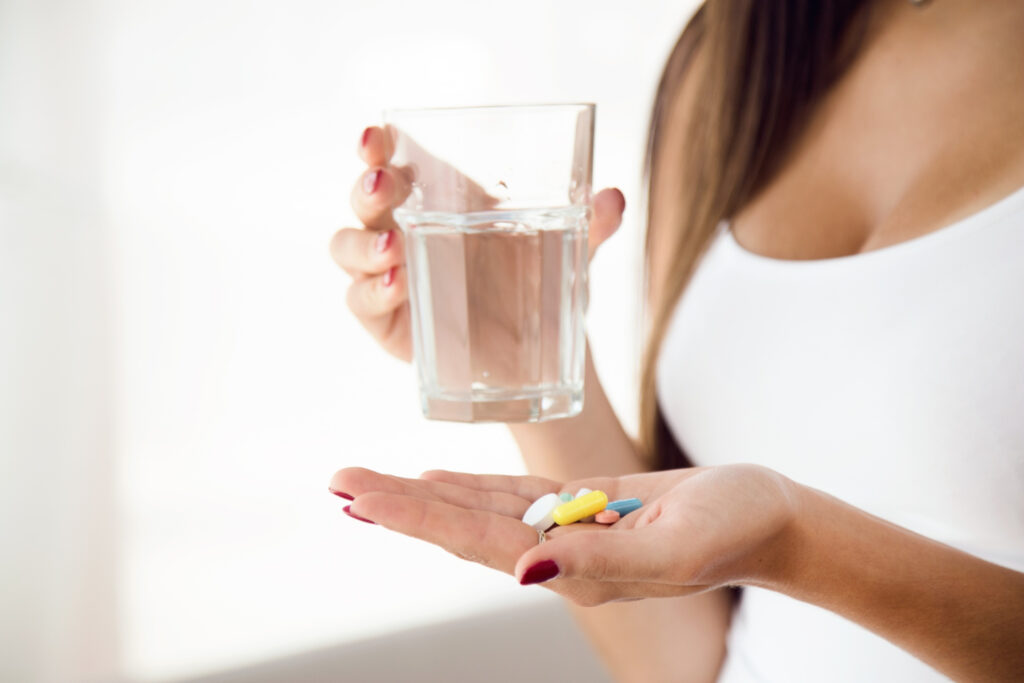
Peptides are gaining increasing popularity both in the world of medicine and among enthusiasts of a healthy lifestyle. Thanks to their unique biological properties, peptides can support the body in regeneration, improving skin condition, and even building muscle mass. However, like any supplement, the use of peptides requires caution. There are substances and circumstances with which peptides should not be combined in order to avoid potential negative effects. In this article, we present the most important issues related to combining peptides with other substances and factors that require special attention.
Medications and peptides – risk of interactions
Using peptides in combination with medications may lead to unpredictable reactions of the body. Special caution should be taken with drugs that affect hormonal balance, as many peptides act in a similar way. For example, peptides such as GHRP-6 or CJC-1295 may affect growth hormone secretion, which can interfere with thyroid medications or anabolic steroids. As a result, this may lead to improper functioning of the hormonal system, which in extreme cases can be dangerous to health.
It is also worth paying attention to immunosuppressive drugs. Peptides that support the immune system, such as TB-500, may weaken the effect of medications intended to suppress immune responses. Such an interaction may lead to exacerbation of conditions requiring immunosuppression, such as autoimmune diseases or post-transplant therapy.
Finally, peptides may affect the metabolism of other drugs through modulation of liver enzymes. For example, using peptides together with drugs metabolized by the cytochrome P450 system may increase the concentration of these drugs in the blood, raising the risk of side effects. Therefore, before starting peptide therapy, it is necessary to consult a doctor to avoid unwanted interactions.
Alcohol and peptides – impact on therapy effectiveness
Alcohol is another substance that should not be combined with peptides. Alcohol consumption during peptide therapy may reduce its effectiveness and even lead to adverse effects. Alcohol can decrease peptide bioavailability, meaning the body cannot fully utilize the administered compounds. As a result, the benefits of peptide therapy may be lower than expected.
Dietary supplements are another group of products that may interact negatively with peptides. Although supplements are generally considered safe, some of them may interfere with peptide activity. For example, supplements containing high doses of zinc may affect peptide absorption in the body, leading to reduced effectiveness. Zinc, as an important trace element, may compete with peptides for the same transport mechanisms, limiting their bioavailability.
Moreover, alcohol negatively affects the body’s regenerative processes, which are crucial for many peptide therapies. For example, peptides such as BPC-157, which support tissue regeneration, may be less effective when combined with alcohol, as ethanol can weaken repair processes in the body. Long-term alcohol consumption during peptide therapy may also burden the liver, further limiting the body’s ability to efficiently process peptides.
Finally, combining peptides with alcohol may lead to emotional instability. Some peptides affect mood and well-being, and alcohol may amplify these effects, which in extreme cases may result in depressive or anxiety states. To avoid such consequences, it is advisable to completely avoid alcohol during peptide use.
Dietary supplements and peptides – potential risks
Another example includes herbal supplements, which may affect the hormonal system. Herbs such as ashwagandha or ginseng can influence hormone levels in the body, which, when combined with peptides acting on the hormonal axis, may lead to hormonal imbalance. Such interactions may not only reduce peptide effectiveness but also lead to serious health problems.
Special attention should also be given to pre-workout supplements, which often contain stimulants such as caffeine. Combining them with peptides may lead to excessive stimulation of the nervous system, which can manifest as hyperactivity, insomnia, or concentration problems. Therefore, before starting peptide supplementation, it is important to carefully analyze the composition of other supplements in order to avoid potential risks.
Summary
The use of peptides brings many health benefits, but it also requires caution and awareness of potential interactions. Medications, alcohol, and dietary supplements can significantly affect the effectiveness and safety of peptide therapy. The key to success is proper education and consultation with a doctor or specialist before starting treatment. Remember that each interaction may be individual in nature, so it is worth approaching peptide use with full awareness in order to fully benefit from their potential while avoiding health risks.


Injuries in powerlifting
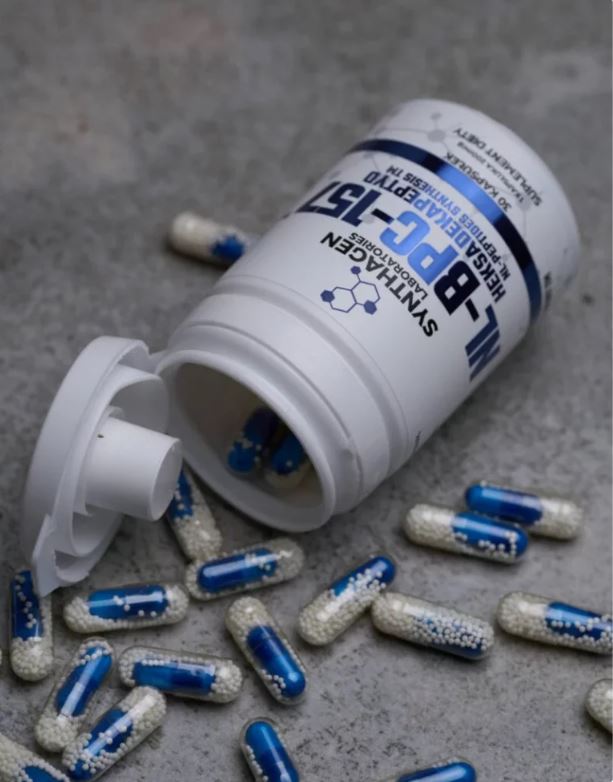
BPC-157 in the gastrointestinal tract. Cytoprotective effects of BPC-157 in diseases of the stomach, intestines, and liver.