 English


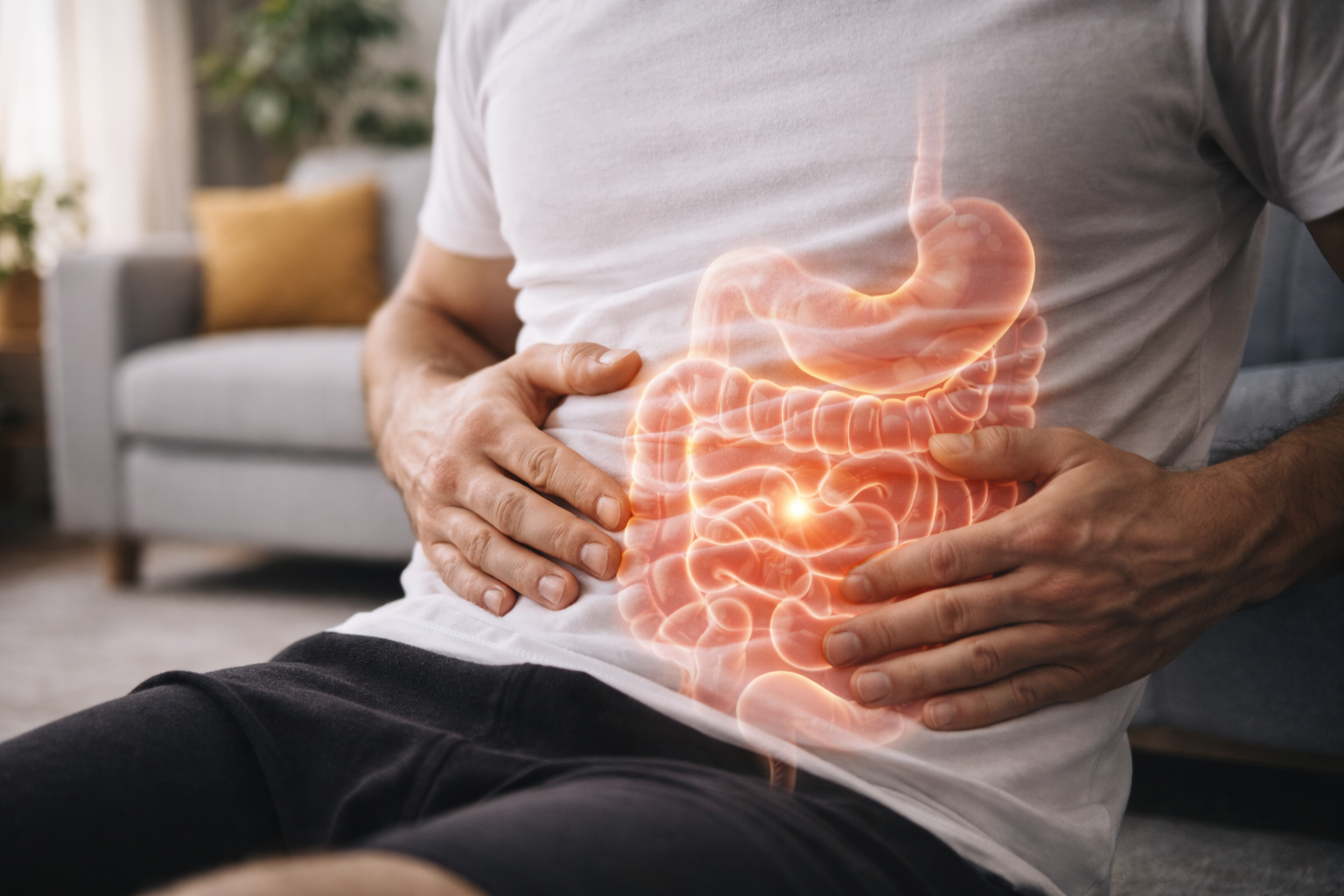
The gut is much more than just a digestive organ. It affects immunity, mood, energy levels, and — crucially for athletes — the speed of post-workout recovery. Taking care of gut health is one of the most underrated elements of holistic body recovery.
- The gut and brain are connected – the state of your gut directly affects your mood and energy
- The gut microbiome regulates inflammation throughout the body, including in muscles after training
- Probiotics, prebiotics, and fiber are the foundation of gut health
- Hydration and movement support peristalsis and digestion
- Proper supplementation accelerates gut recovery from the inside
The Gut and Recovery: A Connection Nobody Talks About
When we think about post-workout recovery, we focus on muscles, sleep, and diet. Meanwhile, the gut plays a role in this process that remains undervalued – both by amateur athletes and by many specialists. It is in the gut that the nutrients essential for tissue repair are absorbed, where a significant portion of the neurotransmitters affecting mood and motivation are synthesized, and where the immune system – located there in approximately 70–80% – regulates inflammatory responses throughout the body, including those triggered by intense physical exercise.
A healthy gut means faster recovery, better protein absorption, and less post-workout inflammation. A disrupted gut microbiome (dysbiosis) means exactly the opposite: poorer nutrient absorption, prolonged inflammation, and a slower return to form. If you're wondering how to restore gut health and why it's worth doing, the answer is simple: because the condition of your gut determines the condition of your entire body.
Probiotics and Prebiotics: Not Just in Supplements
One of the most effective ways to support your gut is to regularly supply it with probiotics and prebiotics – both from food and from well-chosen supplementation.
Probiotics are live cultures of bacteria that colonize the gut and support microbiological balance. Prebiotics are their food – indigestible food components that stimulate the growth and activity of beneficial bacteria.
Natural sources of probiotics:
- Fermented vegetables – pickles (cabbage, cucumbers, beets), kimchi. Rich in diverse strains of lactic acid bacteria.
- Fermented dairy products – natural yogurt, kefir, buttermilk. Choose those without added sugar or artificial colorings.
- Others – kombucha (fermented tea), tempeh, miso.
Where to find prebiotics:
- Fruits – bananas (especially unripe), apples, blueberries.
- Vegetables – garlic, onion, leek, asparagus, artichokes, chicory.
- Whole grain products – oats, barley, wheat (in moderation for sensitive guts).
A balanced diet rich in these ingredients, combined with appropriate supplementation, will provide the gut with optimal conditions for functioning and recovery.
A High-Fiber Diet: The Foundation of a Healthy Gut
Dietary fiber is an indispensable component of a diet supporting proper gut function. It helps regulate bowel movements, prevents constipation, supports the removal of toxins from the body, and serves as food for beneficial gut bacteria.
Recommended intake: 25–35 grams of fiber per day. You can achieve this by including in your diet:
- Vegetables – green leafy vegetables (spinach, kale), broccoli, carrots, beets.
- Fruits – raspberries, blackberries, apples with skin, pears.
- Whole grain products – whole grain bread, brown rice, groats (buckwheat, barley), oatmeal.
- Seeds and nuts – flaxseed, chia, walnuts, almonds.
- Legumes – lentils, beans, chickpeas.
Remember to gradually increase the amount of fiber in your diet and drink more water at the same time – a sudden increase in intake can cause temporary digestive discomfort.
Supplementation as Support for Gut Recovery
Diet and lifestyle are the foundation, but an intensively functioning body – especially one subjected to regular training – often needs precise external support. Well-chosen supplementation works where food alone doesn't always suffice: it replenishes deficiencies, accelerates the regeneration of the gut mucosa, and supports microbiological balance at the cellular level.
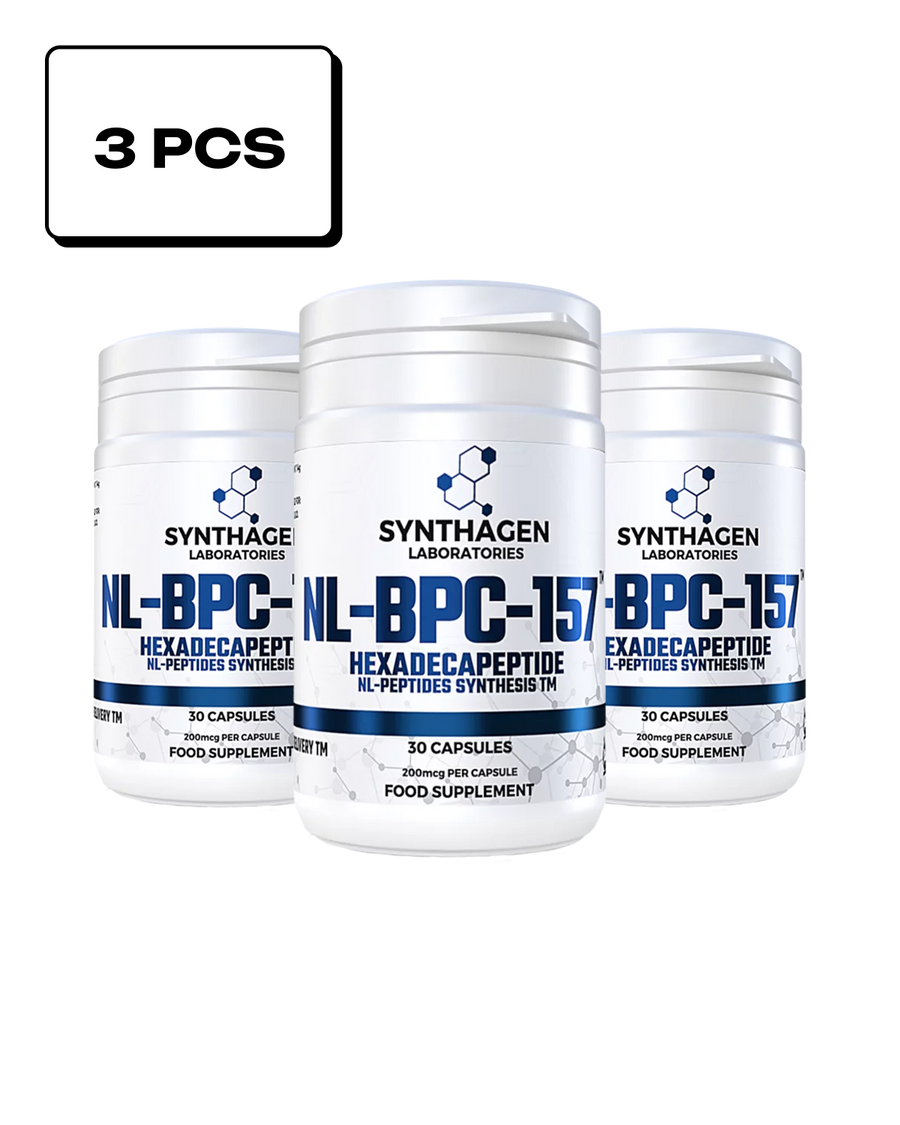
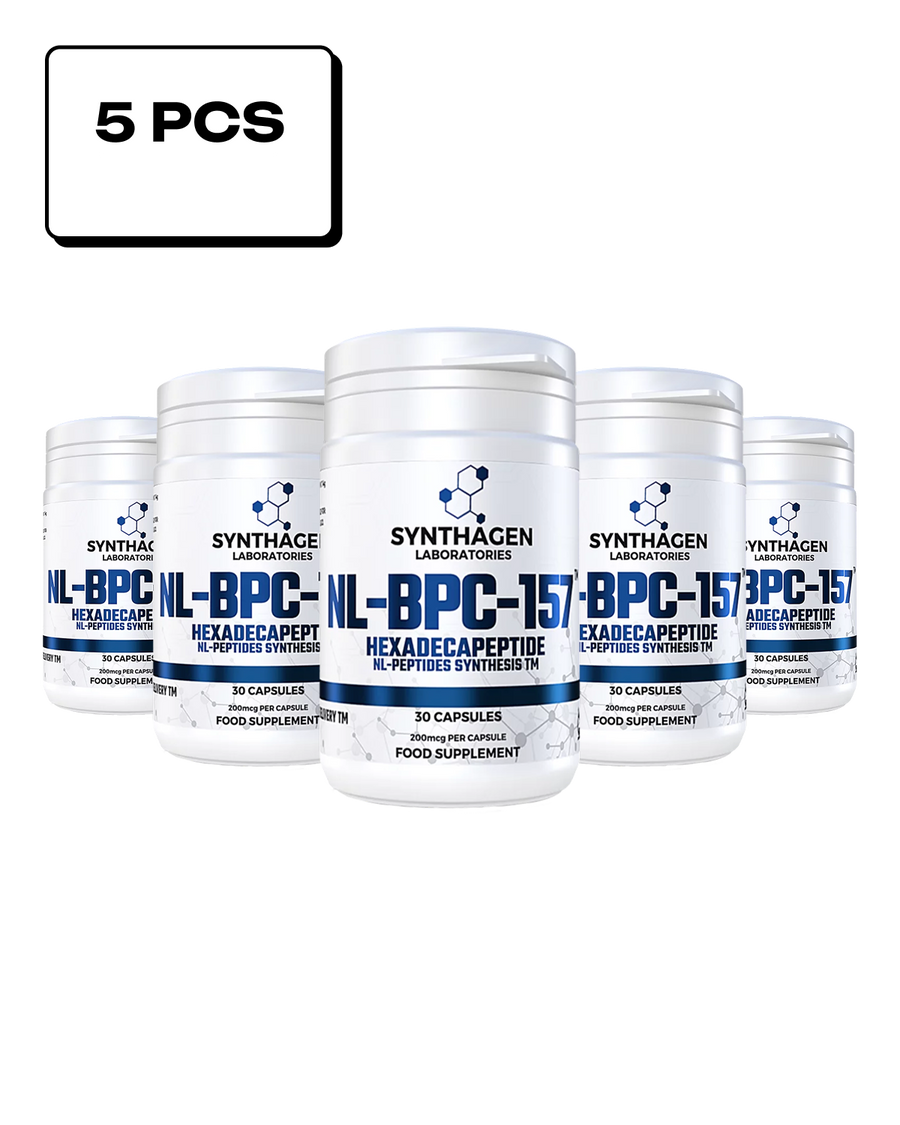
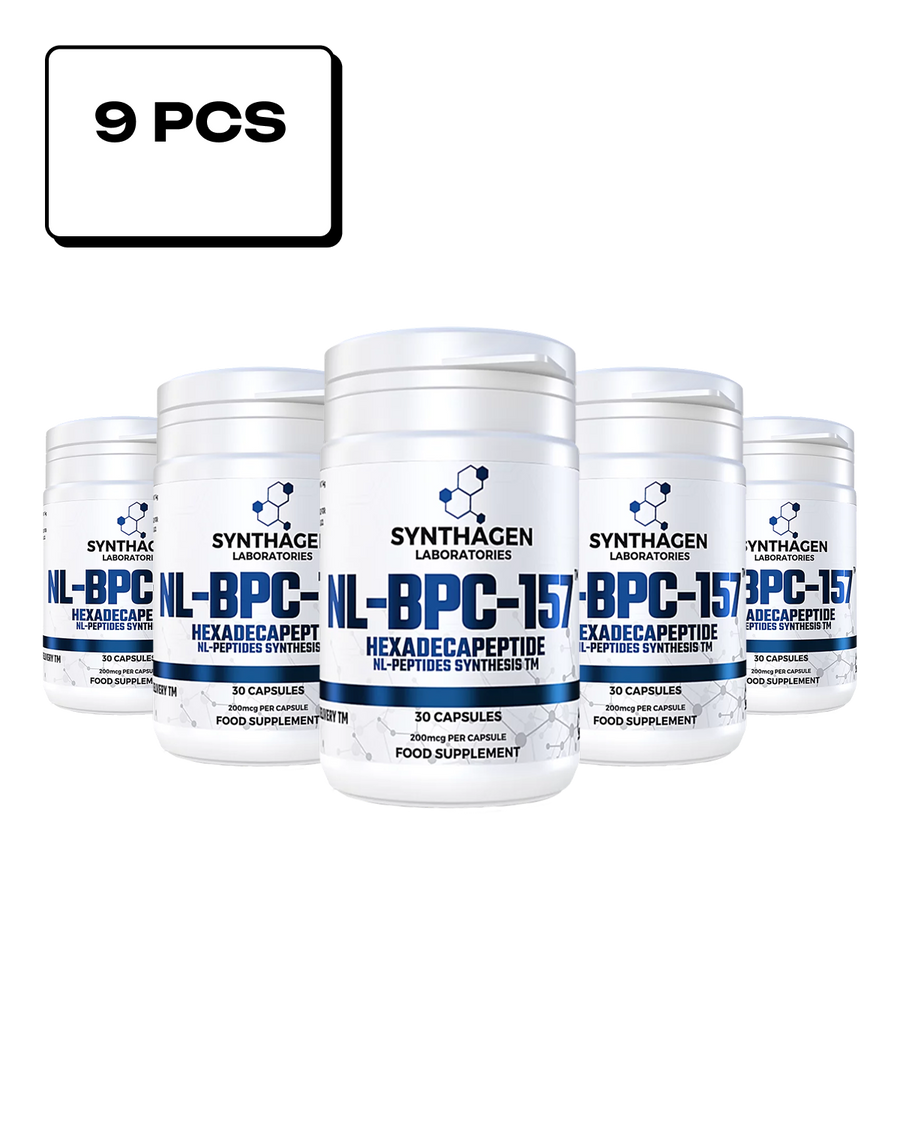
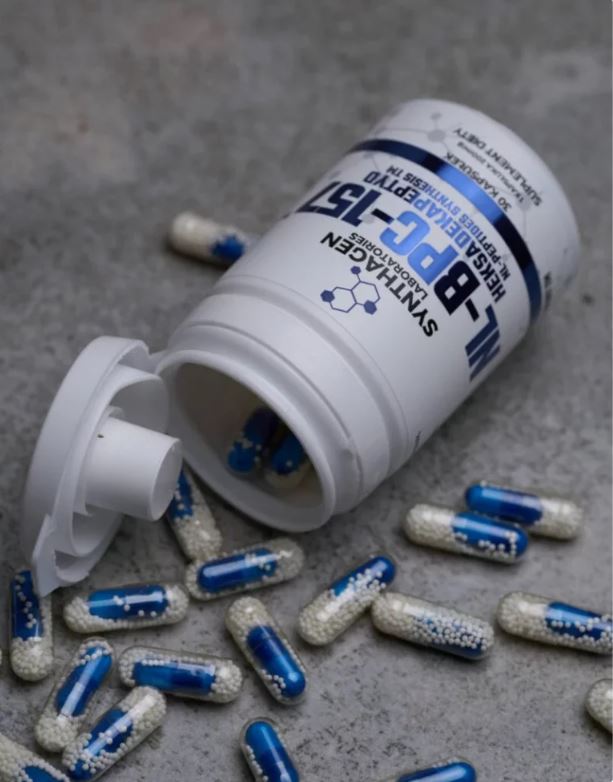
One of the most advanced solutions available on the market is BPC-157 from Synthagen Labs – the world's first peptide in the patented NL-PEPTIDES™ technology, ensuring maximum stability, purity, and bioavailability. The product was created with the support of the body's natural repair processes in mind: tissue regeneration, immunity, and metabolic balance – precisely those processes that determine the health of the gut and the entire digestive system.
NL-BPC-157™ works at the cellular level, supporting the renewal of tissues lining the intestines, reducing inflammation, and accelerating a return to balance after overload – whether training-related, dietary, or stress-related. Each capsule contains a pharmaceutically pure, tested product.
This is not a declaration – it is documented quality confirmed by independent research.
Hydration and Movement: Allies of Your Gut
Water is essential for proper digestion and gut function. Adequate hydration helps soften stool, facilitates its movement through the digestive tract, and prevents constipation. It is recommended to drink 2.5–3 liters of water per day, preferably plain mineral water, herbal teas, or unsweetened infusions.
Regular movement is not only beneficial for the heart and muscles – it is also direct support for the gut. Physical activity improves intestinal peristalsis, i.e. the natural wave-like movements of the intestines, which facilitates digestion and regular bowel movements. Aim for at least 30 minutes of moderate movement per day. Particularly effective are:
- brisk walking
- swimming
- yoga
- cycling
- light stretching exercises
Combining adequate hydration with regular physical activity is a simple yet extremely effective way to support your gut and keep it in excellent condition.
Herbs and Natural Support for the Gut
Nature offers many ingredients that can support gut health and relieve various ailments. It is worth incorporating into your daily routine:
- Peppermint – peppermint infusions have antispasmodic properties and relieve bloating and abdominal pain.
- Nettle – nettle tea has anti-inflammatory and detoxifying properties, supporting the overall health of the digestive system.
- Flaxseed – soaked or ground, it forms a mucilage that acts as a protective coating for the intestinal mucosa, soothes irritation, and regulates digestion. It is also a rich source of fiber.
- Chamomile – has anti-inflammatory and antispasmodic properties, helpful for digestive ailments.
Remember to always consult a doctor or pharmacist before incorporating herbs into your diet, especially if you are taking other medications.
What to Avoid for Gut Health?
In addition to introducing health-promoting habits, it is equally important to eliminate factors that negatively affect the condition of the gut and slow down the process of restoring gut health after it has been disrupted.
- Alcohol – excessive consumption damages the gut mucosa, disrupts microflora, and leads to inflammation.
- Smoking – tobacco smoke contains toxic substances that increase the risk of inflammatory bowel diseases.
- Processed and fatty food – highly processed products, rich in simple sugars, artificial additives, and trans fats, lead to gut dysbiosis, inflammation, and digestive problems.
- Excessive stress – prolonged stress has a direct negative impact on the gut-brain axis, leading to a range of digestive complaints. Relaxation techniques, sleep, and recovery are also an investment in gut health.
Summary – How to Support Your Gut?
The gut is one of the most underrated organs in the context of recovery and overall wellbeing. Yet it is the condition of the gut that determines how quickly you return to form after training, how effectively you absorb nutrients, and how well your immune system functions.
How to restore gut health and how to support your gut in everyday life? The answer is not complicated, though it requires consistency: ensure a varied diet rich in fiber, fermented products, and prebiotics; drink an adequate amount of water; exercise regularly; avoid alcohol and processed food; and treat stress as just as serious a threat to gut health as a poor diet.
If you want to support this process precisely and effectively – reach for supplementation whose quality is confirmed by research. NL-BPC-157™ from Synthagen Labs is a solution created for those who take their health seriously and want to act at the cellular level – where true regeneration begins.
BPC-157 Peptide Sets Available at Synthagen Labs
FAQ – Frequently Asked Questions
How long does gut recovery take?
The time it takes to restore gut health depends on the degree of disruption and the cause of the problem. With minor microbiome imbalances, the first effects of a diet rich in probiotics and prebiotics can be felt within 2–4 weeks. With more serious inflammation or long-term dysbiosis, the process can take several months. Consistency is key – the gut recovers gradually, not overnight.
How to support the gut after antibiotic therapy?
Antibiotics destroy not only harmful bacteria, but also beneficial ones. After a course of antibiotics, rebuilding the gut microbiome is especially important. Include fermented foods, kefir, and natural yogurt in your diet, ensure adequate fiber intake, and consider supplementing with high-quality probiotics with a documented composition. Avoid alcohol and processed food during this time, as they further weaken the recovering microflora.
Does physical activity really affect the gut?
Yes – and significantly. Regular exercise improves intestinal peristalsis, which directly translates into better digestion and regular bowel movements. Research also shows that physically active people have a more diverse and healthier gut microbiome than those leading a sedentary lifestyle. Just 30 minutes of moderate movement per day makes a noticeable difference.
How to support the gut under chronic stress?
Stress affects the gut through the so-called gut-brain axis – a direct neural and hormonal connection between the nervous system and the digestive system. With chronic stress, it is worth addressing several areas simultaneously: relaxation techniques (meditation, diaphragmatic breathing, yoga), regular sleep, a diet rich in magnesium and antioxidants, and probiotics that positively influence the production of neurotransmitters, including serotonin.
Can you eat fermented foods every day?
Yes, fermented foods consumed daily in reasonable amounts are safe and beneficial for gut health. They provide natural probiotics, vitamin C, and lactic acid. However, it is worth introducing them gradually, especially if they have not previously been a regular part of your diet – too large an amount at the start can cause temporary bloating and digestive discomfort.
How to restore gut health after a long period of poor diet?
Start by gradually increasing fiber intake, give up processed food and simple sugars, and instead focus on vegetables, fruits, fermented foods, and whole grain products. Ensure adequate hydration and regular movement. If symptoms are severe – bloating, irregular bowel movements, a feeling of heaviness – consider supplementing with probiotics and peptides that support the regeneration of the gut mucosa, such as NL-BPC-157™ from Synthagen Labs, whose effectiveness has been confirmed in accredited laboratories.
How long should you take probiotics?
There is no single universal answer. For short-term support – e.g. after antibiotic therapy – 4–8 weeks is usually sufficient. For chronic gut problems or as a preventive measure, probiotics can be taken long-term. It is important to choose products with a documented composition and high quality, preferably those that have been clinically tested.
Peptides for regeneration – how do they support repair processes in the body?
Why do muscles hurt long after training?