 English


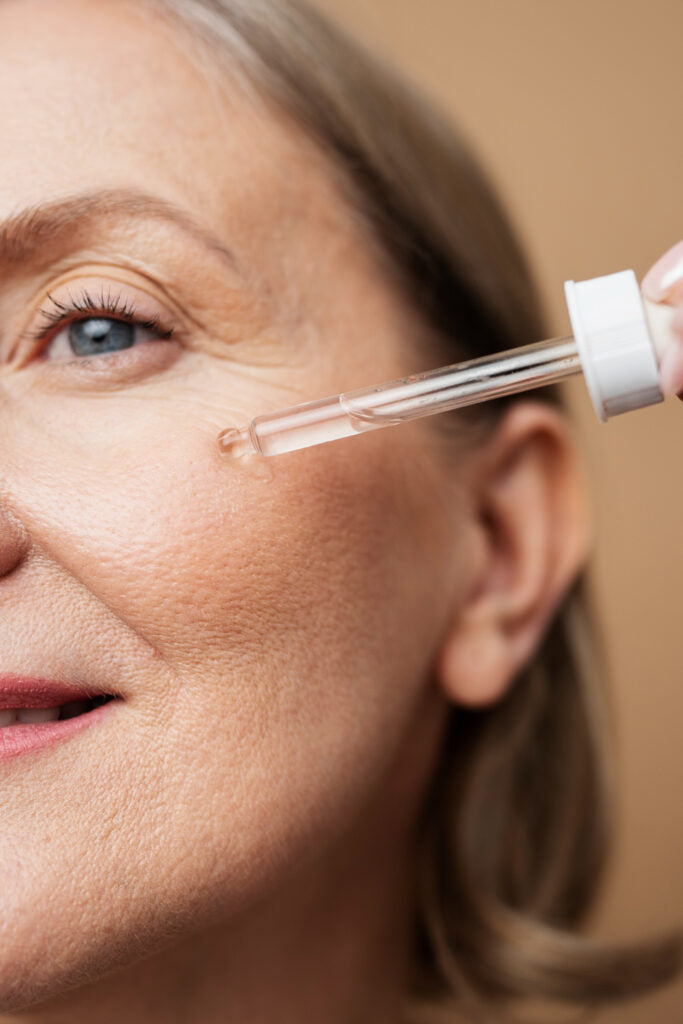
Peptides are becoming an increasingly popular agent supporting health, regeneration and skin condition improvement. They have gained recognition among both aesthetic medicine professionals and enthusiasts of a healthy lifestyle. Although the benefits of using peptides can be impressive, it is important to remember that their use may be associated with certain side effects. In this article, we will analyze the potential risks associated with taking peptides to help you make an informed decision about their use.
What are peptides and how do they work?
Peptides are short chains of amino acids that play a key role in the body’s biological processes. Their action depends on their structure and intended use.
- They support tissue regeneration and improve skin condition.
- They increase collagen production, which helps reduce wrinkles.
- They regulate metabolic processes, helping maintain health.
Their effectiveness comes from the ability to precisely interact with specific receptors in the body. However, this very specificity can sometimes lead to side effects when the body reacts in unexpected ways.
Side effects of peptide use: what is worth knowing?
Although peptides are generally considered safe, their use may lead to certain adverse effects. The most common side effects include skin reactions. These may include redness, itching, or swelling at the injection site. For many people, these symptoms are temporary, but sometimes they require medical consultation. Another common issue is an allergic reaction. It may manifest as hives, difficulty breathing, or facial swelling. In such cases, immediate medical attention is necessary. Ultimately, peptides may affect hormonal balance, which in rare cases can lead to dysfunction of glands.
Does peptide use affect the hormonal system?
One of the more serious side effects of peptide use is interference with the hormonal system. Some peptides, such as those used to stimulate growth hormone (GH), may lead to excessive gland activity. The first symptoms of hormonal imbalance may include fatigue, excessive sweating, or sleep problems. Long-term peptide use may also affect insulin levels, which is particularly important for people at risk of diabetes. To minimize the risk of hormonal disorders, it is advisable to consult a doctor before starting supplementation. Regular check-ups help monitor health status and detect potential complications early.
Impact on the immune system
Some peptides may affect the immune system, both positively and negatively. Immune system stimulation can sometimes lead to unpredictable effects. One potential issue is excessive autoimmune reaction, in which the body attacks its own tissues. This may manifest as joint pain, fatigue, and inflammation. On the other hand, some peptides may suppress immune responses, increasing susceptibility to infections. Therefore, it is crucial to use them responsibly and in appropriate doses, preferably under specialist supervision.
Potential interactions with other substances
Peptide use may also involve the risk of interactions with other supplements or medications. Some peptides may interact with medications used for chronic conditions, which can affect their effectiveness or safety. It is important to consider the possibility of increased side effects when using multiple products simultaneously. For example, combining peptides with antidiabetic medications may lead to hypoglycemia. Similarly, interactions with immunosuppressive drugs may increase the risk of infections. To avoid problems, it is recommended to consult all used products with a doctor or pharmacist. A specialist will help assess whether peptide use is safe in your case.
Summary
Peptides are a diverse group of biologically active compounds, and their potential side effects vary significantly.
Possible risks may include local reactions, allergic responses, biological interactions and effects related to the specific pathways targeted by a particular peptide.
For established therapeutic peptides, safety information may be well documented. For investigational compounds, however, human evidence may still be limited.
For this reason, peptide safety should always be evaluated on a compound-by-compound basis rather than through broad claims about peptides as a whole.
As research continues, better-quality human studies will help clarify the safety profiles and appropriate applications of individual peptides.



The Effect of Peptides on Blood Sugar Levels – What Does the Research Say?
Joint Supplementation: Which Ingredients Support Joint Health?