 English


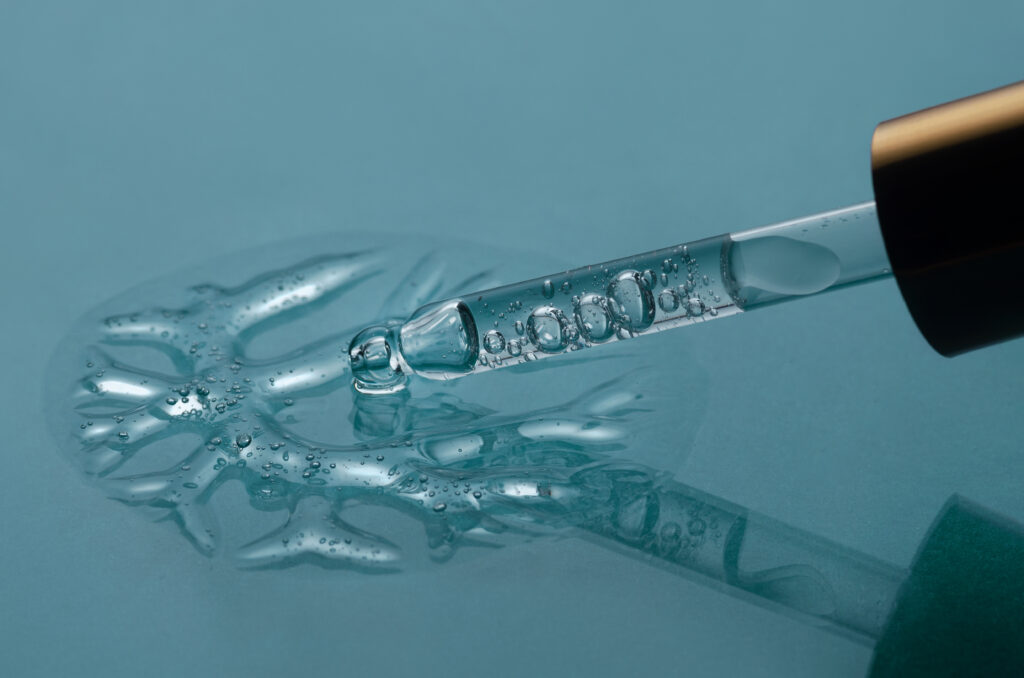
As we age, our skin loses firmness, elasticity, and its ability to regenerate. Fortunately, modern cosmetology and regenerative medicine offer effective solutions to support skin health, and one of the most promising ingredients is peptides. How do they work, how do they support anti-aging and regeneration, and which products are worth incorporating into your skincare routine?
How do peptides affect the skin?
Peptides are short chains of amino acids that act as messengers in the skin. They support natural regenerative processes, stimulate collagen and elastin production, and help repair damage caused by external factors such as UV radiation or environmental pollution. Young and healthy skin naturally produces collagen, which provides firmness and elasticity. However, after the age of 25, its production gradually declines. Over time, the following appear:
- wrinkles
- the skin loses smoothness
- its structure becomes less even
Peptides and skin health are closely connected – these bioactive compounds can effectively delay the aging process and support epidermal regeneration.
The most effective peptides in skincare
Not all peptides work the same way. Depending on their chemical structure, they can perform different functions, and here are the most important ones:
- GHK-Cu – a copper peptide that supports skin regeneration and wrinkle reduction.
- Matrixyl – a powerful peptide that stimulates collagen production, improving skin firmness and elasticity.
- Argireline – a peptide with botox-like effects that reduces expression wrinkles.
- Palmitoyl Tetrapeptide – an anti-inflammatory ingredient that reduces redness and soothes irritation.

Each of these peptides shows high effectiveness in anti-aging and regeneration, but their effects are best visible when used in appropriate concentrations and combined with other active ingredients.
How to choose the best peptide-based product?
Choosing the right product is key to achieving the best results. It is worth paying attention to several aspects:
- Type of peptides – depending on individual needs, choose peptides that stimulate collagen production, improve hydration, or reduce wrinkles.
- Type of peptides – depending on individual needs, choose peptides that stimulate collagen production, improve hydration, or reduce wrinkles.
- Type of peptides – depending on individual needs, choose peptides that stimulate collagen production, improve hydration, or reduce wrinkles.
Do peptides have side effects?
Although peptides are considered some of the safest substances in cosmetology and regenerative medicine, their use requires caution. Possible side effects include:
- allergic reactions in people sensitive to specific substances,
- temporary skin redness after using certain peptides,
- irritation if the product is used at too high a concentration or on damaged skin
To minimize risk, it is always recommended to perform a patch test and follow the manufacturer’s instructions.
FAQ – Frequently Asked Questions
Are peptides safe for all skin types?
Yes, most peptides are well tolerated by dry, oily, and sensitive skin. However, it is important to choose a product suited to individual needs.How long does it take to see results from peptides?
The first effects may be noticeable after a few weeks of regular use, but the best results usually appear after 2–3 months.Can peptides be used together with other active ingredients?
Yes, peptides work very well with antioxidants, hyaluronic acid, and ceramides, which enhance their regenerative effects.Which peptides are best for wrinkle reduction?
Argireline and Matrixyl are among the most effective anti-wrinkle peptides, known for their lifting effects and ability to stimulate collagen production.Can peptides cause side effects?
In rare cases, irritation or allergies may occur, which is why testing new products on a small patch of skin before full use is recommended.Summary
Peptides and skin health are a topic of growing interest in both cosmetology and aesthetic medicine. Their effectiveness in anti-aging and regeneration has been confirmed by numerous studies, and the wide range of products available on the market makes it possible to tailor therapy to individual needs. When choosing peptide-based products, it is worth selecting trusted brands and maintaining regular use to achieve maximum benefits for the skin.


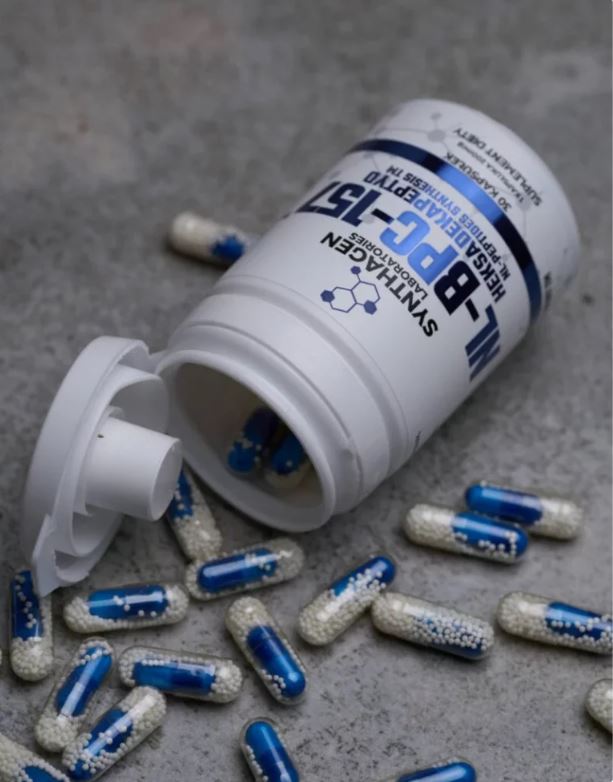
Safety of peptide use – facts vs myths
Antibiotics, stress and treatments – what happens to the digestive system?