 English


Body regeneration is one of the most important processes that allows the body to maintain performance, health, and the ability to handle physical exertion. Intense training, injuries, overload, or surgical procedures require the body to activate complex repair mechanisms. That is why increasing attention is being paid to peptides for regeneration, which are biologically active compounds that may support the body’s natural tissue repair processes.
One of the most frequently discussed compounds in this context is BPC-157 peptide, known for its potential influence on the regeneration of muscles, tendons, ligaments, and other body structures. Studies analyze its effects in the context of tissue repair after injuries, accelerated wound healing, and supporting the body during recovery.
What are peptides for regeneration?
Peptides for regeneration are short chains of amino acids that act in the body as biological signals regulating various metabolic processes. Rather than functioning only as nutrients like traditional dietary components, they may participate in communication between cells and support the body wherever rebuilding or increased repair activity is needed. This is exactly why peptides are increasingly discussed as more targeted solutions than standard supplementation.
In the context of regeneration, they are most often associated with supporting muscle recovery after exercise, tendon and ligament regeneration, healing damaged soft tissues, and aiding the body after surgical procedures. They are also increasingly analyzed in terms of regulating inflammation and improving conditions that promote full-body recovery. That is why peptides for regeneration are now discussed not only in sports but also in conversations about rehabilitation and recovery after major physical stress.
- muscle recovery after physical exertion
- tendon and ligament regeneration
- healing of damaged soft tissues
- support for the body after surgical procedures
- reduction of inflammation
BPC-157 – one of the most frequently discussed regenerative peptides
Among various biologically active compounds, BPC-157 peptide (Body Protective Compound-157) has attracted particular interest. It is a peptide derived from a protein fragment naturally present in gastric juice, which in experimental studies is analyzed for its influence on tissue regeneration and repair processes in the body. Its origin alone made BPC-157 a subject of interest not only in the context of the musculoskeletal system, but also in the protection and regeneration of the gastrointestinal lining.
Its popularity stems from the fact that the peptide’s potential effects may involve several key areas of regeneration simultaneously. On one hand, it is discussed in relation to muscles, tendons, and ligaments; on the other, in the context of tissue healing and recovery after major physical stress. It is precisely this multidirectional potential that makes BPC-157 so frequently mentioned as one of the most interesting peptides for regeneration.
Support for tissue regeneration after injuries
One of the most frequently discussed areas of BPC-157 peptide activity is the regeneration of tissues damaged during injuries or intense physical exertion. Studies analyze its potential effects on rebuilding structures such as muscles, tendons, and ligaments — tissues that are especially exposed to overload in sports and physical activity. This is important because these tissues often regenerate more slowly than desired, and insufficient recovery may lead to recurring problems.
These tissues are particularly vulnerable to overload during training, and their regeneration can be time-consuming and demanding. That is why peptides for regeneration are increasingly analyzed as support for the body’s natural rebuilding processes. In practice, they are discussed in the context of their potential influence on muscle recovery after microtrauma, tendon support after overload, and improving conditions favorable for ligament and soft tissue regeneration.
- muscle recovery after microtrauma
- rebuilding overloaded tendons
- support for ligaments after sports injuries
- soft tissue regeneration
BPC-157 and wound healing after surgeries
The wound healing process is one of the body’s most complex repair mechanisms. It requires cooperation between multiple biological systems, including the immune and circulatory systems, as well as cellular regeneration processes. The body must not only close the injury but also rebuild tissue structures, reduce inflammation, and restore the best possible function of the affected area. That is why the period following surgical procedures or major injuries can be especially demanding.
Experimental studies analyze the potential influence of BPC-157 on the rebuilding of damaged tissues and support for regeneration after surgical procedures. In this context, discussions include its possible effects on:
- accelerating soft tissue regeneration
- supporting the wound healing process
- improving the rebuilding of damaged body structures
As a result, peptides for regeneration are appearing increasingly often in discussions concerning rehabilitation and supporting the body during recovery and the return to full performance.
Reducing inflammation during the regeneration process
Inflammation is the body’s natural response to tissue damage. It helps activate repair mechanisms because it allows the body to “recognize” that a particular area requires intervention and rebuilding. Problems arise when the inflammatory response becomes too intense, lasts too long, or is accompanied by severe swelling and discomfort that slow down the return to full functionality.
In the context of BPC-157 peptide activity, its potential influence on regulating inflammatory processes in the body is often analyzed. Studies discuss, among other things, the possibility of supporting swelling reduction and improving movement comfort in injured areas. This is why peptides for regeneration are frequently considered as elements supporting the body during recovery after overload, injuries, or surgical procedures. In practice, this may mean a more comfortable recovery process and an easier return to daily activity.
BPC-157 in the context of supporting body regeneration
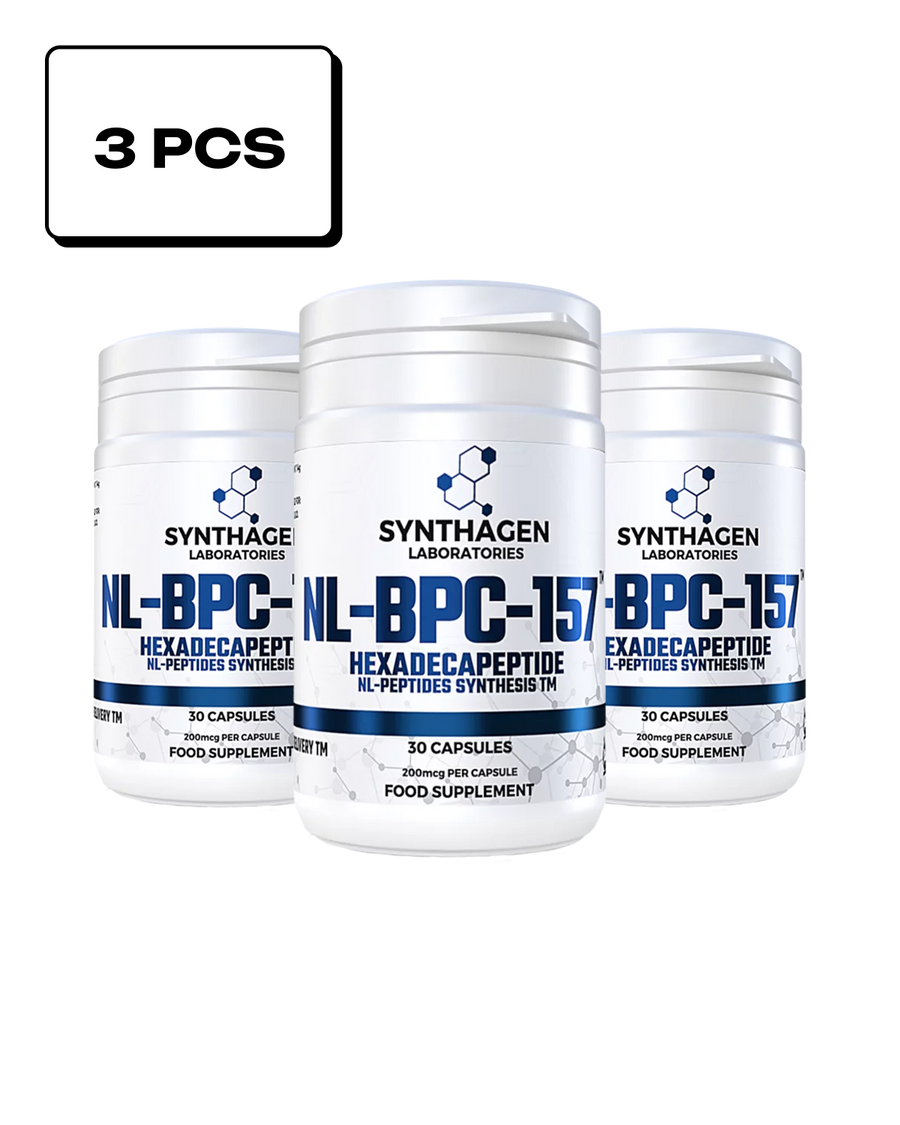
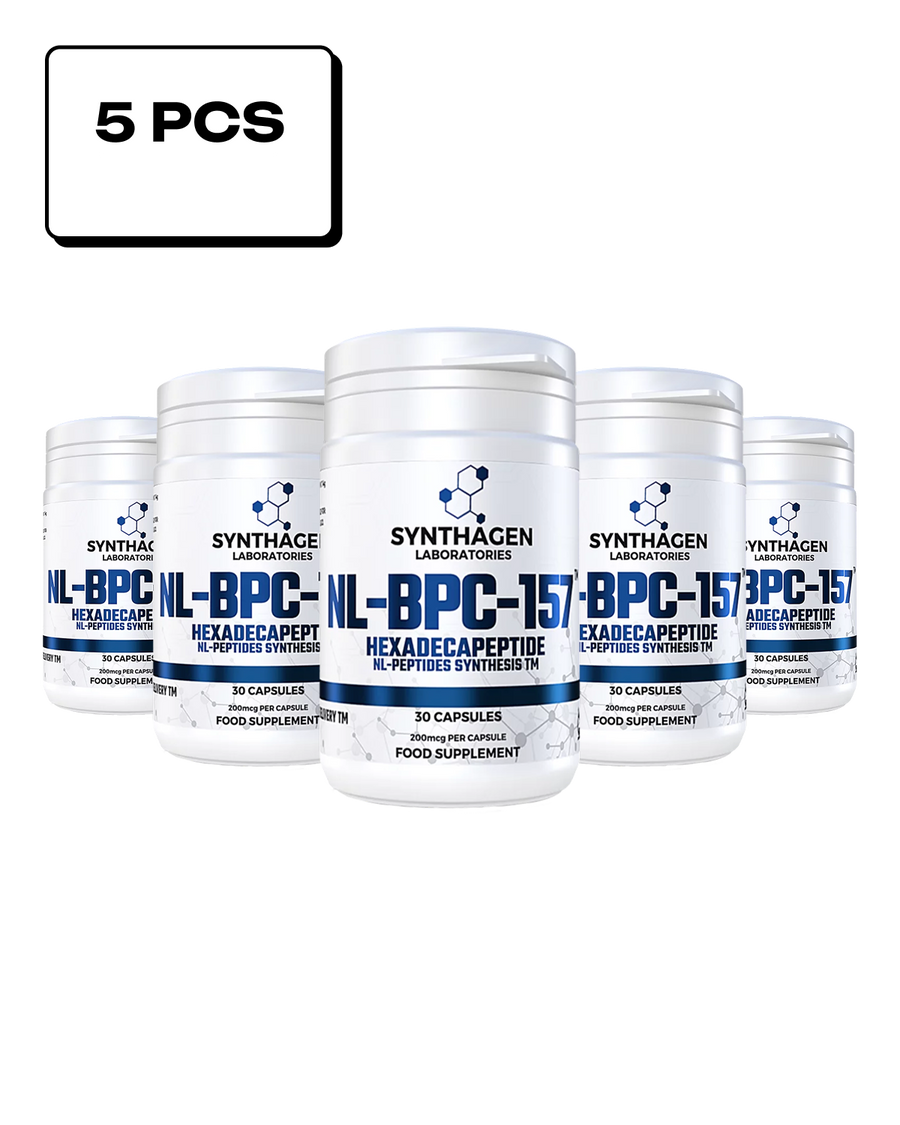
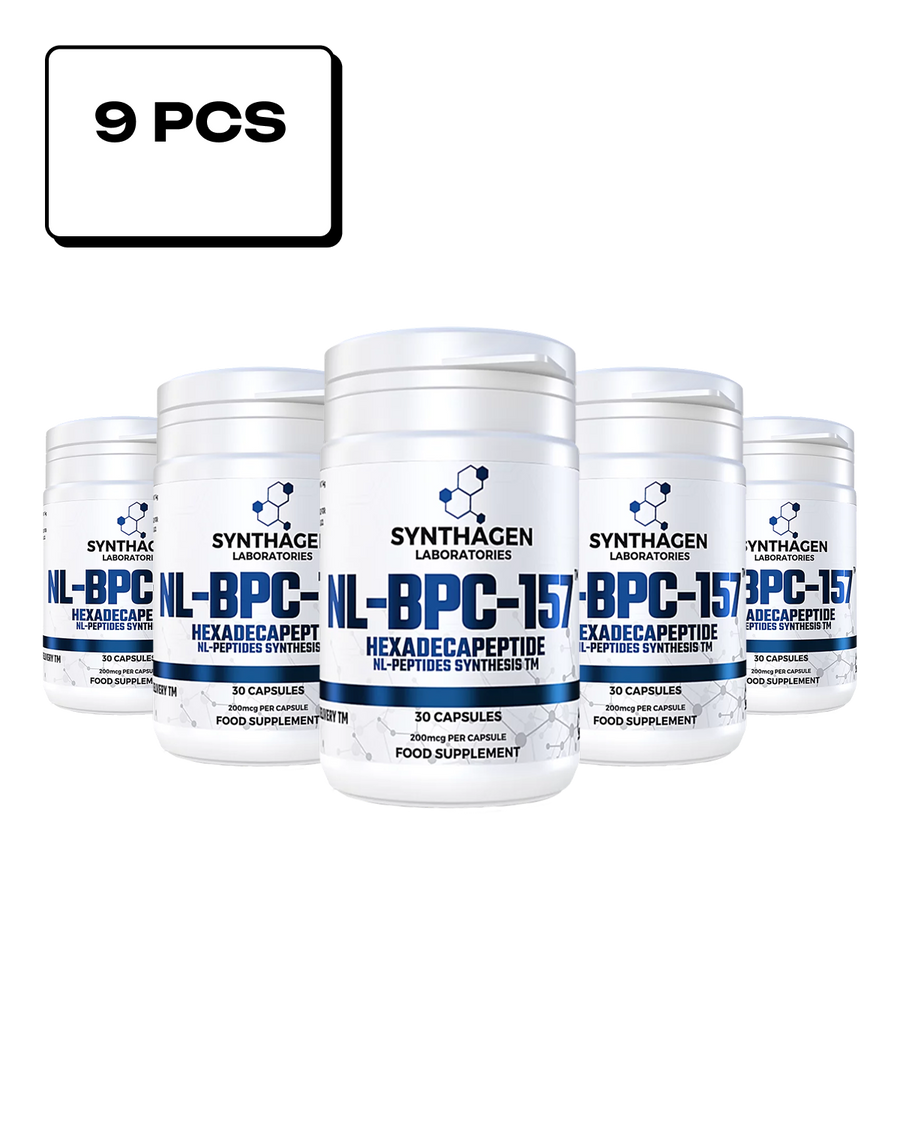
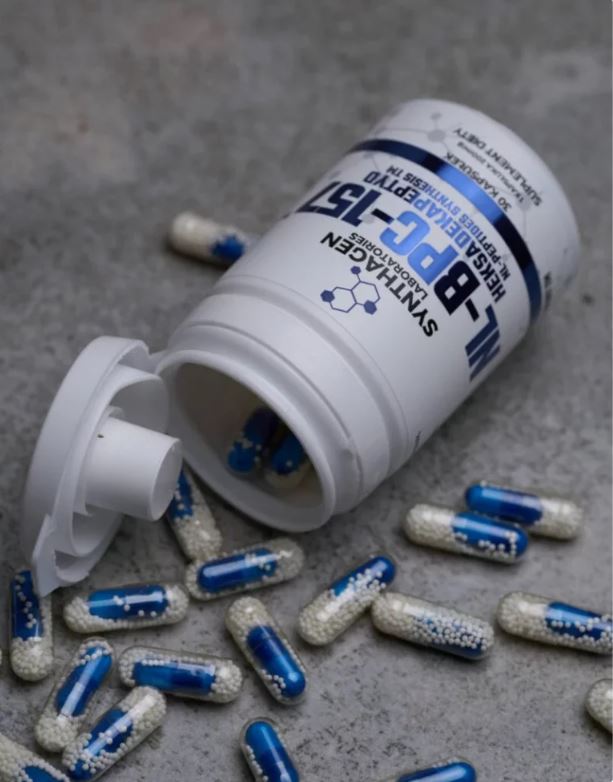
In the context of modern approaches to regeneration, there is increasing discussion about solutions that support the body’s natural repair mechanisms in a more targeted way than traditional supplementation. In this area, it is worth mentioning NL-BPC-157™, which was developed using NL-PEPTIDES™ technology as a modern form of peptide designed to support tissue regeneration.
This product was created for individuals who want to support the body’s regenerative processes after intense physical activity, injuries, or periods of increased training load. It may be an interesting solution for those looking for support not only for muscles, tendons, and bones, but also for the body’s natural repair processes in a broader sense.
NL-BPC-157™ may support, among other things:
- regeneration of muscles, tendons, and bones
- rebuilding tissues after microtrauma
- the body’s natural repair processes
- comfortable gastrointestinal function
As a result, it represents a modern approach to supporting body regeneration in a way focused on rebuilding and metabolic balance.
Summary
Body regeneration is a key process for health, physical performance, and returning to full activity after injuries or intense physical exertion. In this context, increasing attention is being paid to peptides for regeneration, which are analyzed for their potential influence on tissue rebuilding and support of the body’s natural repair mechanisms. This approach is becoming increasingly important today, especially as many people want to return to peak condition faster, but also more consciously and with greater emphasis on recovery quality.
One of the most frequently discussed compounds in this field is BPC-157 peptide, which in experimental studies is analyzed for its potential effects on the regeneration of muscles, tendons, ligaments, as well as support for wound healing and inflammation reduction. Thanks to this, BPC-157 remains one of the most interesting topics in the modern approach to body regeneration and supporting recovery after injuries and intense physical activity.
BPC-157 Peptide Sets Available at Synthagen Labs
FAQ – Frequently Asked Questions About BPC-157 Peptide and Body Regeneration
What are peptides for regeneration?
Peptides for regeneration are biologically active compounds made of short amino acid chains that may support the body’s natural repair processes. Their action mainly involves transmitting signals between cells, which may promote tissue rebuilding, muscle recovery after physical exertion, and support the body during rehabilitation after injuries or surgical procedures.
What is BPC-157 peptide?
BPC-157 (Body Protective Compound 157) is a peptide derived from a protein fragment naturally present in gastric juice. In experimental studies, it is analyzed for its influence on the body’s regenerative processes, including rebuilding muscle tissues, tendons, ligaments, and supporting gastrointestinal function. For this reason, it is often mentioned as one of the most interesting peptides for regeneration.
Can BPC-157 support recovery after injuries?
In many scientific analyses, BPC-157 peptide is discussed in the context of regenerating tissues damaged during injuries or training overload. Experimental studies analyze its potential influence on rebuilding muscles, tendons, and ligaments, as well as supporting the body’s natural repair mechanisms. For this reason, peptides for regeneration are increasingly discussed in the context of returning to full functionality after injuries.
Can BPC-157 support wound healing?
The wound healing process is complex and requires the involvement of many body systems. Studies analyze the potential influence of BPC-157 on tissue regeneration and cellular rebuilding processes. Therefore, this peptide is sometimes discussed in the context of supporting the body during rehabilitation and recovery after surgical procedures.
Do peptides for regeneration help after intense training?
Intense physical exertion causes microtrauma within muscles and soft tissues. The regeneration of these structures is a natural element of training adaptation. Peptides for regeneration, such as BPC-157, are often analyzed for their potential influence on supporting tissue rebuilding and improving conditions favorable for body recovery after exertion.
Can BPC-157 support inflammation reduction?
Inflammation is the body’s natural response to injury or tissue damage. Some experimental studies analyze the potential influence of BPC-157 peptide on regulating inflammatory processes and reducing swelling in damaged tissues. That is why it often appears in discussions regarding supporting body regeneration.


Safety of peptide use – facts vs myths
Antibiotics, stress and treatments – what happens to the digestive system?