 English



Regular exercise supports fitness and overall wellbeing, but training progress also depends on adequate recovery.
Sometimes people notice that muscle soreness lasts longer than expected, energy levels remain low, or performance begins to decline despite regular training. Slow recovery after training can result from several factors, including insufficient sleep, inadequate nutrition, dehydration, excessive training load and everyday stress.
Understanding these factors can help you adjust your routine and give your body enough time to recover.
What Does Slow Post-Workout Recovery Look Like?
Post-workout recovery is the period during which the body adapts to physical effort and restores its energy resources.
The recovery process varies from person to person depending on training intensity, fitness level, nutrition, sleep and overall lifestyle.
Common signs that more recovery may be needed include:
- muscle soreness that lasts longer than usual,
- persistent tiredness,
- reduced training performance,
- difficulty maintaining motivation,
- disturbed sleep,
- unusual stiffness or discomfort,
- increased irritability or reduced wellbeing.
These symptoms do not always indicate a specific medical problem, but they can be useful signals that your training and recovery balance needs attention.
What Can Cause Slow Recovery After Training?
1. Insufficient Sleep
Sleep plays an important role in physical and mental recovery.
During sleep, the body carries out many processes related to tissue maintenance, energy regulation and nervous system recovery.
Regularly sleeping too little or experiencing poor-quality sleep may therefore make it more difficult to feel fully recovered between training sessions.
2. Inadequate Nutrition
Training increases the body's energy and nutrient requirements.
A diet that does not provide enough calories, protein, carbohydrates, fats, vitamins or minerals may affect recovery and training performance.
Protein contributes to the maintenance and growth of muscle mass, while carbohydrates help restore glycogen used during exercise.
A balanced diet adapted to individual activity levels remains one of the foundations of effective recovery.
3. Dehydration
Hydration is important for normal physiological function and exercise performance.
Fluid losses increase during physical activity, particularly during longer or more intense sessions.
Maintaining adequate hydration before, during and after training can support normal physical performance and general recovery.
4. Excessive Training Volume or Intensity
More training is not always better.
When training load repeatedly exceeds the body's ability to recover, fatigue can accumulate and performance may begin to decline.
Alternating demanding sessions with lighter training or rest days can help maintain a more sustainable training routine.
5. Stress
Recovery is influenced by more than exercise alone.
Work pressure, poor sleep, emotional stress and other lifestyle factors can all contribute to overall fatigue.
When several sources of stress occur at the same time, the body may require more time between demanding workouts.
How to Improve Post-Workout Recovery
Effective recovery usually depends on several factors working together rather than a single technique or supplement.
Prioritise Sleep and Rest
Try to maintain a regular sleep schedule and create an environment that supports good-quality sleep.
Rest days are also important, particularly after demanding strength or endurance sessions.
Light movement such as walking may be suitable for some people on easier days.
Eat Enough Protein and Carbohydrates
A balanced diet can support training adaptation and recovery.
Protein requirements vary depending on activity level and training goals. Physically active individuals commonly require more protein than sedentary adults.
Carbohydrates are also important, particularly when training frequently, because they help replenish glycogen stores.
Instead of relying on a single post-workout meal, focus on adequate nutrition throughout the day.
Maintain Good Hydration
Drink regularly throughout the day and pay additional attention to fluid intake around training.
Fluid requirements vary according to body size, climate, exercise duration and sweating rate.
Adjust Training Load
If soreness or fatigue continually builds from one workout to the next, consider reducing training volume or intensity temporarily.
Programming easier sessions and rest periods can support consistency over the long term.
Use Active Recovery When Appropriate
Low-intensity activities such as:
- walking,
- light cycling,
- mobility work,
- gentle swimming
may help some people feel more comfortable between demanding sessions.
Recovery strategies should always be adjusted to individual tolerance.
What About Supplements?
Supplements can sometimes complement a balanced diet, particularly where there is an identified nutritional need.
However, they should not replace adequate sleep, nutrition, hydration or appropriate training programming.
Common sports nutrition products such as creatine or protein supplements have been studied extensively, although their usefulness depends on individual goals and dietary intake.
Other compounds, including experimental peptides, remain areas of ongoing research and should not be presented as proven solutions for faster post-workout recovery without adequate clinical evidence.
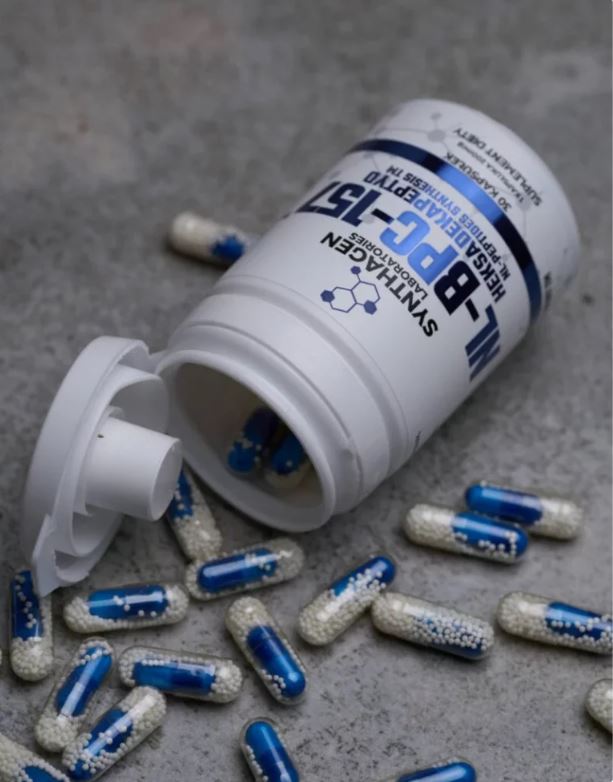
NL-BPC-157™ and Peptide Research
Peptides such as BPC-157 have attracted interest in experimental research related to biological and tissue processes.
However, much of the available evidence remains preclinical, and human research is still limited.
For this reason, it is more appropriate to discuss BPC-157 and related compounds in a research context rather than present them as proven methods for accelerating muscle recovery, preventing injury or improving physical performance.
Research into peptides continues to develop, and future studies may provide a clearer understanding of their biological roles.
When Should You Consider Professional Advice?
Occasional fatigue or muscle soreness can occur after demanding exercise.
However, if symptoms such as persistent fatigue, significant pain, reduced performance or sleep problems continue despite adequate rest, it may be useful to speak with an appropriate healthcare or sports professional.
Persistent or unusual symptoms should not simply be assumed to result from normal training fatigue.
Summary
Slow recovery after training can be influenced by sleep, nutrition, hydration, training load, stress and individual fitness levels.
The most reliable recovery strategies remain straightforward:
- adequate sleep,
- balanced nutrition,
- sufficient hydration,
- properly planned training,
- regular rest.
Supplements may complement these foundations in some circumstances, but they should not replace them.
A sustainable balance between training and recovery is often more valuable for long-term progress than continually increasing workout intensity.
FAQ
What can cause slow recovery after training?
Slow recovery may be associated with insufficient sleep, inadequate nutrition, dehydration, high training volume, stress or a combination of these factors.
How long does recovery after training take?
There is no single recovery time that applies to everyone. It depends on workout intensity, training experience, muscle groups involved, sleep, nutrition and individual factors.
Is muscle soreness always a sign of poor recovery?
No. Some muscle soreness after unfamiliar or demanding exercise can be normal. However, persistent or unusually severe soreness may indicate that additional rest is needed.
What helps recovery the most?
Consistent sleep, adequate nutrition, hydration and sensible training programming are among the most important recovery factors.
Can supplements speed up recovery?
Some well-studied nutritional supplements may support specific training goals, but supplements are secondary to sleep, nutrition and appropriate training. Experimental compounds should not be treated as proven recovery solutions.


BPC-157 and Regenerative Processes: What Does the Research Show?
Dosis de péptidos: qué factores se estudian y qué dice la investigación