 English


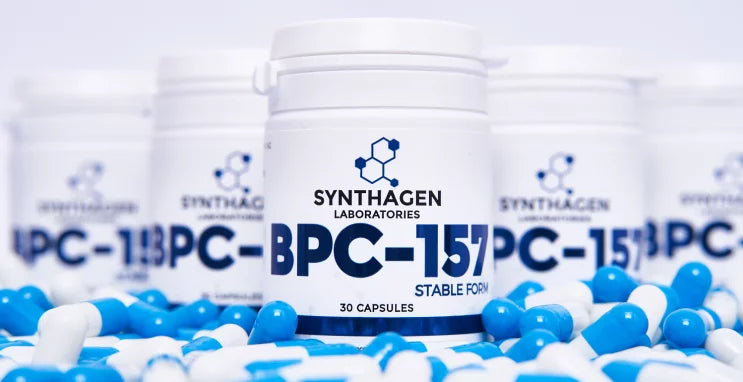
BPC-157 and Regenerative Processes: What Does the Research Show?
BPC-157 is a synthetic pentadecapeptide that has attracted scientific interest because of its potential involvement in a number of biological processes related to tissue response and regeneration.
Most of the available evidence, however, comes from laboratory and animal studies. Human research remains limited, which means that findings observed in experimental models should not automatically be interpreted as confirmed clinical effects.
Below, we look at some of the biological mechanisms that have been investigated in connection with BPC-157.
What is BPC-157?
BPC-157 is a peptide composed of 15 amino acids and is commonly discussed in scientific literature in connection with cytoprotection, tissue response and regenerative mechanisms.
Researchers have investigated its activity in several experimental models involving muscles, tendons, ligaments, bones and other tissues.
These studies have generated scientific interest, but BPC-157 remains an investigational compound and its effects in humans are not yet supported by extensive clinical evidence.
BPC-157 and angiogenesis
One area of research involving BPC-157 concerns angiogenesis, the biological process through which new blood vessels are formed from existing vessels.
Angiogenesis plays an important role in normal tissue maintenance and repair because blood vessels supply tissues with oxygen and nutrients.
Experimental studies have explored possible interactions between BPC-157 and pathways associated with vascular endothelial growth factor, commonly known as VEGF.
Some preclinical findings suggest that BPC-157 may influence signalling pathways involved in vascular response and tissue repair.
However, these observations have primarily been made in experimental models and do not establish a confirmed therapeutic effect in humans.
VEGF and regenerative processes
VEGF is an important signalling protein involved in the formation and maintenance of blood vessels.
During normal tissue repair, VEGF can contribute to vascular development around damaged tissue, helping create the biological environment required for the repair process.
Because of this relationship, pathways involving VEGF are frequently studied in regenerative biology.
Research involving BPC-157 has examined whether the peptide may interact with these pathways, but further clinical research is required to determine the relevance of these mechanisms in humans.
BPC-157 and cellular signalling
Another area investigated in experimental research is the interaction between BPC-157 and cellular signalling proteins.
One example is paxillin, a signalling protein associated with cell adhesion, migration and communication between cells and the extracellular matrix.
These processes are relevant to tissue organisation and repair.
Preclinical studies have suggested possible interactions between BPC-157 and signalling mechanisms involving paxillin, although the precise biological importance of these observations in humans remains uncertain.
Fibroblasts and collagen formation
Fibroblasts are cells that play an important role in maintaining connective tissue and producing components of the extracellular matrix, including collagen.
During normal tissue repair, fibroblast activity contributes to the structural rebuilding of damaged tissue.
Experimental research has explored whether BPC-157 may influence fibroblast-related processes and collagen organisation.
These findings are scientifically interesting, but they should be interpreted within the limitations of predominantly preclinical research.
What does current research tell us?
Research into BPC-157 has examined several biological mechanisms, including:
- angiogenesis and vascular signalling;
- VEGF-related pathways;
- fibroblast activity;
- collagen organisation;
- cellular migration and signalling;
- responses associated with tissue repair.
These mechanisms provide researchers with potential directions for further investigation.
However, there is an important distinction between identifying a biological effect in laboratory or animal models and demonstrating a safe and effective clinical treatment in humans.
Current human evidence for BPC-157 remains very limited.
Is BPC-157 proven to improve regeneration in humans?
At present, there is not enough high-quality clinical evidence to conclude that BPC-157 reliably accelerates tissue regeneration or healing in humans.
Most published findings supporting regenerative activity come from experimental models.
A small number of human studies have been reported, but the available clinical evidence is still insufficient to establish effectiveness, optimal dosing or long-term safety.
For this reason, BPC-157 continues to be regarded primarily as an investigational peptide.
Future research
The biological pathways associated with tissue regeneration are highly complex and involve signalling molecules, blood vessels, extracellular matrix components and numerous types of cells.
BPC-157 remains an area of scientific interest because of observations reported in experimental studies involving several of these pathways.
Future controlled clinical studies will be necessary to determine whether these findings can be translated into meaningful applications in humans.
Conclusion
BPC-157 has been investigated in experimental research for its possible interaction with biological mechanisms involved in tissue response and regeneration.
Research has explored pathways associated with angiogenesis, VEGF signalling, fibroblast activity, cellular communication and collagen organisation.
However, the majority of evidence currently comes from preclinical studies, while human research remains limited.
For this reason, claims regarding regenerative effects in humans should be interpreted cautiously until stronger clinical evidence becomes available.


Aminoacidi, proteine e peptidi: ruolo biologico e funzioni nell'organismo
Dosis de péptidos: qué factores se estudian y qué dice la investigación