 English


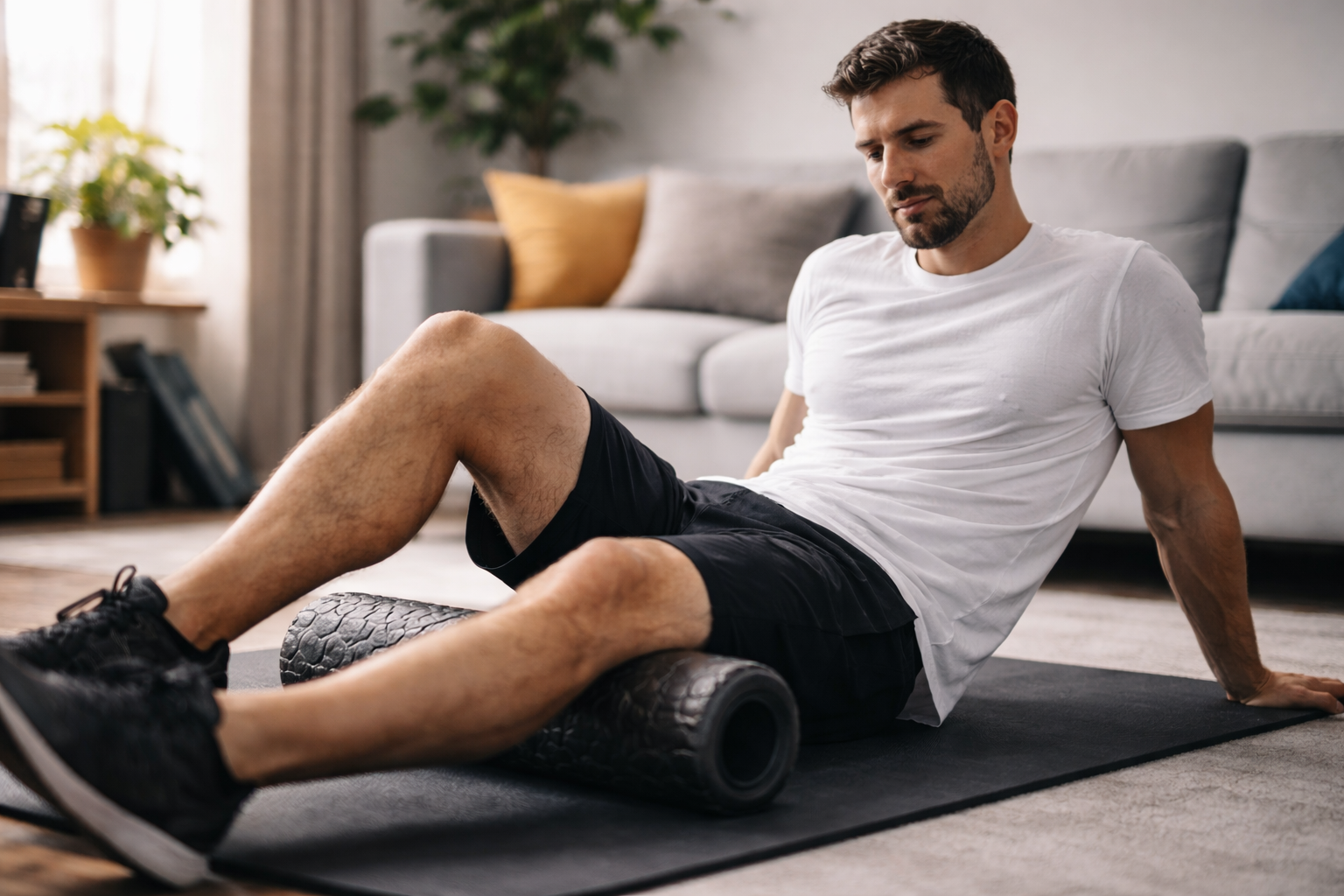
Muscle soreness appearing 24–72 hours after a workout is DOMS (Delayed Onset Muscle Soreness) – a natural response of the body to micro-damage in muscle fibers. It is not dangerous, but it can be effectively shortened.
- DOMS is the result of micro-injuries and inflammation – not lactic acid
- Active recovery (light movement) speeds up the relief of pain
- Foam rolling, heat/cold therapy, and diet have proven effectiveness
- A proper warm-up and gradual load progression are the best prevention
What Is DOMS and Where Does It Come From?
Anyone who has returned to the gym after a longer break or taken up new exercises knows the feeling: muscles don't start hurting right away, but only the next day – or even the day after. This phenomenon is called Delayed Onset Muscle Soreness (DOMS).
For decades, lactic acid was blamed. Today we know that's a myth – lactate is cleared from muscles within an hour after exercise. The real cause of DOMS is more complex.
What actually causes DOMS? Exercise – especially eccentric movements (e.g. lowering a weight, running downhill) – causes micro-damage to muscle fibers. The body responds with inflammation: an influx of immune cells and pain mediators irritates nerve receptors. The pain appears with a delay because the inflammatory cascade takes time to develop.
Why Does the Pain Appear with a Delay?
The repair process is initiated by prostaglandins and bradykinin – pro-inflammatory substances released at the site of micro-injury. Their concentration builds gradually over 24–48 hours, which explains why we feel peak pain a day or two after training, not immediately after.
Stages of the DOMS process:
- Micro-injury (0–2 h) – sarcomere ruptures, damage to cell membranes.
- Initiation of inflammation (2–12 h) – influx of neutrophils, release of cytokines.
- Peak pain – DOMS (24–72 h) – maximum concentration of inflammatory mediators, swelling.
- Recovery (72–120 h) – macrophages clean up debris, fibroblasts rebuild fibers.
- Supercompensation (5–10 days) – the muscle is stronger than before training.
What Helps with Post-Workout Muscle Soreness? Active Recovery
Although it may seem paradoxical, light physical activity is one of the most effective ways to get rid of post-workout muscle soreness (DOMS). It improves blood circulation, which speeds up the removal of metabolic waste products from muscles and delivers the necessary nutrients for repair.
Active recovery does not mean another heavy training session – it means movement at 30–50% of maximum intensity, which flushes muscles with fresh blood without causing new micro-injuries.
What forms of active recovery to choose?
- Easy jog or walk – 10–15 minutes of light running or walking. Possible the day after training. Improves circulation without burdening the muscles.
- Cycling – a low-intensity ride loosens up the legs and improves blood flow without overloading the joints.
- Swimming – unloads the joints and allows muscles to work in a low-gravity environment, which promotes recovery.
- Yoga or Pilates – controlled stretching and strengthening relaxes tense areas of the body.
Remember to keep the intensity low – the goal is to improve circulation, not to further strain the muscles.
How to Get Rid of Post-Workout Muscle Soreness? Massage and Foam Rolling
Self-massage, and especially foam rolling using a foam roller or ball, is an excellent way to reduce muscle tension and speed up recovery. Regular rolling helps loosen the fascia and improves muscle elasticity.
Benefits of massage and foam rolling:
- Tension reduction – breaks up trigger points and reduces muscle soreness.
- Improved flexibility – increases range of motion in joints, which pays off in subsequent training sessions.
- Increased blood flow – supports the delivery of nutrients and removal of metabolites.
- DOMS reduction – studies suggest a reduction in pain duration of approximately 24 hours with regular use.
Tip: If you don't have a roller, even a short hand massage of the sore areas can bring relief. Use circular motions for 2–3 minutes on each painful area.
Heat or Cold? Optimizing Recovery
Both heat and cold can be effective tools in combating muscle soreness – the key is matching the method to the situation.
Warm bath – relaxation and muscle loosening:
- Hot bath – relaxes tense muscles, improves circulation, and has a strong relaxing effect. Add Epsom salt (magnesium sulfate) – it supplies magnesium that supports muscle relaxation.
- Warm compresses – local application of heat (a hot water bottle, electric heating pad) to the sore area brings quick relief.
Cold compresses – swelling and acute pain:
- Cold compresses / cryotherapy – reduce swelling and inflammation. Most effective for severe, acute pain or suspected micro-injury. Apply for 10–15 minutes, not directly on the skin.
- Contrast shower – alternating 30 seconds of cold and 2 minutes of warm water improves peripheral circulation and may shorten recovery time.
| Method | When to use? | Effect |
|---|---|---|
| Hot bath with Epsom salt | in the evening after training or on day 1–2 | relaxation, improved circulation |
| Cold compress | for severe, acute pain and swelling | reduction of inflammation and swelling |
| Contrast shower | in the morning after a night's sleep | activation of circulation |
| Warm compress (hot water bottle) | for subacute pain on day 2–3 | muscle relaxation |
Supplementation as Support for Recovery
A proper diet is the foundation, but an intensively training body often needs additional support that food alone cannot provide at sufficient concentration and speed. This is where supplementation comes in – not as a replacement for healthy nutrition, but as its precise complement, working at the cellular level.
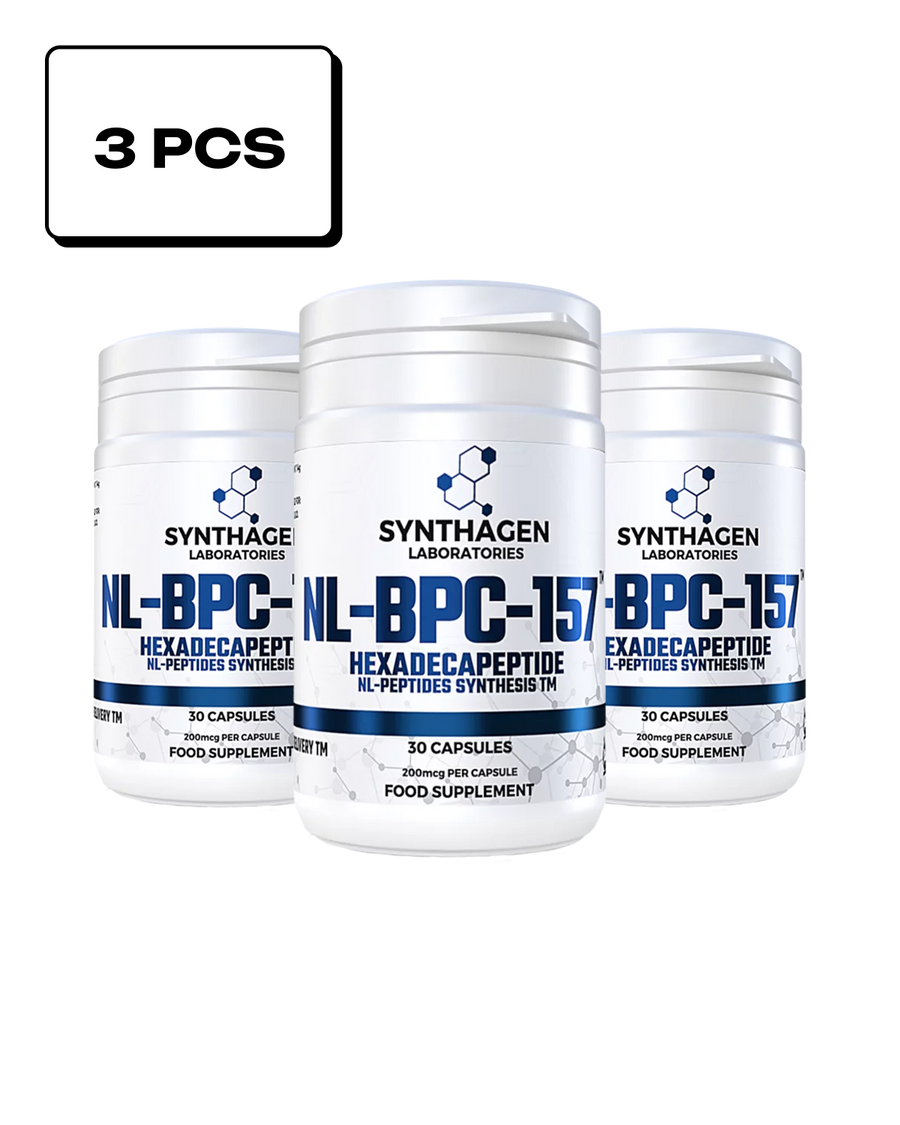
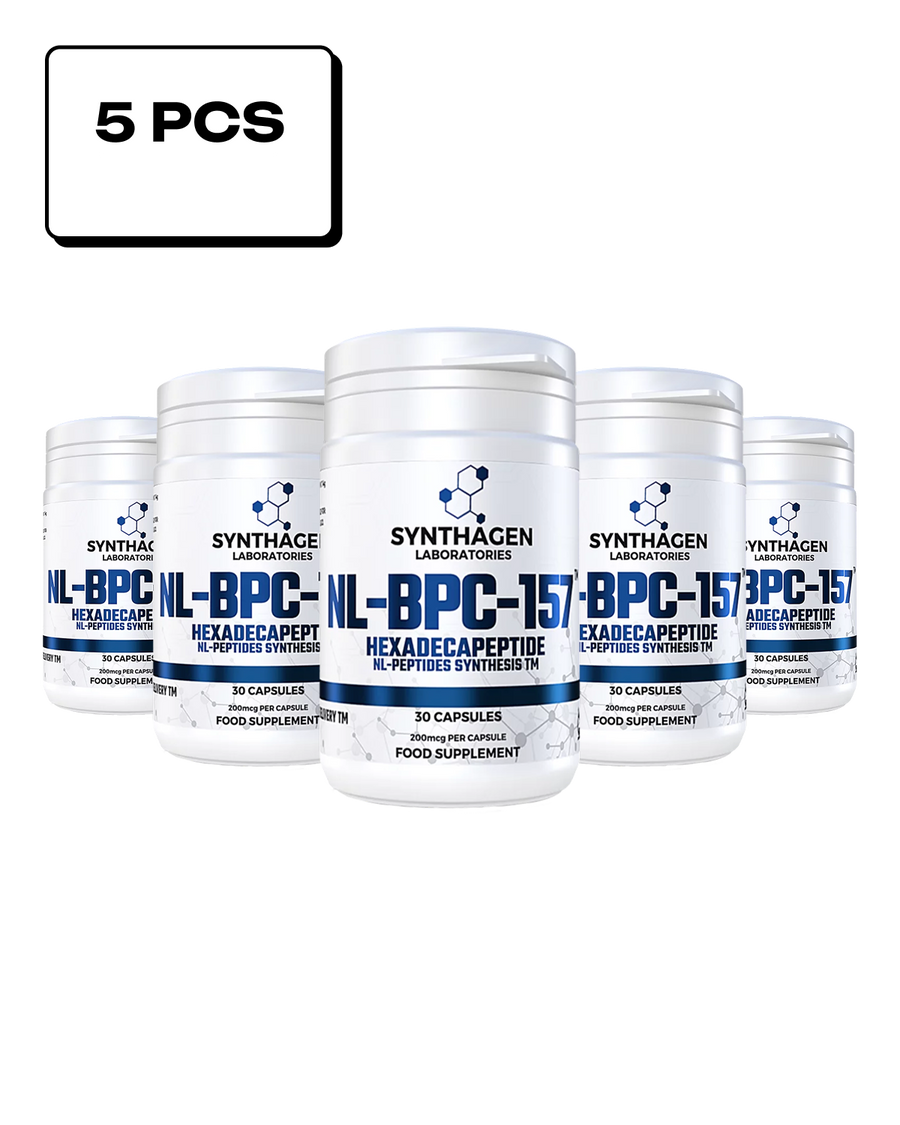
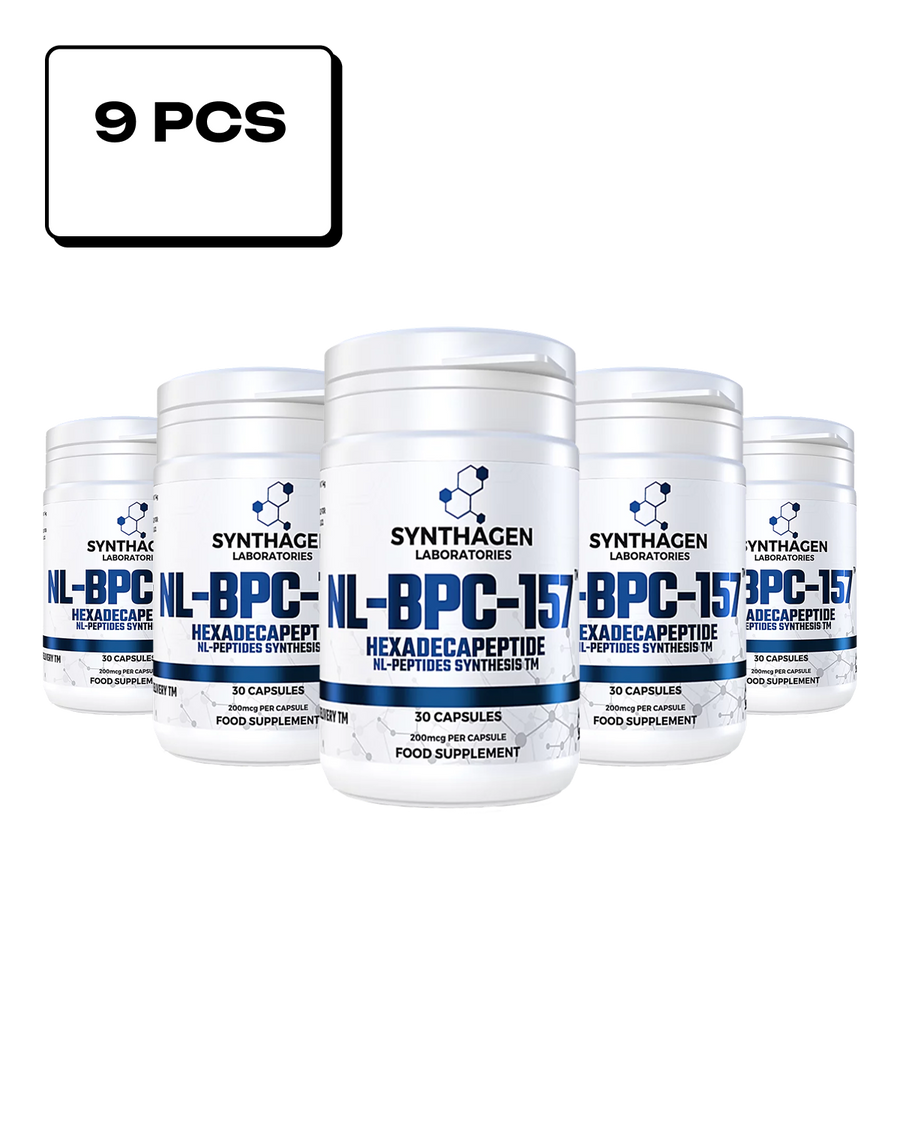
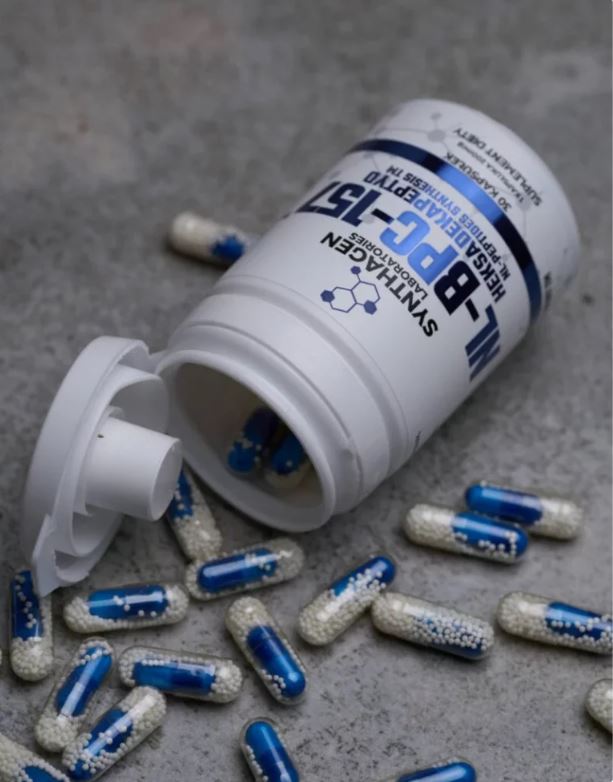
For actively training individuals, advanced formulas are available that can support the body's natural repair processes, tissue regeneration, and metabolic balance. Among the available solutions, particular attention is drawn to NL-BPC-157™ from Synthagen Labs – the world's first peptide in the patented NL-PEPTIDES™ technology, ensuring maximum stability, purity, and bioavailability. The product was created with the support of the body's natural repair processes in mind: tissue regeneration, immunity, and metabolic balance.
BPC-157 peptide works at the cellular level, supporting the renewal of muscles, tendons, and bones after intense physical effort. It helps shorten recovery time, increase resistance to micro-injuries, and accelerate the return to full fitness – even with prolonged training load or after overuse injuries.
Ointments and Gels: Fast External Relief
Topical preparations are a popular and quick way to address post-workout muscle pain without the need for a doctor's visit. They work by cooling, warming, or delivering anti-inflammatory substances directly to the sore area.
Types of preparations:
- Cooling ointments (menthol-based) – provide an immediate sensation of coolness and numbing. Ideal for fresh, intense pain.
- Warming ointments (capsaicin) – increase blood flow and relax muscles. Better for chronic tension, not immediately after training.
- Anti-inflammatory preparations – containing diclofenac (OTC), comfrey, laurel oil, or hemp extracts – support the reduction of inflammation in tissues.
Note: Ointments and gels are supporting measures, not treatments for the underlying cause of pain. Always follow the manufacturer's instructions. For persistent severe pain or swelling, consult a physiotherapist.
Diet and Hydration: Fuel for Recovery
What you eat and drink after training has a direct impact on the speed of recovery and the intensity of DOMS. Below are the key elements of a diet supporting muscle rebuilding:
- Hydration – drink at least 0.5 l of water immediately after training and evenly throughout the day. Dehydration of 2% of body weight can intensify muscle pain and slow down recovery.
- Protein – 20–40 g of high-quality protein (lean meat, eggs, dairy products, legumes, protein supplements) within a 0–2 hour window after training stimulates muscle protein synthesis.
- Cherry juice – research indicates that Montmorency tart cherry juice has anti-inflammatory properties and can reduce the intensity of DOMS by up to 20%. It is worth incorporating into the post-workout routine.
- Antioxidants – blueberries, spinach, broccoli, turmeric – combat the oxidative stress generated during exercise and support repair processes.
Preventing Muscle Soreness: Better to Prevent Than Treat
The best way to get rid of post-workout muscle soreness is to prevent it from becoming excessive. A few simple habits can drastically reduce discomfort after exercise:
- Warm-up (5–10 min) – dynamic exercises prepare the muscles for work, increase blood flow, and reduce the risk of micro-injuries. Never skip the warm-up.
- Cool-down and static stretching – a few minutes of gentle stretching after training helps gradually lower the heart rate and loosen tense muscles. Do not stretch cold muscles before training.
- Progressive load increases (the 10% rule) – do not increase weekly volume or intensity by more than 10% at a time. Progression should be thoughtful and patient.
- Sufficient sleep (7–9 h) – it is at night, during deep sleep, that growth hormone is released, stimulating muscle rebuilding. Sleep is the most powerful recovery tool.
- Planning rest days – at least 1–2 days free from intense training per week is a necessity.
Remember: DOMS decreases with adaptation. The more regularly you train, the less muscle soreness will catch you off guard. This is the repeated bout effect – the muscle remembers the stress and prepares better for it.
Summary
Post-workout muscle soreness is not something to be ashamed of or a sign of weakness – it is a natural, biological signal that your body is working and rebuilding. DOMS is part of the adaptation process and, over time with regular training, will appear less frequently and with lower intensity.
What is crucial, however, is not leaving your body alone in this process. Active recovery, foam rolling, appropriate heat or cold therapy, a balanced diet rich in protein and antioxidants, and smart supplementation – all of these are tools that genuinely shorten the time to return to full fitness and reduce discomfort between training sessions. It is also worth considering support at the cellular level – NL-BPC-157™ from Synthagen Labs is a solution designed for those who take recovery seriously.
Remember a few key principles: never skip the warm-up, progress loads gradually, sleep long enough, and listen to your body. Recovery is not wasted time – it is part of training, just as important as the exercises themselves.
BPC-157 Peptide Sets Available at Synthagen Labs
FAQ – Frequently Asked Questions
How long does post-workout muscle soreness (DOMS) last?
DOMS typically peaks between 24 and 72 hours after exercise and resolves on its own within 3–5 days. With a very intense, new training stimulus it can persist for up to 7 days.
Should you exercise when your muscles are sore?
Light activity (active recovery) is recommended and speeds up the resolution of DOMS. However, avoid intense training of the same muscle group until the pain subsides – you risk overtraining and injury.
What about medication for post-workout muscle soreness?
Ibuprofen and naproxen (NSAIDs) effectively relieve muscle pain, but used regularly they can inhibit training adaptations. A better choice is a combination of active recovery, massage, diet, and supplementation (magnesium, omega-3, cherry juice, BPC-157 peptide).
Is muscle soreness a sign that the workout was good?
Partly yes – DOMS indicates that the muscles received a new, stimulating input. However, the absence of pain after training does not mean it was ineffective. Experienced athletes rarely experience strong DOMS thanks to the adaptation effect.
How to get rid of post-workout muscle soreness as quickly as possible?
Combine: active recovery (walking, cycling), foam rolling, a warm bath with Epsom salt, and intake of protein with antioxidants. Avoid lying still – this paradoxically prolongs the pain.


Peptides for regeneration – how do they support repair processes in the body?
The intestines and the regeneration of the whole organism – a connection that is not talked about