 English



In the world of fitness and sport, enormous attention is paid to training intensity, training plans, and diet. Paradoxically, however, one of the most important elements of progress is often overlooked – post-workout rest. It is precisely during recovery that the body rebuilds muscle fibers, replenishes energy stores, and prepares itself for the next effort.
Why Is Recovery So Important for Training Progress?
During training – particularly strength training – micro-damage to muscle fibers occurs. This is a natural element of the body's adaptation process. It is only during recovery that the body repairs this damage, strengthens muscle structures, and prepares itself for greater loads in the future.
That is precisely why post-workout rest is not a waste of time, but an integral part of the training process. Without adequate recovery, the body has no opportunity to rebuild tissues, and the muscles remain overloaded and fatigued.
How Much Time Do You Need to Recover? Tailor Your Rest to Your Training
Although the general rule refers to 24–48 hours of recovery, the actual time needed for rest depends on many factors, such as training intensity, fitness level, and the size of the muscle group being trained. The table below presents approximate guidelines for rest periods.
| Type of muscle group | Examples of muscles | Recommended recovery time |
|---|---|---|
| Small muscle groups | abs, calves, forearms | approximately 24 hours |
| Medium muscle groups | biceps, triceps, shoulders | 24–48 hours |
| Large muscle groups | back, chest, legs | 48–72 hours |
| High-intensity full-body training | FBW training, very heavy strength sessions | up to 72 hours |
What Affects the Speed of Muscle Recovery?
The speed of recovery is influenced by many factors that are often overlooked when planning training. One of the most important is sleep, because it is during deep sleep that the body intensively rebuilds muscle tissues and produces hormones that support recovery.
Equally important is a proper diet, rich in protein, carbohydrates, and healthy fats. Stress levels also play a significant role – prolonged stress can raise cortisol levels, which hinders muscle recovery and reduces the body's capacity for training adaptation.
Listen to Your Body – When Is It Worth Extending Your Rest?
The body often sends clear signals that it needs more time to recover. Ignoring these signals can lead to overtraining and a decline in performance.
- Intense DOMS: Delayed onset muscle soreness typically appearing 24–72 hours after training. If the pain interferes with everyday functioning, it is worth considering an additional day of rest.
- Chronic fatigue: A lack of energy and a drop in motivation for training are signals that the body needs more time to recover.
- Sleep problems: Deteriorating wellbeing or more frequent infections may indicate insufficient rest.
- Decline in performance: If training results are worsening despite regular sessions, the cause may be an insufficient recovery period.
Supplementation Supporting Recovery: Modern Solutions for Active People
In addition to diet and lifestyle, supplementation can play a key role in improving recovery and the overall health of the muscular system. More and more people are turning to products that support tissue rebuilding, shorten the time needed to return to form, and support the body's natural repair processes. One such product is BPC-157 peptide – a modern peptide that supports tissue regeneration and the health of the musculoskeletal system.
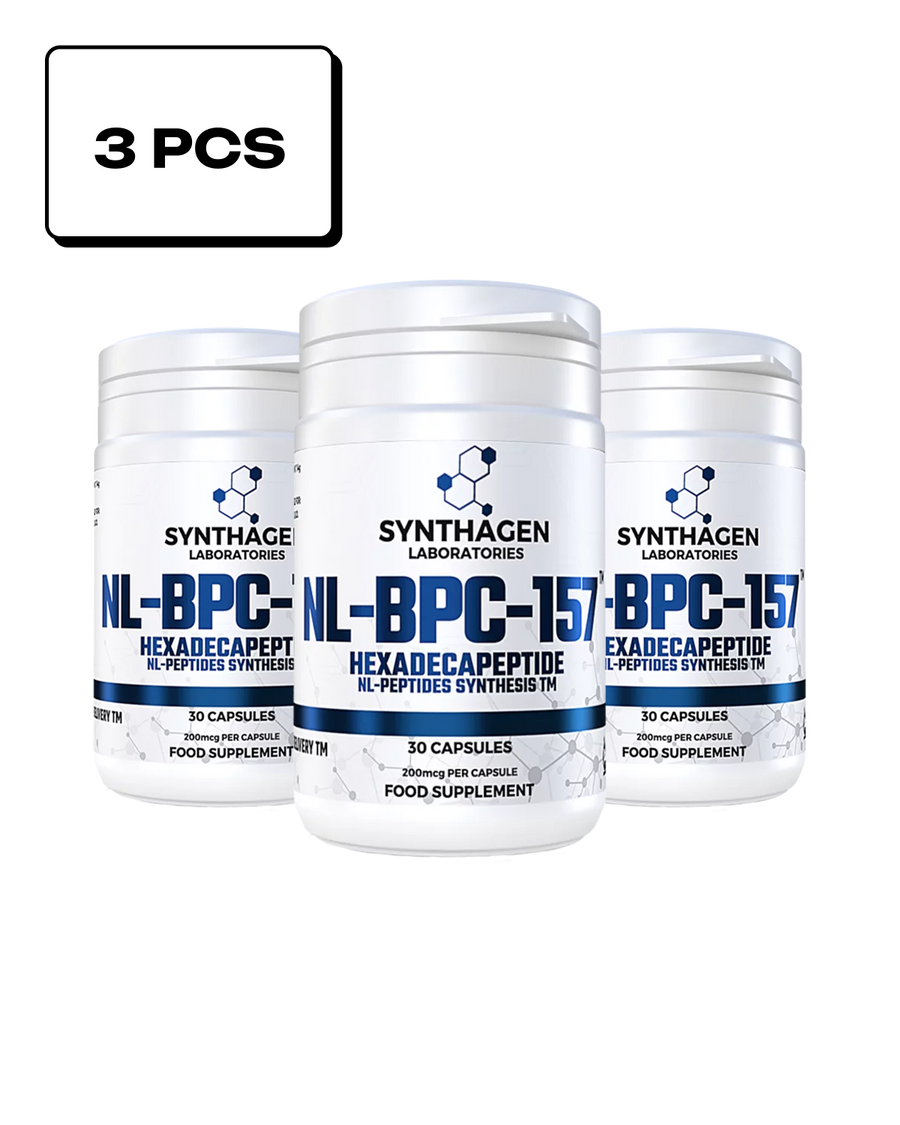
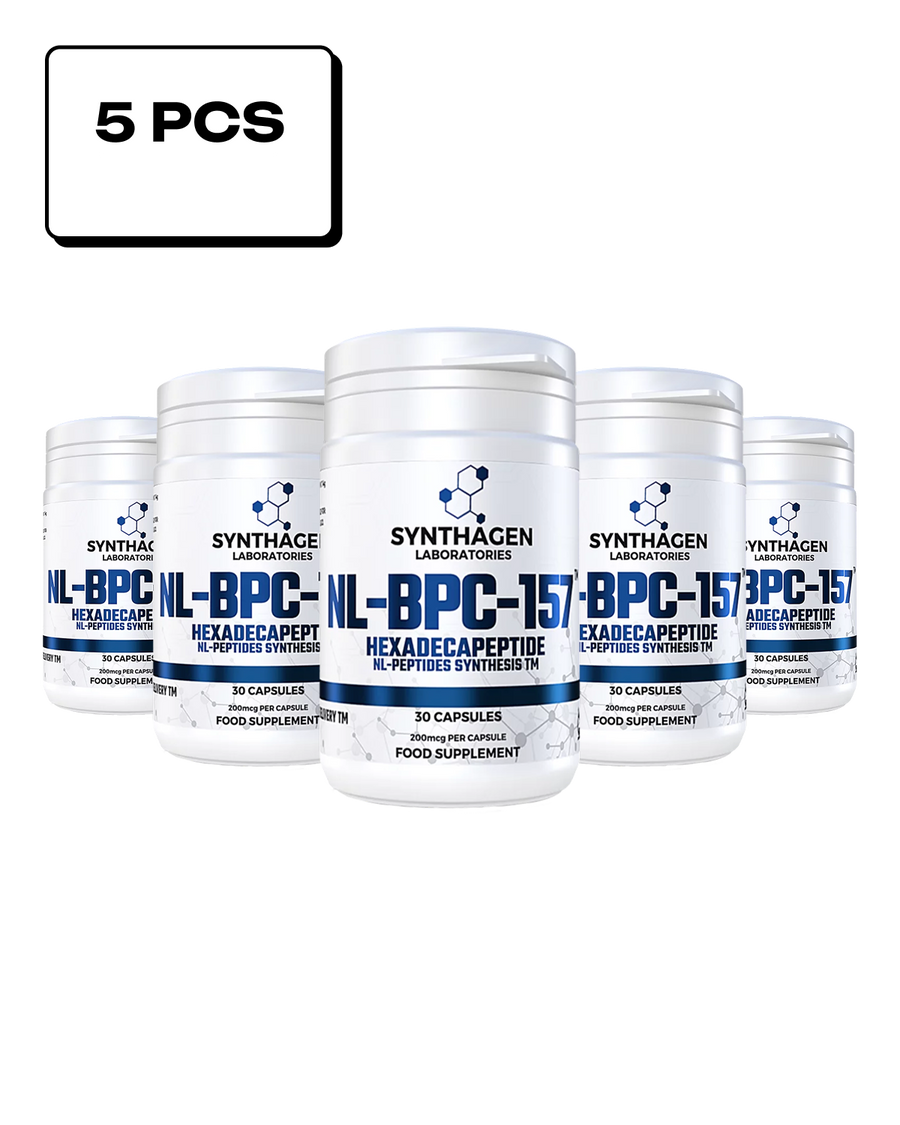
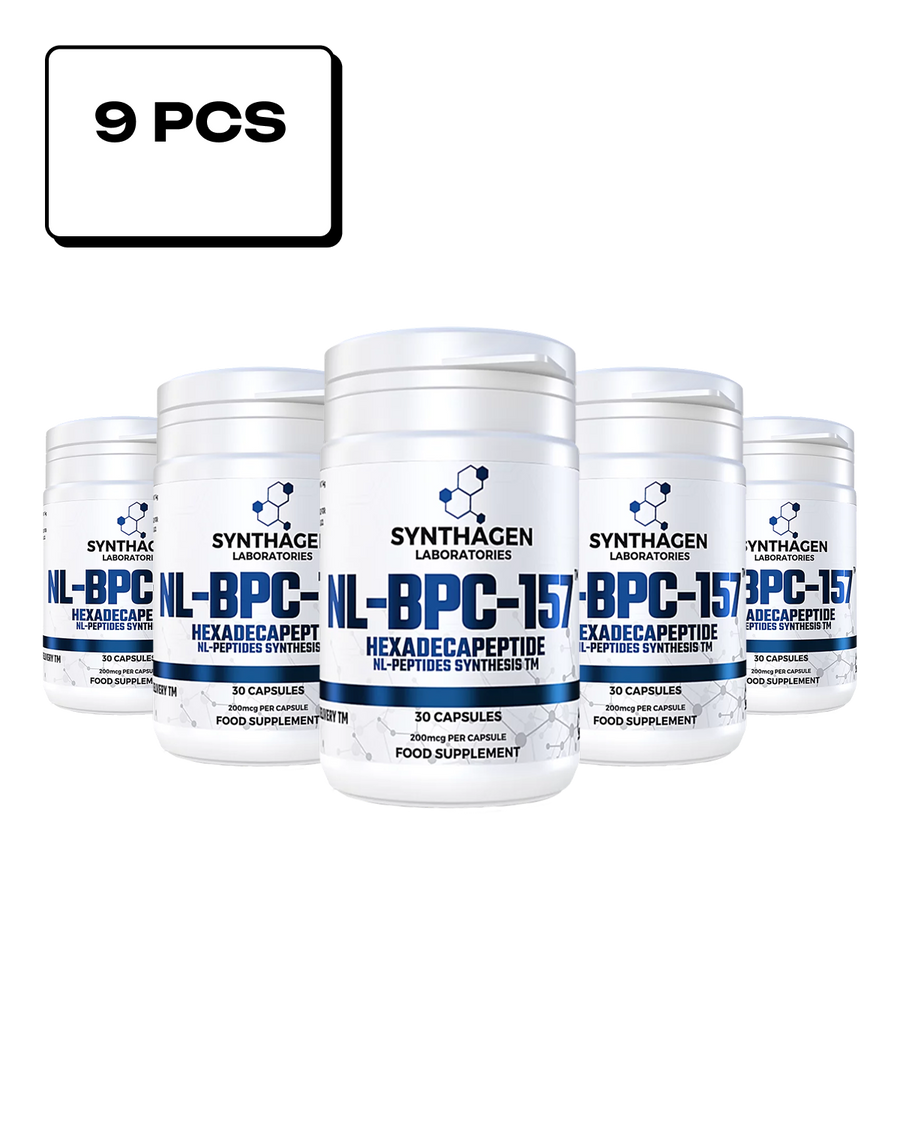
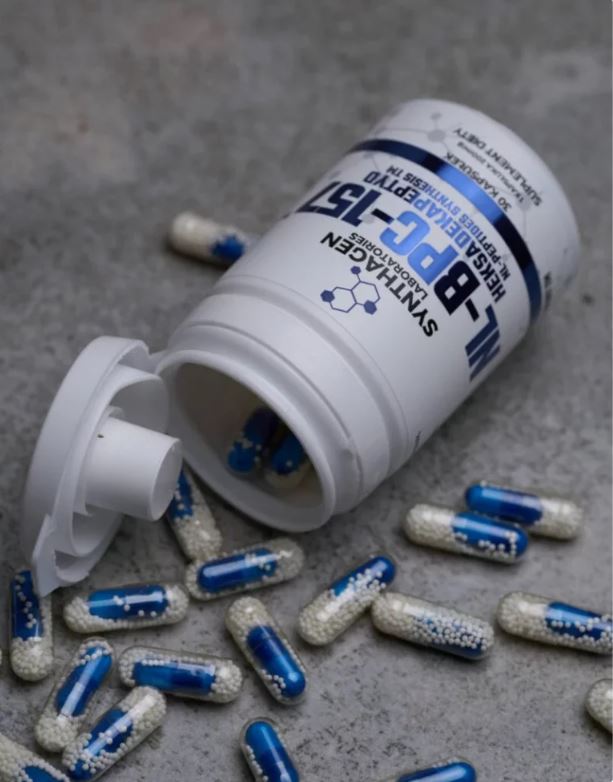
NL-BPC-157™, or the Hexadecapeptide, is an innovative product developed using the patented NL-PEPTIDES™ technology, ensuring maximum stability, purity, and bioavailability. The BPC peptide works at the cellular level, supporting the renewal of muscles, tendons, and bones after effort, and may also help shorten post-workout recovery time and increase resistance to micro-injuries.
If you train regularly and want to genuinely support post-workout rest, appropriate supplementation can be an effective solution aiding the body's natural recovery.
Summary
Although many people focus primarily on training intensity, true physical development only occurs during recovery. Conscious planning of rest periods, taking into account the size of the muscle groups being trained and the intensity of the effort, can significantly improve training effectiveness. Listening to the signals sent by the body and responding appropriately to fatigue is one of the most important elements of long-term progress. In practice, this means one thing: rest is not a break from training – it is part of it.
BPC-157 Peptide Sets Available at Synthagen Labs
Frequently Asked Questions (FAQ)
Is post-workout rest really that important?
Yes, post-workout rest is one of the most important elements of an effective training plan. It is during recovery that the body rebuilds muscle fibers, replenishes energy stores, and adapts to the effort. Without adequate rest, muscles have no opportunity for full rebuilding, which can lead to a decline in performance and an increased risk of injury.
How long should post-workout recovery take?
The standard post-workout recovery time is 24 to 48 hours, but this can vary depending on training intensity and the size of the muscle groups trained. Small muscle groups may recover more quickly, while large muscle groups such as the back or legs often need as much as 48–72 hours of rest.
What most accelerates muscle recovery?
The greatest influence on recovery comes from sleep, proper diet, hydration, and well-planned training. Light activities on rest days, stretching, massage, and sauna can also be helpful. In some cases, well-chosen supplementation may provide additional support.
What is NL-BPC-157™ and how can it help with recovery?
NL-BPC-157™ is an innovative peptide that supports the regeneration of muscle tissues, tendons, and bones. Thanks to the patented NL-PEPTIDES™ technology, NL-BPC-157™ works at the cellular level, shortening the time needed to return to full fitness and increasing resistance to micro-injuries. The product is particularly recommended for physically active individuals who train regularly and intensively.
How can you tell if your body needs more rest?
If chronic fatigue, a decline in performance, a lack of motivation for training, sleep problems, or persistent muscle pain appear, this may indicate that the body does not have sufficient post-workout recovery time. In such a situation, it is worth taking an additional rest day and allowing the body to fully recover.


Peptides for regeneration – how do they support repair processes in the body?
The intestines and the regeneration of the whole organism – a connection that is not talked about