 English


In recent years, peptides have gained enormous interest both in the scientific community and among people who consciously care about their health, recovery, and performance. They are increasingly being discussed as a solution “in between” traditional supplements and medications, because their effects can be more targeted than many standard dietary support products. It is precisely this “middle ground” that makes the topic so intriguing and raises so many questions.
For many people, peptides are synonymous with a modern approach to prevention and regeneration—especially in areas such as tissue repair after exercise, maintaining skin condition, and supporting cognitive function. If you are wondering what peptides do, the key is understanding what they actually are and how they work in the body.
What Are Oral Peptides and What Do They Do?
Peptides are short chains of amino acids—they can be thought of as “smaller fragments” of proteins that serve signaling functions in the body. Their purpose is not to provide calories or classic macronutrients, but rather to send information to cells, triggering specific biological responses. Simply put: peptides can act as messengers that “tell” the body in which direction to support its natural renewal processes.
After ingestion, peptides may influence mechanisms related to protein production and regeneration, and their potential effects depend on the specific type and dosage. This is why the answer to the question what peptides do is not one-dimensional—their role may involve both supporting recovery and improving the body’s overall “biological performance.”
Main Benefits of Using Peptides
Peptides show a broad spectrum of effects because many biological processes in the body are interconnected. By supporting one mechanism—such as tissue regeneration—they may simultaneously influence overall body condition. The most commonly highlighted areas in which peptides may support the body include:
- Skin health and anti-aging processes: Supporting natural collagen and elastin production, improving skin elasticity and structure.
- Joint and tissue regeneration: Supporting natural tissue repair processes and movement comfort after strain.
- Muscle recovery and physical performance: Helping rebuild muscle fibers after intense exercise and shortening recovery time.
- Nervous system function and stress resilience: Supporting neuron regeneration, reducing mental fatigue, and improving concentration.
It is worth remembering that results may depend on lifestyle, recovery, nutrition, and consistency of use. Peptides are best viewed as one piece of a larger puzzle, not a standalone solution.
Skin Health and Anti-Aging Effects
One of the best-known areas of peptide action is supporting skin condition. Many peptides support natural processes related to collagen and elastin production—the proteins responsible for firmness, elasticity, and skin structure. In practice, this may contribute to improved density, better hydration, and a more even texture.
A good example is NL-GHK-CU™, which supports skin repair and renewal processes while helping improve elasticity and tone. The GHK-Cu peptide activates natural collagen and elastin production, helping maintain a younger skin structure. Additionally, it supports hair and nail health by improving scalp microcirculation and strengthening nail structure.
Joint and Tissue Regeneration
The musculoskeletal system is particularly vulnerable to strain—both from intense physical activity and natural aging processes. This is why tissue regeneration has become one of the most discussed topics in the context of peptides.
In this context, it is worth mentioning GHK-CU Peptide, which may support tissue regeneration and healing processes after injuries or procedures. This peptide supports the body’s natural repair mechanisms and may help reduce inflammation while promoting the regeneration of skin and other soft tissues.
Muscle Building and Sports Recovery
In the sports world, peptides generate particular interest due to their potential support for recovery processes. Intense physical exertion causes microdamage to muscle fibers, which require proper rebuilding.
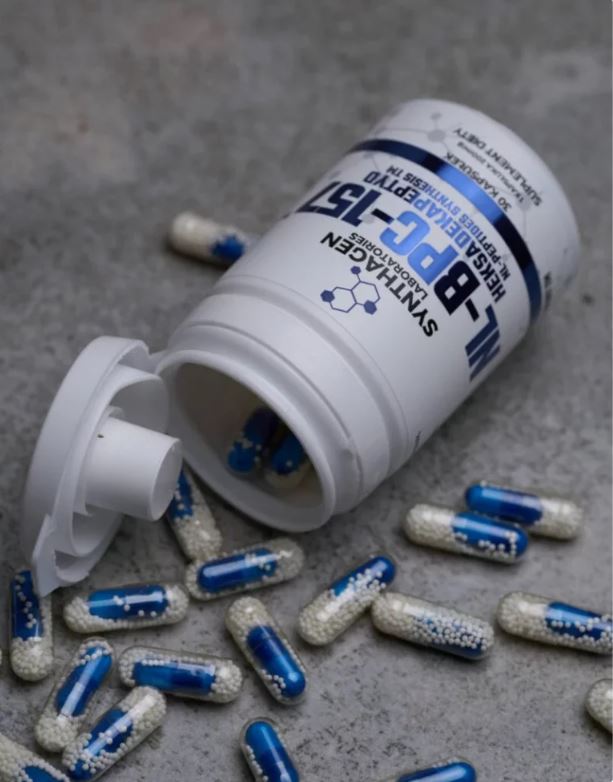
In this area, BPC-157 Peptide is increasingly discussed for its ability to support the regeneration of muscles, tendons, and bones after intense exercise. It works at the cellular level, supporting natural tissue renewal processes. As a result, the BPC peptide may help shorten recovery time, increase resistance to micro-injuries, and support a faster return to full performance after demanding training sessions.
Systemic Effects
Some peptides may support the body more broadly by influencing the function of multiple systems at once. In this area, SEMAX Peptide stands out for supporting neuron regeneration and neurochemical balance. This may help reduce mental fatigue while supporting cognitive processes such as concentration and memory.
Additionally, Semax may support the body’s resistance to stress and mood stability, helping maintain natural energy levels and productivity throughout the day.
Why Are Peptides Becoming More Popular?
The growing popularity of peptides comes from their unique mechanism of action. Unlike many traditional supplements, they may act more precisely by influencing specific biological processes in the body. At the same time, they are made of amino acids—the same building blocks naturally present in the human body and used to create proteins. Because of this, many people see them as a solution that supports the body in a more natural and physiology-compatible way.
Summary
Peptides are increasingly regarded as a modern tool for supporting regeneration and overall body function. As short chains of amino acids, they act as biological messengers that may support natural tissue renewal processes and the regulation of many bodily functions. Answering the question what peptides do, several key areas can be highlighted: supporting tissue regeneration, improving skin condition, assisting muscle recovery, and supporting cognitive function and stress resilience. Although peptide research is still evolving, they already represent an interesting addition to a health-focused lifestyle strategy.
Explore Our Peptide Sets Available at Synthagen Labs


Frequently Asked Questions (FAQ)
Do peptides work faster than traditional supplements?
Many people believe peptides may work more specifically than traditional dietary supplements because they function as biological signals in the body. However, this does not mean immediate results—consistency, lifestyle, and overall body condition all matter. Peptides are best viewed as part of a long-term strategy for recovery and health maintenance.
Are peptides safe?
Peptides are made of amino acids, the basic building blocks of proteins in the human body. Because of this, many of them are well tolerated. However, every supplement should be used according to the manufacturer’s instructions, and if you have concerns or chronic conditions, consulting a specialist is recommended.
How long does it take to notice results from peptides?
The time needed to notice effects varies depending on the peptide type and intended use. For support of recovery or cognitive function, initial changes may become noticeable after a few weeks of regular use. Processes related to tissue regeneration or skin improvement usually require more time and consistency.
Can peptides support concentration and brain function?
Some peptides are specifically designed to support cognitive function. One example is NL-SEMAX™, which supports concentration, memory, and processing speed. It may also support nervous system regeneration and help reduce mental fatigue, which can be especially useful during periods of intense intellectual work or stress.
Can peptides support post-workout recovery?
Yes, many people use peptides specifically in the context of physical recovery. NL-BPC-157™ may support the natural regeneration of muscles, tendons, and bones, helping the body return to full performance faster while increasing resilience to micro-injuries.
Can peptides support skin and hair health?
Some peptides are especially valued for skin regeneration and improving skin structure. NL-GHK-CU™ supports natural collagen and elastin production, helping improve elasticity and firmness. It also supports scalp microcirculation, which may benefit hair condition, and helps strengthen nail structure.
Can peptides support digestive health?
Some peptides are also discussed in the context of digestive comfort and intestinal lining regeneration. NL-BPC-157™ may support natural regenerative processes in the digestive system, helping improve intestinal barrier integrity and tissue renewal.
Can peptides be combined with other supplements?
In many cases, peptides can be used together with other health-supporting supplements such as vitamins, minerals, or amino acids. However, it is important to remember that the foundation always remains a healthy diet, proper recovery, and a balanced lifestyle. Supplementation—including peptides—should be treated as a complement to these fundamentals.


Safety of peptide use – facts vs myths
Antibiotics, stress and treatments – what happens to the digestive system?