 English



Sleep Supplements After Intense Workouts: What May Support Better Sleep Quality?
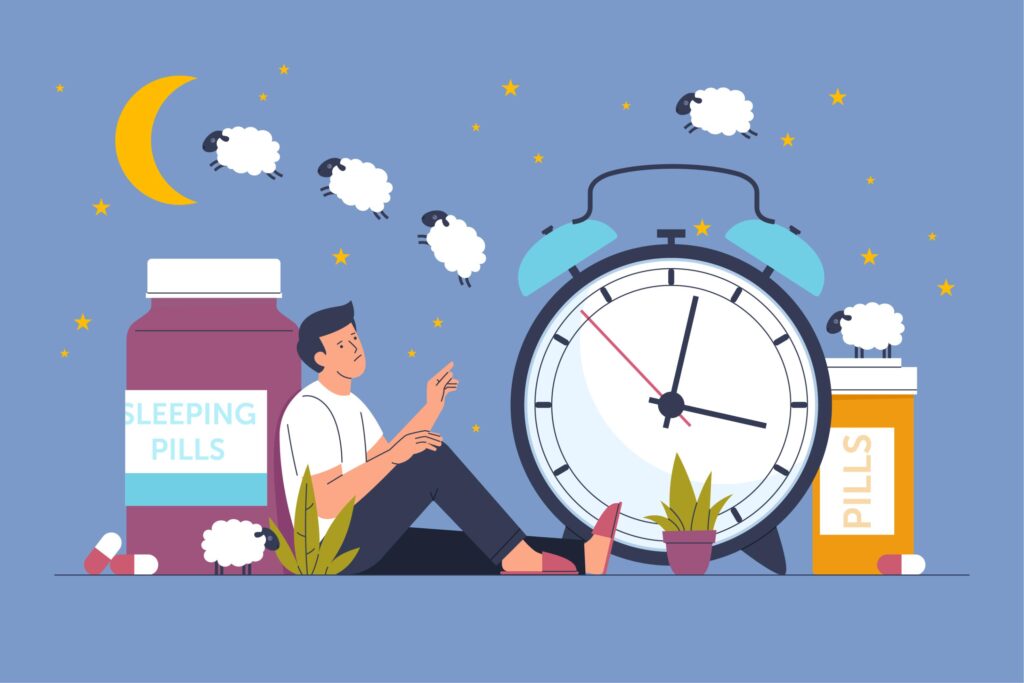
Intense training challenges both the body and the nervous system. While regular physical activity is generally associated with many health benefits, demanding or late training sessions may leave some people feeling physically tired but mentally alert when it is time to sleep.
Quality sleep is an important part of recovery. During sleep, the body carries out processes involved in tissue recovery, energy regulation and normal nervous-system function.
Alongside good sleep habits, some people also explore nutritional supplements or emerging research compounds in relation to relaxation, recovery and sleep.
Why can it be difficult to sleep after an intense workout?
Sleep after exercise can be influenced by several factors, including training intensity, exercise timing and individual sensitivity.
Possible factors include:
- Temporary physiological stimulation: Intense activity can temporarily increase heart rate, body temperature and nervous-system activity.
- Physical fatigue and muscle tension: A demanding workout may leave the body needing additional time to unwind.
- Exercise timing: Very intense training performed close to bedtime may affect sleep in some individuals, although research does not show that evening exercise automatically worsens sleep for everyone.
- Individual recovery needs: Training load, stress, diet and existing sleep habits can all influence how easily a person falls asleep.
For this reason, post-workout recovery should be approached as a combination of appropriate training, nutrition, hydration, rest and consistent sleep habits.
SELANK and NL-SELANK™ in peptide research
Peptides are increasingly studied for their potential roles in different biological processes.
SELANK is a synthetic peptide that has primarily been investigated in research relating to anxiety and nervous-system activity. Small clinical studies have explored its anxiolytic properties, but research remains limited and these findings should not be interpreted as proof that SELANK improves sleep or treats insomnia.
NL-SELANK™ represents a modified peptide formulation developed within the broader field of peptide research.
Changes to peptide structure may influence characteristics such as stability and biological activity, but specific effects need to be demonstrated through appropriate research.
At present, claims that SELANK or NL-SELANK™ directly improve deep sleep, treat chronic insomnia or accelerate post-training recovery should be interpreted cautiously.
Supplements commonly associated with sleep support
In addition to emerging peptide research, several nutritional ingredients are commonly discussed in relation to relaxation and sleep.
Magnesium
Magnesium contributes to normal muscle and nervous-system function.
Research specifically evaluating magnesium supplements for insomnia or sleep quality remains limited and results are mixed. It may therefore be more appropriate to view magnesium as an essential nutrient rather than a guaranteed sleep aid. NCCIH
Melatonin
Melatonin is a hormone naturally involved in regulating the sleep-wake cycle.
Supplemental melatonin may be useful in some circumstances, particularly for conditions such as jet lag or shift-work-related sleep disruption. Research also suggests that it may modestly reduce the time needed to fall asleep in some people, although it is not considered a universal solution for chronic insomnia. NCCIH
Ashwagandha
Ashwagandha is an adaptogenic botanical ingredient often used in products designed for stress and relaxation.
Some research suggests that certain ashwagandha preparations may support sleep and stress management, although the evidence varies depending on the formulation, dose and study population. NCCIH
L-theanine
L-theanine is an amino acid naturally found in tea leaves and is often included in relaxation-focused formulations.
It is being studied for its possible influence on relaxation and stress responses, but individual results may vary and it should not be considered a treatment for sleep disorders.
How to support sleep after intense exercise
Instead of relying on one supplement or compound, sleep quality is usually better supported through a combination of healthy recovery habits.
These may include:
- maintaining a consistent sleep and wake schedule;
- allowing time to unwind after intense training;
- avoiding excessively stimulating activity immediately before bedtime if it affects your sleep;
- maintaining appropriate hydration and nutrition;
- keeping the bedroom dark, quiet and comfortable;
- limiting caffeine later in the day;
- allowing adequate recovery between demanding training sessions.
People who experience persistent sleep difficulties should consider discussing them with a qualified healthcare professional.
Why good sleep matters for training and recovery
Sleep plays an important role in overall health and physical recovery.
Adequate sleep can support:
- normal muscle recovery;
- cognitive performance and concentration;
- mood and emotional well-being;
- energy levels;
- normal training adaptation and recovery.
However, supplements should be viewed as only one possible part of a broader recovery strategy rather than a substitute for sufficient sleep, nutrition and appropriate training.
Summary
Intense workouts can influence sleep differently from person to person, particularly when training volume, intensity or timing changes.
Good sleep hygiene, appropriate recovery and balanced nutrition remain the foundation of healthy sleep after exercise.
Ingredients such as magnesium, melatonin and ashwagandha are commonly discussed in relation to sleep, although the strength of evidence varies between them.
SELANK and NL-SELANK™ are also subjects of peptide research, but available evidence does not currently justify strong claims that they improve sleep, treat insomnia or guarantee faster post-workout recovery.
As research continues to develop, distinguishing between preliminary findings and clinically established effects remains essential.
Explore more Synthagen Labs articles about recovery, sleep and peptide research.
Explore related products in our Mind, Memory & Concentration collection.
Read also
This article is for educational purposes only and does not replace medical advice. The studies described concern the substances, not finished products.
More in Brain & Stress


Not sure where to start?
3 quick questions. We’ll show you where to start and what it costs.