 English



In recent years, peptides have become one of the most dynamically developing categories of active substances supporting the body's natural processes. Their popularity stems from their unique structure and ability to interact with specific cellular pathways. A growing body of research and observations suggests that certain peptides may support natural regenerative processes, improve metabolic balance, and indirectly support cellular detoxification mechanisms.
What is cellular detoxification?
Detoxification is a complex set of processes through which the body neutralizes and eliminates unnecessary or harmful metabolic byproducts. This includes antioxidant activity (neutralizing excess free radicals), regulation of oxidative stress (maintaining the balance between free radicals and antioxidants), support of mitochondrial function (the cellular "powerhouses" responsible for energy production), and maintenance of proper intercellular communication (efficient signal transmission between cells). Peptides may act as regulators of these processes, supporting the body's natural ability to maintain biological balance.
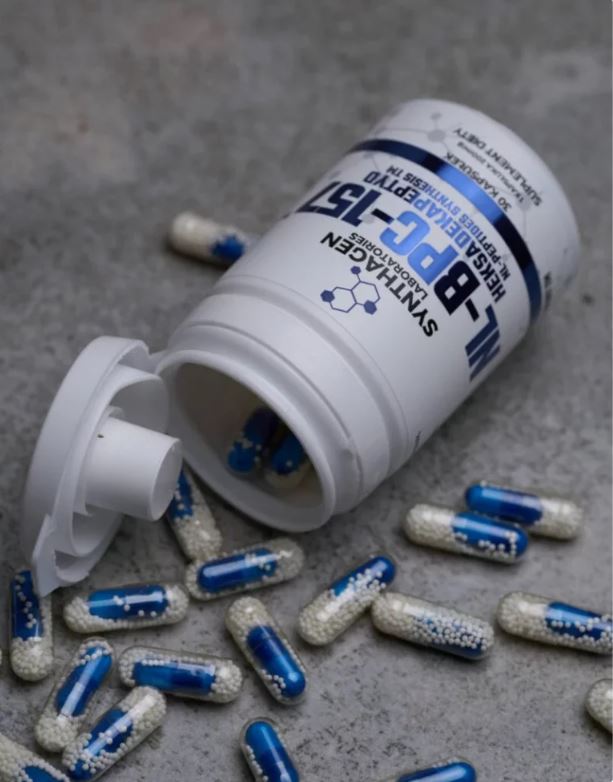
NL-BPC-157™ (Hexadecapeptide) – a peptide with a broad spectrum of activity
One of the most interesting peptides in the context of supporting cellular processes is NL-BPC-157™, also known as the hexadecapeptide.
In laboratory studies, this peptide has demonstrated properties that support:
- cellular balance and tissue regeneration processes,
- cellular resilience to oxidative stress,
- the proper course of repair processes.
Due to its regulatory properties, NL-BPC-157™ is frequently cited as a peptide that supports the body's natural mechanisms, including those related to cleansing and maintaining metabolic balance. It is not a therapeutic substance; however, its influence on cellular stability may support the harmonious functioning of the entire organism.
Other peptides supporting natural detoxification
Glutathione (tripeptide GSH)
Glutathione, composed of three amino acids, is one of the key endogenous antioxidants. It supports cellular protection against free radicals and participates in the neutralization of harmful metabolites. Although it occurs naturally in the body, its levels decline with age, stress, and exposure to toxins.
L-Glutathione Peptide Blends
Specially formulated glutathione peptide blends may help the body maintain redox balance (i.e., the balance between the formation of "harmful" molecules and their neutralization) and protect cells from oxidative stress, which indirectly influences cleansing processes.
LL-5 Amino Peptide Complex
Peptide complexes based on short amino acid chains may act as regulators of detoxification enzyme activity and support cells in maintaining proper homeostasis (the internal equilibrium essential for their correct functioning).
Mitochondrial peptides (e.g., MOTS-c)
Peptides acting in tissues with high energy demands may support mitochondrial function — organelles that are key to detoxification processes, energy production, and the neutralization of free radicals.
Peptides and natural detoxification – what does this look like in practice?
Peptides do not act like typical supplements or cleansing preparations. Their action is focused on regulating cellular function and supporting the natural processes the body carries out on its own every day. As such, they may be an interesting option for individuals who care about biological balance, regeneration, and vitality.
It is worth emphasizing that peptides do not replace a healthy diet, physical activity, or a balanced lifestyle. However, they may form part of a comprehensive approach to cellular health.

FAQ
1. Can peptides "detoxify" the body?
Peptides are not detoxifying agents in the medical sense and do not replace detoxification therapies. However, they may support the body's natural processes responsible for maintaining metabolic balance and cellular resilience. As a result, cells may function more efficiently, and the body may be better equipped to eliminate unnecessary metabolic byproducts. Peptides should be regarded as a supporting element of natural homeostasis, rather than as standalone "detoxification."
2. What sets NL-BPC-157™ apart?
NL-BPC-157™ is a hexadecapeptide with a broad spectrum of potential activity, known for its properties that support regenerative processes and cellular stabilization. It is frequently studied in the context of supporting the body's natural repair mechanisms. Its use may contribute to improved tissue condition and cellular health. It is important to note, however, that this peptide is not a drug and its action does not replace medical therapies.
3. Are peptides safe?
The safety of peptide use depends on their origin, product quality, and method of use. Products should come from verified sources in order to avoid the risk of contamination or improper concentration. It is also important to follow dosage guidelines. Use in accordance with the intended purpose minimizes potential risks and allows for safe utilization of the peptides' properties.
4. Can peptides be combined?
Combining different peptides in research or experimental protocols is practiced, but requires a clearly defined objective and knowledge of how each compound works. Improper combinations may lead to undesirable interactions or a lack of the expected effect. For this reason, any decision to combine peptides should be carefully considered and ideally consulted with a specialist. Appropriately chosen combinations may support the body's natural processes in a more comprehensive manner.
5. Do peptides have therapeutic effects?
Commercially available peptides are not drugs and are not intended for diagnosing or treating diseases. Their function is to support the body's natural mechanisms, such as tissue regeneration and the improvement of intercellular communication. Peptides should be used in accordance with the product's intended purpose and the manufacturer's recommendations. They should not be treated as a substitute for medical therapy or as a cure for any disease.


NL-Epithalon in the supportive therapy of obesity treatment
Biological processes behind hair loss