 English



Recovery after orthopedic surgery is a key process that determines the effectiveness of treatment and the return to full mobility. In recent years, increasing attention has been given to the potential support that peptides may provide. These short chains of amino acids are involved in many biological processes, including tissue repair. Can they really accelerate healing after orthopedic surgery? Let’s take a closer look at the facts.
How do peptides work and why can they support regeneration?
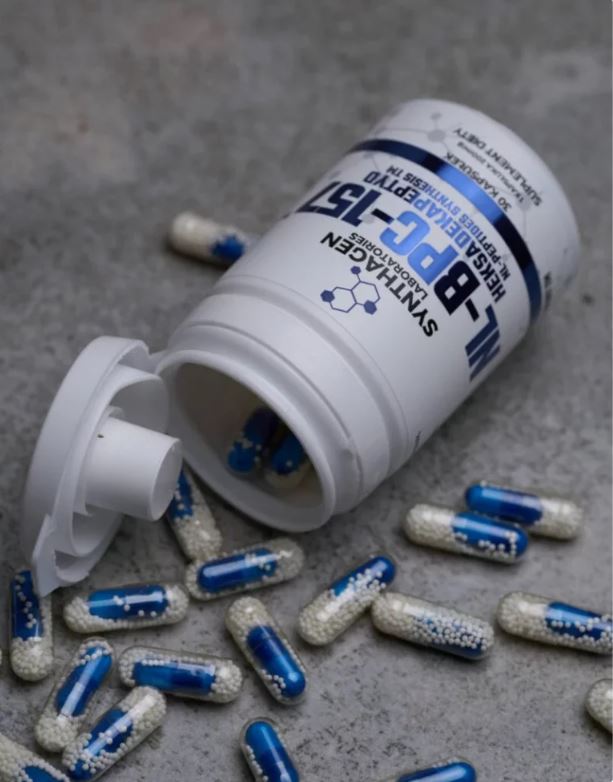
Peptides are biological regulators that influence various body functions, including repair processes. Their effects depend on their type and structure, and some of them are capable of stimulating wound healing, reducing inflammation, and regenerating tendons, ligaments, and cartilage. In the context of orthopedic surgery, particularly interesting are those that support the rebuilding of connective tissue, reduction of inflammation, and improved blood supply to damaged areas. One of the most well-known peptides in this field is BPC-157, which shows supportive effects in the regeneration of soft tissues and bone. Studies suggest that its use may accelerate the repair of tendons and ligaments, as well as support angiogenesis, the formation of new blood vessels. Additionally, some peptides may support collagen production, which is crucial for the strength and elasticity of tissues.
Is there scientific evidence for the effectiveness of peptides in orthopedics?
Research on peptides in orthopedics and tissue regeneration is still developing, but the results are promising. In laboratory tests, BPC-157 has demonstrated the ability to accelerate healing of muscle, ligament, and bone injuries. Its mechanism of action is based on improving microcirculation, reducing inflammation, and activating growth factors responsible for tissue repair. In addition to BPC-157, studies indicate potential benefits of peptides such as TB-500, which may support wound healing and muscle regeneration. Another promising compound is GHRP-6, which may influence growth hormone production, which plays a key role in repair processes.
Is peptide use safe?
Peptide use is generating significant interest, but safety is a key concern. Like any biologically active substance, they may cause side effects, especially when used improperly. Potential side effects include
- allergic reactions
- changes in hormone levels
- effects on the immune system
Therefore, before starting supplementation, it is recommended to consult a doctor who can assess the risks and determine the appropriate dosage.
Product quality is also highly important. The safety of peptide use depends on their source, so only products from reputable laboratories should be chosen. It is advisable to avoid unreliable sources and products of unknown origin that may contain contaminants or incorrect concentrations of active substances.
What are the alternatives to peptides in orthopedic regeneration?
Although peptides appear to be a promising support in recovery after orthopedic surgery, there are also other proven methods for accelerating healing and returning to full function. Physiotherapy and rehabilitation remain key elements of treatment, ensuring gradual restoration of function in operated tissues. A proper diet rich in protein, vitamins C and D, and minerals such as zinc and magnesium can also positively influence the body’s regeneration.

It is also worth mentioning modern biological therapies such as platelet-rich plasma (PRP) and stem cells, which aim to accelerate the reconstruction of damaged tissues. Although their effectiveness is still being studied, they are increasingly used as a complement to traditional treatment methods.


Safety of peptide use – facts vs myths
Antibiotics, stress and treatments – what happens to the digestive system?