 English


Abstract: The peptide BPC-157, exhibiting a broad spectrum of activity, is also applied in the proper functioning of the cardiovascular system. Therapy with this peptide helps alleviate symptoms of cardiovascular diseases or completely eliminate them. The preventive profile of BPC-157 allows it to be defined as a substance with cardioprotective properties.
Keywords: cardiovascular system; treatment; BPC-157 therapy; heart; blood vessels; capillaries; artery; vein; cardiovascular diseases; plasma; erythrocytes; leukocytes; blood; oxygen; transport; functions; diabetes; coronary artery disease; arterial hypertension; varicose veins; atherosclerosis; concentration; dose; vasodilation; cardioprotection;
List of abbreviations: ACE – angiotensin-converting enzyme inhibitors; ACh – Acetylcholine; ARB – angiotensin receptor blockers; BPC – Body Protection Compound; CVD – prevention of cardiovascular diseases; PE – polyethylene;
Material and research methods: Studies conducted on laboratory animals, male and female rats. BPC-157 therapy in the cardiovascular system. Cardioprotective effects of the peptide and its application in metabolic diseases.
Cardiovascular System
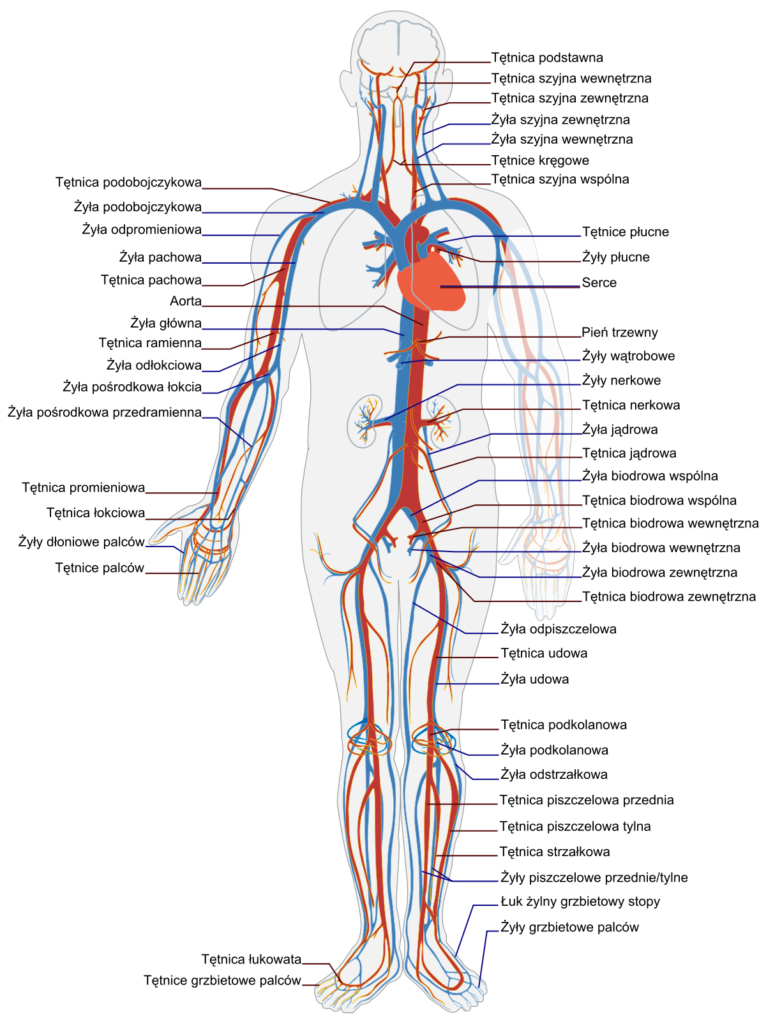
Structure of the cardiovascular system The cardiovascular system, also known as the circulatory system, consists of the heart, veins, arteries, and capillary blood vessels. Due to its extensive structure, the circulatory system forms a complex, closed system performing specific functions. Moreover, the cardiovascular system includes the blood itself, which contains plasma, erythrocytes, and leukocytes. A diagram of the circulatory system structure allows us to visually recall its components and facilitates understanding of the influence of the BPC-157 peptide on their individual functions.
Functions of the cardiovascular system
A detailed outline of the functions of the circulatory system is well known, so its presentation will serve as a brief reminder. The circulatory system as a whole is responsible for transporting the most important and essential substances in our body, including oxygen and nutrients. Individual components of the system perform specific functions. The heart, being the main organ of the entire circulatory system, acts as a pump that continuously circulates blood throughout the body. Arteries enable blood to flow out of the heart and transport it to all tissues in the body. Veins, on the other hand, return blood back to the heart. Capillaries allow the exchange of essential substances, such as oxygen, with surrounding tissues. Other functions of the circulatory system include hormone transport, protection against microorganisms, thermoregulation, and regulation of the body's pH level.
Cardiovascular diseases influenced by BPC-157 therapy
Cardiovascular diseases are currently among the most common and serious conditions encountered. The problem is so significant that the presence of symptoms often indicates that the disease process has already begun in cases of circulatory system pathology. Society is not fully aware and does not sufficiently utilize the possibility of screening for CVD or preventive therapies that could eliminate or significantly reduce the risk of cardiovascular diseases or their symptoms. Cardiovascular diseases most often occur not only in individuals who lead an unhealthy lifestyle (poor diet, smoking, alcohol abuse) or avoid physical activity, but also in those with genetic predisposition, advanced age (older individuals are more prone to circulatory disorders), psychological factors, or impaired glucose tolerance. So far, beneficial health effects have been observed with lifestyle changes. Currently, as an innovative method in the prevention and treatment of cardiovascular diseases or disorders, therapy with the peptide BPC-157 is being applied. The peptide’s action on this system is supported by studies and evidence indicating that systematic and regular use of BPC-157 positively affects it. The table below presents selected cardiovascular diseases for which BPC-157 has therapeutic potential. (Table 1)
| Disease condition | Causes | Symptoms | Treatment |
| Arterial hypertension | ⋅Excessive sodium intake ⋅Obesity ⋅Genetics | ⋅Headaches and dizziness ⋅Shortness of breath ⋅Chest pain | ⋅Lifestyle changes including diet ⋅Oral medications ⋅BPC-157 therapy |
| Atherosclerosis | ⋅Obesity ⋅Arterial hypertension ⋅Diabetes ⋅Stress | ⋅Visual and balance disturbances ⋅Dizziness ⋅Kidney failure ⋅Abdominal pain | ⋅Lifestyle changes ⋅Antiplatelet and anti-atherosclerotic drugs ⋅Interventional or surgical treatment ⋅BPC-157 therapy |
| Varicose veins | ⋅Impaired venous outflow from the limb ⋅Valve dysfunction ⋅Prolonged standing work | ⋅Leg fatigue ⋅Pain and burning sensation ⋅Muscle cramps ⋅Swelling in the leg area | ⋅Phlebotropic drugs ⋅Surgical treatment ⋅BPC-157 therapy |
| Coronary artery disease | ⋅Elevated cholesterol ⋅Genetics ⋅Arterial hypertension ⋅High CRP levels ⋅Sedentary lifestyle | ⋅Angina pain ⋅Shallow breathing ⋅Nausea ⋅Weakness ⋅Increased heart rate ⋅Sweating | ⋅ABS therapy (aspirin–beta blocker–statin) ⋅Interventional treatment ⋅Lifestyle modification ⋅BPC-157 therapy |
| Diabetes | ⋅Deficiency of the hormone produced by pancreatic beta cells ⋅Genetics | ⋅High blood glucose levels ⋅Excessive thirst ⋅Weight loss ⋅Reduced immunity ⋅Visual impairment | ⋅Insulin therapy ⋅Oral medications ⋅BPC-157 therapy |
Table 1. Presentation of selected cardiovascular diseases
Therapeutic BPC-157 treatment for selected cardiovascular diseases in relation to conducted studies
1. Arterial hypertension
Arterial hypertension is one of the more serious cardiovascular diseases, diagnosed in an increasing number of individuals. This disorder is classified as a leading cause of death worldwide, as abnormal blood pressure values ultimately lead to other cardiovascular diseases. Arterial hypertension manifests as shortness of breath, headaches, insomnia, palpitations, hot flashes, and sweating. Preventing the development of arterial hypertension through primary prevention methods, including lifestyle and dietary changes and initiating physical activity, can significantly reduce the occurrence of cardiovascular diseases. In individuals who cannot influence the onset of the condition, such as those with a family history, diabetes, kidney disease, or advanced age, therapy aimed at limiting and alleviating symptoms may be applied.
a. BPC-157 therapy
The discovery that the peptide BPC-157 exhibits vasodilatory effects has led to its application in the treatment of arterial hypertension. Long-term and regular use of the peptide reduces pain symptoms and improves proper blood flow. (Fig. 2) BPC-157 therapy also supports protective effects that help prevent high blood pressure safely and without side effects. The use of the peptide, even in high doses, does not demonstrate adverse effects.
b. Conducted experimental studies
Study 1
Material
The study was conducted on adult female rats weighing between 250 g and 300 g.
Study course
The female rats were euthanized by injection of sodium pentobarbital. The abdominal aorta was isolated, cut into 4–5 mm rings, and stored at 37°C in a solution containing NaCl, KCl, MgSO4, NaHCO3, KH2PO4, CaCl2, and dextrose. PE and ACh were used to induce vascular contraction and relaxation, respectively. Each ring was then washed and the solution concentration rebalanced. After achieving the appropriate concentration, BPC-157 was administered in doses ranging from 0.1 to 100 μg/mL. The degree of vasodilation under the influence of the peptide was observed. Results Depending on the concentration used, BPC-157 caused vasodilation in aortic rings with intact endothelium. Vasodilation at concentrations of 0.1 or 1 μg/mL ranged from 16.5±5.5% to 19.5±3.0%; at 10 μg/mL it was 28.3±3.5%; and at 100 μg/mL it reached 48.3±3.2%. Additionally, vasodilation induced by BPC-157 was sustained, consistently maintained, and rapidly achieved. Conclusions The peptide BPC-157 at appropriate concentrations enables the achievement of vasodilation, which involves relaxation of smooth muscle in the vessel wall. As a result, vessel lumen diameter increases and blood pressure decreases. Therefore, BPC-157 can be considered a substance supporting the treatment of hypertension.
2. Thrombosis
Thrombosis is a pathological condition of the circulatory system characterized by the formation of a clot in the deep venous system beneath the deep fascia. The term may include thrombosis in the iliac and perforating veins. Factors responsible for thrombosis formation include damage to the vessel wall and slowed blood flow. Rapid diagnosis and prompt implementation of anticoagulant therapy are crucial. Symptoms accompanying this condition include local tenderness, swelling of the lower leg or entire limb, skin redness, and Homan’s sign, characterized by calf pain during dorsiflexion of the foot. Treatment involves the rapid inhibition of clot formation to prevent further dangerous complications through the administration of anticoagulant drugs. Recent research results indicate beneficial effects of BPC-157 in the treatment and prevention of thrombotic disease.
a. BPC-157 therapy
In a healthy circulatory system, blood flows freely through the veins to the heart. Failure of any element of this transport mechanism leads to blood stasis, inflammation, damage to the endothelial lining of the vessel, and ultimately clot formation that obstructs blood flow to the heart. Symptoms of the disease may be alleviated through therapy with BPC-157, which is known to eliminate inflammation and reduce blood pressure. Acting prophylactically, BPC-157 prevents congestion and venous insufficiency, becoming a new precursor in the treatment of thrombotic disease.
b. Conducted experimental studies
Study 2
Material
The study was conducted on young male albino rats weighing approximately 200 g.
Study course
The rats were deeply anesthetized intraperitoneally with thiopental and diazepam. Complete occlusion of the end of the superior mesenteric vein was performed by ligation, resulting in permanent alteration of blood flow. After the procedure, BPC-157 was administered at doses of 10 µg/kg and 10 ng/kg. The control group did not receive the peptide and was given saline instead. Changes were assessed based on dilation and congestion of blood vessels in the heart muscle and arteries. A score of 1 indicated their presence, while 0 indicated absence.
Results
Administration of BPC-157 at both doses preserved normal vascular parameters compared to the control group, where congestion and venous insufficiency were observed. In the control group, occlusion of the superior mesenteric vein was noted, with rapid development of peripheral and central thrombosis. The largest clot appeared in the portal vein, followed by the inferior vena cava. Such symptoms were not observed in the groups receiving BPC-157.
Conclusions
The beneficial effect of BPC-157 therapy rapidly alleviates and eliminates consequences associated with thrombosis as well as thrombosis itself. Long-term and systematic use of the peptide leads to elimination of thrombus formation and its components.
3. Hyperkalemia
Hyperkalemia is a pathological condition characterized by excessively high potassium levels in plasma, exceeding 5.5 mmol/L. Three types can be distinguished depending on serum potassium concentration. The condition most often develops in the presence of other factors such as diabetes, renal failure, or certain medications. Mild hyperkalemia is often asymptomatic and detected incidentally. Cardiac-related symptoms include bradycardia and arrhythmias. Treatment involves intravenous calcium or glucose with insulin, beta-agonists, hemodialysis, loop diuretics, or forced diuresis. As a modern approach, therapy with the peptide BPC-157 is applied.
a. BPC-157 therapy
During hyperkalemia treatment, efforts should focus on eliminating the cause of increased potassium levels and removing excess potassium from the body. Both causes may be eliminated or alleviated through therapy with the peptide BPC-157.
b. Conducted experimental studies
Study 3
Material
The study used male albino rats weighing between 200 g and 250 g. Study course The rats were deeply anesthetized with thiopental and diazepam. To induce severe hyperkalemia, all rats received a high intraperitoneal dose of potassium chloride solution. BPC-157 was administered at 10 ng/kg ip or 10 μg/kg ip, 30 minutes before KCl administration. The control group received saline instead of the peptide.
Results
BPC-157 at both doses, administered either before or after potassium administration, halted the progression of hyperkalemia. Rats that did not receive the peptide died due to excessively high potassium levels. The peptide’s effect was sustained and stable without causing potassium fluctuations.
Comparison of the effectiveness of BPC-157 therapy with other substances and the control group in cases of hyperkalemia.
Conclusions
The study demonstrated the full capacity of BPC-157 to counteract excessively high potassium levels in plasma. The peptide exhibited the same profile of action when administered intragastrically or intraperitoneally, demonstrating a broad range of activity. Furthermore, BPC-157 has potential application in cases of fatal acute hyperkalemia.
Cardioprotective effects of BPC-157 in relation to conducted studies
The concept of cardioprotection Cardioprotection refers to actions aimed at preventing, limiting, or eliminating the harmful effects of various factors on the heart and its functions. Traditionally used cardioprotective drugs include ACE inhibitors, ARBs, statins, antiplatelet agents, and beta-blockers. An innovative method, primarily preventive but also addressing functional cardiac disturbances, is therapy with the peptide BPC-157.
a. BPC-157 therapy
One of the disorders affecting proper heart function is bradycardia, defined as a condition in which the heart contracts more slowly than normal, resulting in a reduced heart rate. According to relatively recent studies, epilepsy may be associated with cardiac disorders. Ventricular arrhythmias or conduction disturbances may present symptoms similar to epilepsy, and the disorder itself may initiate rhythmic epilepsy accompanied by bradycardia. Experimentally induced epileptic effects have demonstrated the beneficial impact of BPC-157 on pathological phenomena such as bradycardia. Bradycardia is often observed in professional athletes but also occurs in hypothyroidism or as a side effect of certain medications. Therapy with BPC-157 not only creates a protective barrier safeguarding the heart and improving its function but also reduces adverse processes associated with cardiac dysfunction.
b. Conducted experimental studies
Study 4 Material The study was conducted on male albino rats weighing between 200 g and 300 g. Study course Epileptic seizures accompanied by bradycardia were induced by administering lidocaine at a dose of 80 mg/kg. BPC-157 at 10 μg/kg was administered immediately after lidocaine, simultaneously with lidocaine, while the control group received saline. Assessment included the duration (in minutes) from seizure onset to cessation. The study was conducted at a temperature of 20–24°C and humidity of 40–70%.
Results
Bradycardia accompanied by seizures enabled evaluation of the peptide’s effect in this disorder. Administration of BPC-157 at 10 μg/kg after lidocaine reduced bradycardia within minutes. Administration of the peptide simultaneously with lidocaine prevented the onset of bradycardia. Conclusions BPC-157 exhibits protective and cardioprotective effects, safeguarding the heart against potential disturbances as well as during their occurrence. It reduces and alleviates symptoms of bradycardia and other conditions that may adversely affect the heart, which is essential for the proper functioning of the entire cardiovascular system and the organism.
Summary
Proper functioning of the circulatory system is essential for life and overall bodily function. The spectrum of activity of the peptide BPC-157, including protective, preventive, and symptom-alleviating effects, allows it to be considered a precursor in the treatment of cardiovascular diseases. Systematic use of the peptide supports maintenance of proper circulatory function, thereby preserving and improving quality of life. The above studies also indicate that BPC-157 exhibits the same profile of action whether administered intraperitoneally or orally. The peptide acts rapidly and its effects are sustained. In its stable salt form, BPC-157 may therefore be safely and effectively used in various cardiovascular disorders.
References
1. Ming-Jer H., Cheng-Hung L., Ho-Yen C., Gwo-Jyh C., Hsiu-Yun H., Yuling L., Jong P., Modulatory effects of BPC 157 on vasomotor tone and the activation of Src-Caveolin-1-endothelial nitric oxide synthase pathway. 2020; 10: 17078; DOI:10.1038/s41598-020-74022-y 2. Lozic M., Stambolija V., Krezic I., Dugandzic A., Zivanovic-Posilovic G., Gojkovic S., Kovacevic J., Vrdoljak L., Mirkovic I., In relation to NO-System, Stable Pentadecapeptide BPC 157 Counteracts Lidocaine-Induced Adverse Effects in Rats and Depolarisation In Vitro. 2020; 2020: 6805354; DOI:10.1155/2020/6805354 3. Knezevic M., Gojkovic S., Krezic I., Zizek H., Vranes H., Malekinusic D., Complex Syndrome of the Complete Occlusion of the End of the Superior Mesenteric Vein, Opposed with the Stable Gastric Pentadecapeptide BPC 157 in Rats. 2021; 9(8): 1029. DOI:10.3390/biomedicines9081029 4. Barisic I., Balenovic D., Klicek R., Radic B., Nikitovic B., Drmic D., Udovicic M., Strinic D., Bardak D., Berkopic L., Djuzel V., Sever M., Cvjetko I., Romic Z., Sindic A., Bencic M. L., Seiwerth S., Sikiric P. (2013). Mortal hyperkalemia disturbances in rats are NO-system related. The life saving effect of pentadecapeptide BPC 157. Regulatory Peptides, 181(), 50–66. doi:10.1016/j.regpep.2012.12.007



The effect of BPC-157 on injuries to the musculoskeletal and skeletal systems. Peptide therapy supports wounds, burns, and cuts.
Can peptides be taken orally?