
What are peptides?

Peptides are chemical compounds built, just like proteins, from amino acids connected to each other by peptide bonds. Amino acids in turn are a group of organic compounds consisting of carbon, nitrogen, hydrogen, oxygen and a variable side chain group. Peptides, as substances of broad interest, perform important biological functions in the body – for example, many hormones and neurotransmitters are peptides, which are a group of compounds just like anti-inflammatory agents, antipyretics, antibiotics, vitamins or minerals. Each peptide has its own specific action, just like every vitamin or drug, which is why it is important to learn about each of them in order to know which peptide to use and for what purpose. Naturally occurring peptides in the body and their synthetic analogues are considered attractive compounds with therapeutic activity due to their high degree of activity, non-toxicity and lack of interaction with other drugs.

A brief history of peptides

In the 20th century, English biochemist Fred Sanger was the first to determine the complete amino acid sequence of the two polypeptide chains of bovine insulin, and for this discovery he received the Nobel Prize. According to his research, it was established that the two polypeptide chains of protein insulin have precise amino acid sequences, and consequently that every protein has its own unique sequence. From that breakthrough moment, increasingly newer techniques for determining peptide structure were introduced. The year 1901 was also an important moment for chemists Emil Fischer and Ernest Fourneau, who performed the first successful peptide synthesis – creating the first peptide.

What is the BPC-157 peptide?

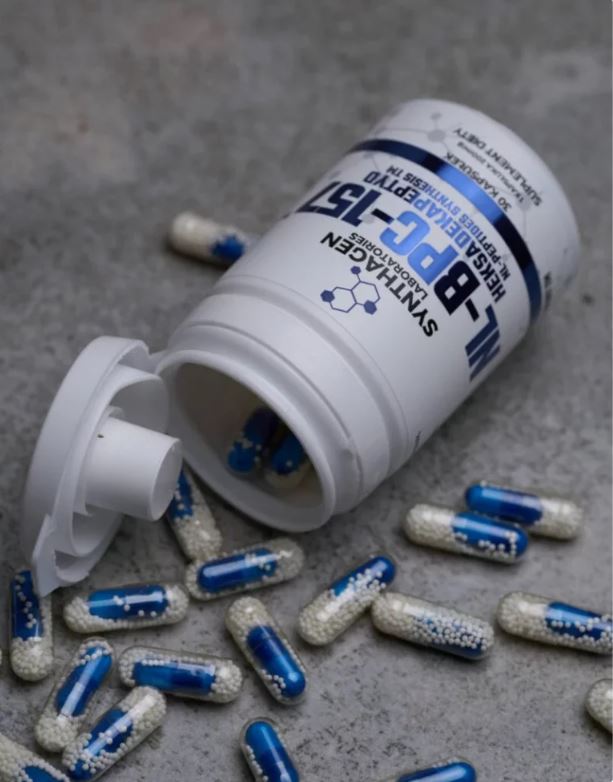
The BPC-157 peptide is composed of 15 amino acids and is a partial sequence of the BPC (Body Protection Compound), which was discovered and isolated from human gastric juice. BPC-157 is a synthetic fragment of this protein and is described as a "stable gastric pentadecapeptide". According to ongoing research, it is a peptide providing protection to many organs in our body, as well as a substance supporting the treatment and regeneration of many ailments and diseases.

Mechanism of action of BPC-157

Numerous studies conducted on the BPC-157 peptide show that it possesses the ability primarily to support the process of angiogenesis, i.e. the process of forming new blood vessels, thereby enabling the reconstruction and protection of our body's organs by supplying them with additional blood and nutrients. In short, thanks to the influence of BPC-157 on angiogenesis, what has been damaged can be repaired. It is worth mentioning that due to its pro-angiogenic action, BPC-157 peptide is able to regenerate damage caused by various factors, including damage caused by stress, mechanical damage or damage resulting from other diseases. The second main function of the BPC-157 peptide is its action as a free radical scavenger, thereby eliminating disruptions to the balance throughout the body that is needed for its proper functioning.

Benefits of using the BPC-157 peptide

Regenerative and protective action of BPC-157 on the digestive system

The action of the BPC-157 peptide involves inhibiting processes that damage the stomach walls by "activating" a factor capable of stimulating the process of angiogenesis. This is the process of forming new blood vessels, through which all gastric damage heals faster by delivering more blood and nutrients to the site of injury. This action finds application in, among other things, the treatment of stomach ulcers and congestion of the digestive system/gastritis. BPC-157 finds application in supporting the treatment of gastroesophageal reflux disease, because thanks to its regulatory capabilities it influences the regulation of pressure inside the esophagus, concerning the lower esophageal sphincter and the pyloric sphincter, meaning the peptide can be used both in preventive therapy and as a support for the treatment of gastroesophageal reflux disease, leading to its inhibition and resolution of associated symptoms. The protective action of the peptide is also based on "coating" the inner lining of the esophagus with a protective layer. The action of BPC-157 peptide leads to membrane stabilization, which eliminates the risk of leaky gut syndrome, while simultaneously affecting the harmful factors that cause its damage. Use of the BPC-157 peptide leads to increased capillary permeability, which helps maintain the integrity and cohesion of the intestinal mucosa, leading to the necessary and rapid regenerative exchange of substances between intestinal tissue and blood, as well as improvement of blood flow.

BPC-157 in the regeneration and protection of the musculoskeletal system

The BPC-157 peptide allows for twice as fast healing of broken bones. Under the influence of the peptide, increased production of fibroblasts occurs – cells responsible for producing regenerating collagen and elastin – and forming at the fracture site they create a "scaffold" for the bone, causing faster rebuilding. During the bone fracture healing process, the new tissue is characterized by great fragility and delicacy, exposing it to slower regeneration or additional damage. BPC-157 peptide, supporting the regeneration process, also leads to increased strength and hardness of the healing bone. This action of the peptide finds application in injuries such as lateral patellar compression syndrome, meniscus damage, shoulder joint degeneration or "jumper's knee". During tendon injury, BPC-157, intensifying the angiogenesis process through which new blood vessels are formed, delivers appropriate amounts of blood and nutrients needed for faster tendon regeneration to the injury site. Use of the peptide supports the damaged tendon and rebuilds it faster. Thanks to this action, the peptide means that the recovery period after tendon injuries is significantly shorter, and its action eliminates the formation of free radicals. BPC-157 supports the healing and reconstruction of soft tissue muscle damage by promoting angiogenesis as a factor in the production of new blood vessels, which plays a central role in the muscle damage healing process. Additionally, in the case of muscle injuries, frequent spasms of the damaged muscle tissue occur. The action of the peptide allows for minimizing the risk of such spasms, thereby also eliminating pain. Previous studies on the action of the BPC peptide have shown positive and rapid healing effects for various muscle injuries, characterized by fewer accompanying hematomas and swelling or absence of post-traumatic contractures. This occurs through increased activity of enzymes (creatine kinase, lactate dehydrogenase, aspartate aminotransferase, alanine aminotransferase).

Action of BPC-157 on skin damage and conditions

Thanks to therapy with the BPC-157 peptide, faster formation of new tissues in the skin occurs, with a simultaneously increased degree of collagenase, through which skin damage heals faster. Increased collagen synthesis is characterized by good organization of the epidermal layers, causing faster regeneration of damaged skin, with simultaneous thickening and reduced risk of re-damage. Hair follicle inflammation is a common skin condition. The action of BPC-157 peptide stimulates the activity of macrophages and fibroblasts, thereby leading to faster elimination of inflammation and wound healing through the release of growth factors that lead to skin regeneration processes. BPC-157 peptide also supports the release of inflammatory cytokines to trigger an immune response that will allow for the elimination of bacterial infection, which is one of the causes of hair follicle inflammation. BPC-157 supports the process of stimulating macrophages – cells that absorb damage – and also promotes the production of a specific group of lymphocytes (white blood cells), which leads to restoring the balance between T lymphocytes (blood cells responsible for destroying inflammatory cells), thereby alleviating the symptoms of atopic dermatitis, including excessive keratinization and lichenification resulting from intense itching. An additional benefit of using BPC-157 peptide during atopic dermatitis is the alleviation of the harmful effects of corticosteroid drugs most commonly used for this condition, such as cortisol and cortisone, which with longer-term use are characterized by a wide spectrum of side effects. BPC-157 peptide has an affinity for inhibiting the increased expression of factors excessively produced in psoriatic skin. Thanks to the aforementioned inhibitory capabilities, the peptide alleviates psoriatic lesions. The action of the peptide alone will not eliminate the disease, but will significantly improve quality of life, minimizing its symptoms to a minimum. In the basal layer of the skin, enzymes are present. When one of these enzymes, specifically KLK5, occurs at high concentration, inflammatory skin processes begin, including the development of rosacea. Through the action of BPC-157 peptide, the high concentration of this enzyme is reduced. The enzyme itself remains present only in the upper (superficial) layers of the epidermis, which is a natural and normal process in people without accompanying rosacea. Through the action of BPC-157 peptide, inflammatory processes occurring in the skin are alleviated, symptoms and their visibility are reduced, and the spread of rosacea to adjacent areas of the facial skin is inhibited.

BPC-157 Peptide Sets available at Synthagen Labs

BPC-157 in the cardiovascular system

BPC-157 peptide possesses properties that, with its systematic use, allow for the initiation of the vasodilation process in the body, i.e. widening of blood vessels, and consequently a drop in blood pressure. Long-term and regular use of the peptide supports proper blood flow and regulates blood pressure, thereby maintaining balance in the body. In a healthy circulatory system, blood flows freely through veins to the heart. When the mechanisms of blood transport to the heart fail, they cause blood to pool in the veins, inflammation to develop, damage to the epithelial layer lining the vessel, and consequently a thrombus forms, preventing blood transport to the heart. The presented symptoms of thrombotic disease can be alleviated through the use of BPC-157, which eliminates inflammation and reduces blood pressure. Acting preventively, BPC-157 prevents the development of venous congestion and insufficiency, becoming a new precursor in supporting the treatment of thrombotic disease.

Action of BPC-157 in the urogenital system

BPC-157 peptide acts as a tissue-elasticizing preparation, i.e. one that leads to strengthening of the pelvic floor muscles, which leads to the elimination of urinary incontinence complaints. Systematic peptide therapy supports thickening of the muscular structure of the urethra and improves the regularity of its shape, resulting in a significantly reduced risk of urinary incontinence in the future and alleviation of the existing problem. BPC-157 peptide promotes the immune system to fight microorganisms in the urinary tract, leading to the elimination of existing inflammation in the bladder. The peptide shows bacteriostatic action, which prevents the multiplication of pathogens, thereby preventing the development of inflammation in the urinary system in the future. Additionally, BPC-157 can be used in preventive treatment for recurrent cystitis, eliminating its recurrence.

BPC-157 in the nervous system

The GABA neurotransmitter is responsible for the proper functioning of the nervous system by inhibiting its excessive excitation. Both deficiency and excess of GABA lead to nervous system disorders, which is why maintaining its proper level is so important. BPC-157 peptide has a direct influence on the regeneration of the GABA system, while simultaneously accelerating the return to homeostasis – the ability to maintain relatively stable parameters in the nervous system – including after addiction or abuse of drugs and substances that directly damage this system. The neuroprotective action of BPC-157 peptide involves, among other things, the regeneration of nerve cells, thereby ensuring protection of brain tissue. Additionally, the action of the peptide supports the protection of brain tissue during symptoms accompanying drug withdrawal syndrome and even in the case of seizures occurring with their excessive intake. BPC-157 shows antidepressant action, which results from its interaction with the serotonin system, supporting proper body functioning during low mood, wellbeing disorders or moments of hesitation.

Toxicity and side effects of BPC-157 peptide

As mentioned at the outset, use of the BPC-157 peptide is characterized by a lack of toxicity. The main contraindication to using the peptide is existing cancerous diseases. While in a person without cancer, in regenerative and repair processes, angiogenesis is desirable because through the production of new blood vessels it delivers blood and nutrients to damaged areas of the body, in a person with cancer this is an undesirable phenomenon. Intensification of angiogenesis in people with accompanying cancer can lead to acceleration of the construction of the tumor's vascular network, which can accelerate the progress of the disease, including through the formation of metastases.

BPC-157 peptide dosage

Peptide dosage depending on body weight:

Peptide Weight up to 100 kg Weight above 100 kg
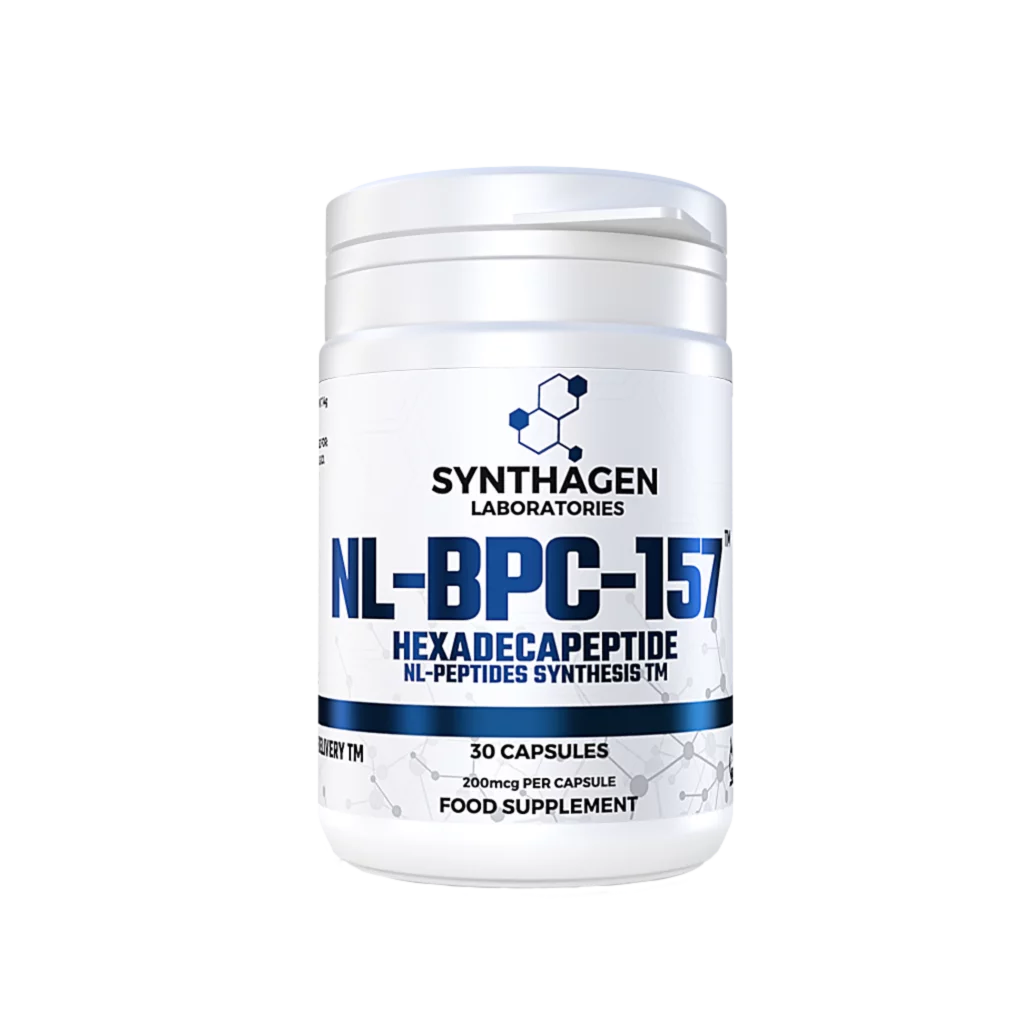
NL-BPC-157 200mcg daily / 1 capsule 400mcg daily / 2 capsules

NL-BPC-157 dosage is dependent on body weight, because the distribution of its concentration in the body differs between people weighing up to approximately 100 kg and those weighing above 100 kg. Weight-dependent dosage is related to, among other things, the distribution of peptides in the adipose tissue of the person taking the peptide. It is important to follow the recommended doses, because too low a concentration of the peptide in the body (subtherapeutic concentration) will not produce the expected therapeutic effect. Too high a concentration of the peptide, at a dose greater than recommended, as with any other substance, is simply unnecessary for the body. The appropriate concentration of the peptide, at the recommended dose, produces the expected supportive effect. Preventive dosage of peptides:

Peptide Weight up to 100 kg Weight above 100 kg
NL-BPC-157 1 capsule daily 2 capsules daily

Preventive use of each peptide is associated with its protective action for the body. In the case of, among other things, sports injuries, musculoskeletal injuries or skin injuries, to prevent them or prevent their recurrence, preventive intake of 1 capsule of NL-BPC-157 peptide is sufficient for people weighing up to approximately 100 kg, and 2 capsules for people weighing over 100 kg. Post-injury/Regenerative dosage of peptides:

Peptide Weight up to 100 kg Weight above 100 kg
NL-BPC-157 2 capsules daily 3 capsules daily

Post-injury/Regenerative use of each peptide is associated with the regenerative and rebuilding properties of each of them. In the case of, among other things, sports injuries, musculoskeletal injuries or skin injuries, for regeneration to occur, intake of 2 capsules of NL-BPC-157 peptide is sufficient for people weighing up to approximately 100 kg, and 3 capsules for people weighing over 100 kg. Time of peptide intake depending on digestive system complaints (stomach ulcers, leaky gut syndrome, heartburn and hyperacidity):

Peptide Presence of complaints Absence of complaints
NL-BPC-157 Take peptide after a meal Take peptide on an empty stomach

Taking peptides on an empty stomach causes a faster increase in their blood concentration. Taking peptides after a meal causes a slower increase in their blood concentration, but eliminates the risk of stomach irritation, which is particularly sensitive to them in connection with accompanying digestive system complaints (including stomach ulcers or heartburn and hyperacidity). Dosage period: NL-BPC-157 can be taken continuously, without the need for a break. It is important to remember to change the dosage in the case of, among other things, weight gain (to above 100 kg) or weight loss (below 100 kg). Change of dosage also applies to periods when our body needs prevention – preventive or regenerative action during injuries, increased physical activity or damage.

What is the NL-BPC-157 analogue?

Let us begin with a basic explanation of what an analogue is. An analogue is a chemically similar compound to the basic one, but designed and created for greater durability and effectiveness. In the case of peptides, only a few traditional types find application due to biological instability and rapid degradation. The solution to the problem of instability of traditional peptides is peptide modification, which allows for obtaining stable and effective forms of peptides in the form of analogues. The NL-BPC-157 analogue belongs to the NL-PEPTIDES group, in which the basic form of the peptide underwent modification consisting of synthesis, where an additional amino acid was attached to the basic form of the peptide (the best effects are observed when L-arginine molecules are attached to the peptide), and the N-amino terminus and C-carboxyl terminus of the peptide were also modified. Thanks to this modification, the NL-BPC-157 analogue has greater stability, particularly at high temperatures or in contact with low pH environments such as those found in gastric juice, enabling it to overcome the gastric barrier through which traditional peptides were destroyed before they had any chance to act on the body.

Why choose the NL-BPC-157 analogue?

Above all, the NL-BPC-157 peptide analogue allows for achieving therapeutic action in our body that will bring the expected effect conducive to regeneration or protection of a given condition, as opposed to the traditional form of the peptide, which will degrade before reaching the bloodstream and acting on the body.

Differences between BPC-157 and NL-BPC-157

Demonstrated action NL-BPC-157 BPC-157
Possibility of use in capsules

Resistance to low pH

Resistance to digestive enzymes

Resistance to high temperatures

Greater compound stability

Ability to mimic natural proteins

Does single capsule technology work?

An ordinary peptide placed in a single capsule has no regenerative or supportive action on the body, because before it reaches the bloodstream it will be degraded and destroyed by the acidic environment found in our stomach. Generally speaking, absorption of a peptide from the stomach into the bloodstream is impossible, and consequently it brings no benefit for improving the functioning of our body.

Double capsule technology

Double capsule technology, as the name suggests, involves placing a capsule inside a capsule. The first, larger, outer capsule is coated with a special acid-resistant enteric coating, so that when swallowed it bypasses the stomach and is resistant to its degrading factors such as digestive enzymes and stomach acids. It can therefore be said that it does not undergo enzymatic degradation. This capsule reaches the small intestine (the pH of the intestine is fairly high, but unlike the pH of the stomach, it does not have an acidic environment that is degrading for peptides), and once there it dissolves in the peptide-friendly environment, where it is absorbed into the bloodstream. At the moment the first outer capsule dissolves, the substance contained within it – an acid, usually citric or L-ascorbic – is released. The released acid, by penetrating the intestinal wall, lowers its local pH, thereby preparing the small capsule containing the peptide and, in our case, the absorption enhancer carnitine. By preparing the intestinal environment using the contents of the large capsule for absorption of the contents of the small capsule, the peptide passes into the bloodstream producing a therapeutic effect on the body, as we have proven in our patented work. Some questions may arise: The first concerns whether the deliberate lowering of local intestinal pH through the use of acid will not degrade the peptide. In the case of the NL-BPC-157 peptide analogue, this is not possible, because it is created and designed to be resistant to low pH and degrading factors. The second question concerns doubts about whether the acid will not degrade the peptide in the capsule during product storage. The answer is also no, because the peptide is separated from the acid through the use of the double capsule.

Why does double capsule technology work?

The patented technology, which makes it possible to administer peptides via the per os route, i.e. orally, in the form of a double capsule, allows for solving the most important problem of traditional peptides, namely:

  1. Degradation – the breakdown of the peptide in the digestive system.
  2. Absorption of the peptide from the small intestine into the bloodstream.

What form of BPC-157 administration is best?

The most convenient and safest method of administering medicinal substances for the patient is oral administration. The appropriate dose of the peptide contained in the innovative form of the NL-BPC-157 peptide analogue is introduced into the body by swallowing an enteric capsule, made using the patented peptide delivery technology in the form of a double capsule, which enters our digestive system without breaking down in it and migrates to the bloodstream, bringing the desired therapeutic effect. This is definitively the best form of peptide delivery because the majority of peptides currently on the market most often appear in their basic, unmodified form, which reduces their bioavailability and minimizes the effectiveness of their action.

What forms of BPC-157 are available on the market?

Standard form of BPC-157 – the basic form of the peptide. BPC-157 in acetate form – usually found in vials. ARG BPC-157 – a peptide processing method called salting out. The process involves dissolving the BPC-157 peptide in a buffer, then adding the amino acid L-arginine, then re-lyophilizing. This process makes the peptide more stable. NL-BPC-157 – similarly to the above case, the amino acid L-arginine is attached to the peptide. However, it is attached directly to the basic aminogram (covalently), rather than ionically as in the case of ARG-BPC-157. Additionally, the N-amino terminus of the peptide undergoes N-acetylation, and the C-carboxyl terminus of the peptide is amidated. The NL-BPC-157 form significantly surpasses other forms of this peptide and is far more effective than them. The company that introduced and patented this form of the peptide is Synthagen Laboratories.

In what forms do peptides appear on the market?

Double capsules NL-peptides-delivery – the capsule-in-capsule technology patented by SYNTHAGEN. Thanks to this, the peptide reaches where it should and penetrates the bloodstream – meaning it works. The capsules contain:

  • a protective coating
  • peptide absorption enhancers
  • ingredients that prepare the digestive system for peptide absorption
  • a chemically processed peptide (N-ACETYL peptide ARGINAMIDE), i.e. an NL-peptide, which does not break down and is fully absorbed into the body.

This form of delivery surpasses injections in several respects. Above all, it is convenient to use – it does not require special storage (it can be stored in a cabinet), an undissolved peptide (in powder form) is not as unstable as its dissolved form administered by injection, and furthermore the active substance itself is characterized by greater absorbability. Until now, to undergo peptide treatment it was necessary to use injections, which for many people was a rather controversial and problematic solution. Our peptides can be swallowed in capsule form – anywhere and at any time! The intact substance will go straight to the intestine and be absorbed into the body.

Tablets

BPC-157 in tablets is an effective form of delivery due to the production process. Tablets are made from a wet mass, which is then dried. Any contact of the peptide with water or another solvent used in tablet production causes degradation of the peptide – to a greater or lesser degree. Additionally, they need to be stored in the refrigerator.

Standard capsules

They are produced "dry" – unlike BPC-157 in tablets, there is no peptide loss during production. However, capsules available on the market do not work or work poorly, because they contain standard forms of peptides – which will be digested and destroyed before reaching the bloodstream after swallowing the capsule. These also need to be stored in the refrigerator.

Nasal sprays

Most peptides are not suitable for nasal administration, although there are exceptions such as selank and semax. They require storage in the refrigerator and away from light – the longer they stand on the shelf, the less effective they become.

Injections

The overwhelming majority on the market are glass or plastic vials with white powder inside – this should be a lyophilisate (powder dried at a negative temperature of -80 degrees C and in a vacuum). Inconvenient because you need to purchase syringes, solvent, mix the peptide with the solvent, calculate doses and keep it in the refrigerator away from light. Furthermore, the peptide is administered via intramuscular or subcutaneous injections, which for some may be problematic, painful, or simply controversial. The peptide, after being dissolved with solvent, degrades over time. The longer the dissolved peptide stands on the shelf, the worse it works. This can be compared to HCG, e.g. Pregnyl – the longer it stands dissolved, the less effectively it works.

FAQ - Most frequently asked questions about BPC-157

Which form of BPC-157 is better – vials or capsules?

Capsules are more convenient and do not need to be kept in the refrigerator.

Are capsules as effective as injections?

Only if they contain chemically processed NL-peptides.

Are peptides steroids?

No, peptides are not steroids – they are a different group of compounds. However, some peptides are on the WADA list, meaning they are prohibited for use by professional athletes.

Are peptides safe?

All peptides introduced to the market by Synthagen are fully safe and show no side effects. However, unfortunately the same cannot be said for all other peptides that can be found on the market. It is important to remember not to use peptides purchased from an uncertain source.

What can I realistically expect from taking BPC-157?

A general improvement in body functioning. Depending on which peptide you use, you may experience accelerated regenerative processes (useful for athletes), more energy on a daily basis, or notice an improvement in quality of life.

Is BPC-157 a miracle cure and will it help with a given condition?

It depends on the condition – each case should be considered individually. It may help. Let us remember that prevention is better than cure; in the case of diseases, any treatment should be consulted with a doctor.

Can I take BPC-157 all the time?

It depends on the type – the safe ones, yes. Using them continuously you will be acting in accordance with the principle that prevention is better than cure.

Can I combine injections with capsules?

Yes, you can combine injections with BPC-157 capsules.

Is BPC on the WADA list?

Standard BPC is. NL-BPC is not on the WADA list, because it is an analogue, so legally and for WADA it is a new compound.

Is NL-BPC better than ArgBPC?

Yes.

Do capsules absorb the same way as injections?

The effectiveness of an injection depends on the raw material and origin of the peptide. There are many Chinese peptides of unknown origin on the market – mainly in injections and vials. Assuming the peptide in the vial is "reliable", our capsules will work just as well.

Is using injections safe?

Taking into account the fact that these substances are often research reagents (and not intended for human use) and that infections can occur when substances are administered incompetently – the answer is NO.

How does the effectiveness of injections compare to capsules?

Let us compare a "reliable", effective NL-PEPTIDE in injection form with an NL-PEPTIDE in capsules – both are equally effective.

What are the contraindications to using BPC-157?

According to the label, BPC-157 must not be used by:

  • Pregnant women.
  • Breastfeeding women.
  • People with cancer.
Should the peptide be taken on an empty stomach or after a meal?

It does not matter. You can use BPC-157 both on an empty stomach and after a meal.

At what time of day should BPC-157 be taken?

It does not matter – take it whenever it is convenient for you.

Latest entries

See all

Antibiotics, stress and treatments – what happens to the digestive system?

Antibiotics, stress and treatments – what happens to the digestive system?

Antibiotics, chronic stress, and medical procedures are three factors that have a huge, often underestimated impact on the digestive system. Each of them, in its own way, disrupts the delicate microbiological balance of the intestines, weakens the intestinal barrier, and...

Read more

Why does hair fall out despite good tests?

Why does hair fall out despite good tests?

Hair loss despite good test results is a more common problem than it may seem. Standard tests do not detect all deficiencies or hormonal disorders responsible for hair loss. The causes may be subtle, multifactorial, and hidden deeper than a...

Read more

The intestines and the regeneration of the whole organism – a connection that is not talked about

The intestines and the regeneration of the whole organism – a connection that is not talked about

The gut is much more than just a digestive organ. It affects immunity, mood, energy levels, and — crucially for athletes — the speed of post-workout recovery. Taking care of gut health is one of the most underrated elements of...

Read more