 English


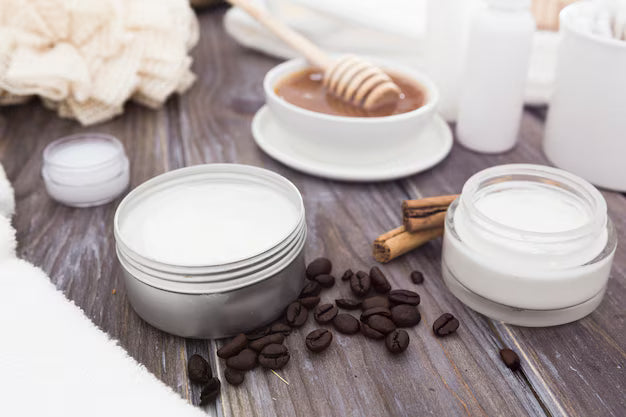
Aging is a natural process that affects all of us. However, thanks to advances in medicine and biotechnology, we can slow down its effects and improve our quality of life. One of the breakthrough discoveries in this field are peptides – small protein molecules that play a key role in tissue and cell regeneration. In this article, we will look at how peptides can support the fight against aging, what properties they have, and how they can be used in everyday skincare.
What are peptides?
Peptides are short chains of amino acids that are the building blocks of proteins. Unlike proteins, peptides consist of a smaller number of amino acids, which allows them to penetrate the skin and cells more quickly and easily. Their main function in the body is to regulate various biological processes, such as tissue regeneration, wound healing, and cell-to-cell communication.
In the context of aging, peptides play a key role in stimulating the production of collagen and elastin – proteins responsible for skin firmness and elasticity. As a result, regular use of products containing peptides can significantly improve skin appearance, reducing wrinkles and fine lines. In addition, peptides can support cell regeneration and accelerate the healing of micro-damage, which is extremely important in the rejuvenation process.
Types of peptides used in cosmetics
Various types of peptides are used in cosmetology, each with specific properties and applications. The most popular include signal peptides, carrier peptides, enzymatic peptides, and neuropeptides.
-
Signal peptides
These are most commonly used in anti-aging products. Their task is to stimulate fibroblasts to produce collagen and elastin, resulting in smoother wrinkles and improved skin elasticity. In turn, carrier peptides facilitate the penetration of active ingredients deeper into the skin, increasing the effectiveness of cosmetics.
-
Enzymatic peptides
They have the ability to break down unnecessary proteins, which helps cleanse the skin and improve its structure. Meanwhile, neuropeptides act at the cellular level, reducing facial muscle contractions, which decreases the visibility of expression lines. All these types of peptides together create a comprehensive solution in the fight against skin aging.
Use of peptides in daily skincare
Introducing peptides into daily skincare can bring numerous benefits, but proper use is key. First of all, it is worth choosing products that contain peptides in the appropriate concentration and form. Anti-aging serums and creams with peptides are particularly effective because they can penetrate deeper layers of the skin and deliver active ingredients where they are most needed.
Regular use of peptide products should be complemented by a healthy lifestyle and proper diet, rich in antioxidants and vitamins. In addition, protecting the skin from harmful external factors such as UV radiation and pollution is key to maintaining its youthful appearance. Peptides can also be used in the form of dietary supplements, which further supports cell regeneration from within.
It is also worth remembering that the effects of peptides are not immediate. Regular and long-term use of peptide products brings the best results, visible after several weeks or even months. Therefore, patience and consistency are key in the fight against skin aging.
Summary
Peptides are extremely promising substances in the fight against aging. Thanks to their regenerative properties and ability to stimulate collagen and elastin production, they can significantly improve the appearance and condition of the skin. Introducing peptides into daily skincare, both in the form of cosmetics and supplements, may help slow down the aging process and improve overall skin health. However, it is important to remember that regular and consistent use of these products, supported by a healthy lifestyle and proper diet, is essential. In this way, we can enjoy a younger appearance and healthy skin for many years.
If you are interested in products that can help rejuvenate your facial skin, check out our offer!


Injuries in powerlifting
BPC-157 in the gastrointestinal tract. Cytoprotective effects of BPC-157 in diseases of the stomach, intestines, and liver.