 English


Pain is a complex sensory and emotional experience that can significantly affect everyday functioning and quality of life. Depending on its cause, duration, and intensity, pain may require different approaches to management.
BPC-157 is a synthetic pentadecapeptide that has attracted research interest because of its potential effects on tissue repair, inflammation, and pain-related biological pathways. Most findings currently come from laboratory and animal studies, while human clinical evidence remains limited.
This article provides an overview of pain mechanisms, common types of pain, conventional analgesic approaches, and what current research suggests about BPC-157.
Keywords: pain, BPC-157, pain management, acute pain, chronic pain, neuropathic pain, analgesic research
What Is Pain?
Pain is commonly described as an unpleasant sensory and emotional experience associated with actual or potential tissue damage.
Pain signals can originate when specialized sensory receptors known as nociceptors respond to potentially harmful stimuli. Pain may also occur as a result of damage or dysfunction within the nervous system.
The pain pathway generally involves several stages:
-
Transduction – harmful stimuli are converted into electrical signals.
-
Transmission – signals travel through peripheral nerves toward the spinal cord and brain.
-
Modulation – pain signals may be amplified or reduced within the nervous system.
-
Perception – the brain interprets the signals as the experience of pain.
The Function of Pain
One of the primary functions of pain is protection.
Acute pain can warn the body about potential or existing tissue damage and encourage behaviours that reduce further injury. For example, pain caused by an injury may naturally limit movement while the affected area recovers.
However, pain does not always remain a short-term protective response. In some cases, it can persist and develop into chronic pain.
Types of Pain
Acute Pain
Acute pain usually occurs in response to injury, inflammation, surgery, or another identifiable cause.
It generally develops quickly and may be accompanied by physiological stress responses, such as increased heart rate or blood pressure.
In many cases, acute pain decreases as the underlying tissue heals.
Chronic Pain
Chronic pain persists for a longer period and can continue beyond the expected healing time of an injury.
It may have physical, psychological, and social consequences and often requires a broader approach to management.
Chronic Nociceptive Pain
Nociceptive pain results from the activation of pain receptors due to tissue irritation or damage.
It may occur in conditions involving joints, muscles, bones, or other tissues.
Examples can include pain associated with osteoarthritis and certain musculoskeletal conditions.
Neuropathic Pain
Neuropathic pain occurs when nerves or other structures within the nervous system become damaged or dysfunctional.
It may be described as:
-
burning,
-
shooting,
-
tingling,
-
electric-like pain,
-
or increased sensitivity to touch.
Neuropathic pain may result from peripheral nerve injury, spinal cord damage, metabolic disorders, or other neurological conditions.
Phantom Pain
Phantom pain refers to pain perceived in a body part that has been surgically removed, most commonly following limb amputation.
The exact mechanisms are complex and may involve changes within both peripheral nerves and the central nervous system.
Complex Regional Pain Syndrome
Complex Regional Pain Syndrome, or CRPS, is a chronic pain condition that can occur following an injury or nerve damage.
CRPS Type I
CRPS Type I can develop following an injury without clearly identifiable damage to a major peripheral nerve.
Symptoms may include:
-
persistent pain,
-
swelling,
-
changes in skin temperature,
-
abnormal sweating,
-
and increased sensitivity.
CRPS Type II
CRPS Type II is associated with identifiable nerve damage.
It may involve burning pain, allodynia, hyperalgesia, and abnormal sensitivity to temperature changes.
Central and Spinal Pain
Pain can also originate from damage affecting the spinal cord or central nervous system.
Central pain syndromes may occur following neurological injury and can vary considerably in intensity and presentation.
Because these conditions involve complex nervous-system mechanisms, specialist medical assessment is generally required.
Conventional Analgesic Medicines
Pain-management strategies depend on the underlying cause and the type of pain involved.
Common analgesic medicines include:
-
non-opioid analgesics such as paracetamol,
-
non-steroidal anti-inflammatory drugs (NSAIDs),
-
certain medicines used for neuropathic pain,
-
and opioid medicines in selected clinical situations.
Each category acts through different biological pathways and has its own potential benefits, limitations, and safety considerations.
How Do Analgesic Medicines Work?
Different pain medicines work through different mechanisms.
NSAIDs, for example, reduce the production of prostaglandins by inhibiting cyclooxygenase enzymes. Prostaglandins are involved in inflammation and pain signalling.
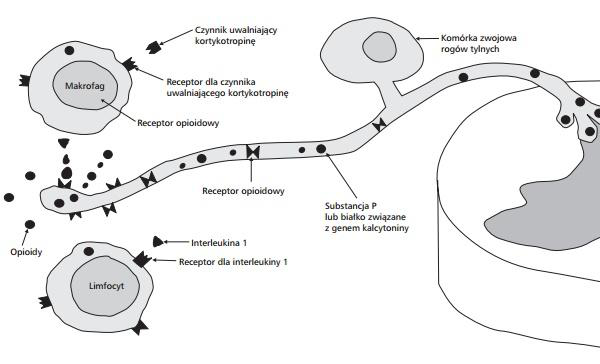
Opioids primarily interact with opioid receptors within the nervous system, reducing the transmission and perception of pain signals.
The appropriate approach depends on the cause, severity, duration, and individual characteristics of the pain.
BPC-157 and Pain Research
BPC-157 is a synthetic peptide consisting of 15 amino acids.
Researchers have investigated it in several experimental models involving tissue injury, inflammation, nerve signalling, and musculoskeletal recovery.
Some preclinical studies suggest that BPC-157 may influence biological pathways connected with pain perception and inflammation.
Potential mechanisms discussed in the scientific literature include interactions with:
-
dopaminergic signalling,
-
nitric oxide pathways,
-
inflammatory processes,
-
vascular responses,
-
and tissue-repair mechanisms.
These findings have contributed to interest in the peptide as a possible research candidate in pain and regenerative medicine.
What Does the Research Show?
Experimental studies have reported pain-modulating effects of BPC-157 in several animal models.
More recent scientific reviews have also discussed its possible relationship with inflammation, tissue repair, and pain signalling.
However, an important distinction must be made between preclinical research and established clinical treatment.
Most research on BPC-157 has been conducted in animals or laboratory models. Human evidence remains limited and currently consists primarily of small observational studies and pilot investigations.
For example, a small retrospective study examining intra-articular BPC-157 injections reported improvement in knee pain among several participants. However, the study involved a very small group, lacked a placebo control, and used subjective follow-up measures.
Therefore, these findings should be considered preliminary rather than proof of clinical effectiveness.
Research Limitations
Although BPC-157 continues to attract scientific interest, several important limitations remain.
Current research lacks:
-
large randomized controlled clinical trials,
-
standardized pharmaceutical formulations,
-
validated therapeutic dosing protocols,
-
comprehensive pharmacokinetic data,
-
and extensive long-term human safety information.
Because of these limitations, BPC-157 should currently be regarded as an investigational peptide rather than an established pain treatment.
Safety Considerations
Available human research on BPC-157 is very limited.
Small pilot studies have investigated its use without reporting major adverse effects, but the number of participants studied remains too small to establish a comprehensive safety profile.
Regulatory authorities have also highlighted the lack of sufficient human safety information concerning BPC-157.
Further controlled clinical studies are therefore required to understand its potential risks, appropriate dosing, effectiveness, and long-term safety.
Summary
Pain is a complex process involving interactions between peripheral tissues, nerves, the spinal cord, and the brain.
Modern pain management uses different therapeutic approaches depending on the cause and type of pain.
BPC-157 has generated research interest because experimental studies suggest possible effects on inflammation, tissue repair, and pain-related signalling pathways.
However, current evidence remains predominantly preclinical, and human research is limited.
While BPC-157 represents an interesting area of scientific investigation, additional well-designed clinical studies are necessary before conclusions can be made regarding its effectiveness or safety as a pain-management therapy.
References
-
Sikiric P., Hahm K., Blagaic A., et al. Brain-gut Axis and Pentadecapeptide BPC 157: Theoretical and Practical Implications. Current Neuropharmacology. 2016;14:857–865.
-
Żylicz Z., Krajnik M. Jak powstaje ból? Neurofizjologia bólu. 2003;2(1):49–56.
-
Recent scientific reviews evaluating BPC-157 describe promising preclinical findings but emphasize that controlled human clinical evidence remains limited.
Disclaimer: This article is intended for educational and scientific-information purposes only. It does not constitute medical advice and should not be interpreted as a recommendation to diagnose, prevent, or treat any medical condition.



BPC-157 and Musculoskeletal Injuries: What Does the Research Show?
Can Peptides Be Taken Orally? Bioavailability and Oral Peptide Delivery