 English


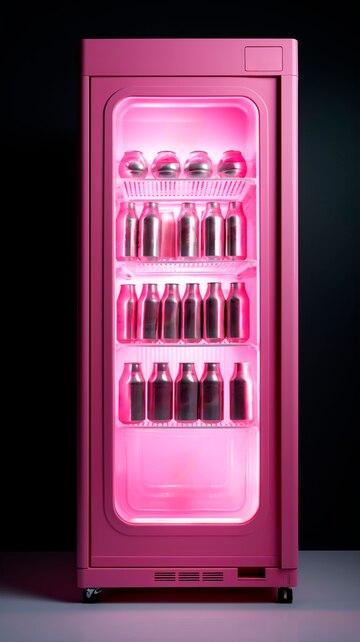
Peptides are gaining popularity in the world of supplementation and aesthetic medicine, promising benefits ranging from improved skin condition to increased muscle mass. However, to fully benefit from their potential, proper storage is extremely important. Do peptides really need to be kept in the refrigerator? In this article, we answer this question by analyzing the properties of peptides, their stability, and the best storage practices.
Properties of peptides
Peptides are short chains of amino acids that play key roles in living organisms. Due to their structure, peptides are sensitive to environmental conditions. Exposure to high temperature, light, and moisture can lead to their degradation. This is why proper storage of peptides is crucial to maintain their bioactivity.
Most peptides used in dietary supplements and cosmetic products are lyophilized, meaning freeze-dried. Lyophilization extends the product’s shelf life, but it does not completely eliminate the risk of degradation. As a result of this process, peptides become more stable, but they still require appropriate storage conditions to maintain their properties.
It is extremely important to read the manufacturer’s storage instructions before purchasing and using peptides. This information is usually available on the packaging or in the included leaflet. Following these recommendations can significantly affect the effectiveness of peptides.
Why the refrigerator?
The main reason peptides should be stored in the refrigerator is to maintain their chemical stability. Low temperatures slow down degradation processes that can affect peptide structure. A cold environment minimizes the risk of breakdown, which is especially important for peptides with more complex structures.
A refrigerator is an ideal place to store peptides because it provides a constant, low temperature. The optimal storage temperature for most peptides ranges from 2 to 8 degrees Celsius. It is also important that peptides are protected from light, so they should be stored in a dark container or in a refrigerator drawer.
It is worth remembering that once peptides are dissolved in water or another solvent, their shelf life is significantly reduced. Dissolved peptides should be stored in the refrigerator and used within a few days to ensure maximum effectiveness. If peptides are stored improperly, they may lose their properties, resulting in reduced effectiveness and wasted product.
Alternative storage methods
Although refrigeration is the recommended method for storing peptides, there are also other methods that may be used depending on conditions. For long-term storage, peptides can be frozen, but this requires following several important rules. First, peptides should be frozen in tightly sealed, airtight containers to prevent condensation and contamination.
Freezing peptides at -20 degrees Celsius or lower can extend their shelf life by several years. However, repeated freezing and thawing should be avoided, as these processes may lead to peptide degradation. It is best to divide peptides into smaller portions before freezing, allowing only the necessary amount to be thawed without exposing the rest of the product.
Another alternative is storing peptides in a dry, cool place, away from heat and moisture sources. Although this is not the optimal solution, it can be used for short-term storage if access to a refrigerator is limited. It is important that peptides are kept in tightly sealed packaging that protects them from external factors.
Summary
Peptides are valuable compounds that require proper storage to maintain their properties. Keeping peptides in the refrigerator is the recommended practice that ensures their chemical stability and bioactivity. Low temperatures slow down degradation processes, resulting in longer product shelf life. Although alternative storage methods exist, such as freezing or keeping them in a cool, dry place, the refrigerator remains the best choice. By ensuring proper storage conditions, we can maximize the potential of peptides and enjoy their benefits for a longer time. Remember that proper storage is key to the effectiveness of peptides and satisfaction with their use.
Interested in discovering the benefits of peptides? Learn how they can support your health and recovery now! Click here!
Injuries in powerlifting
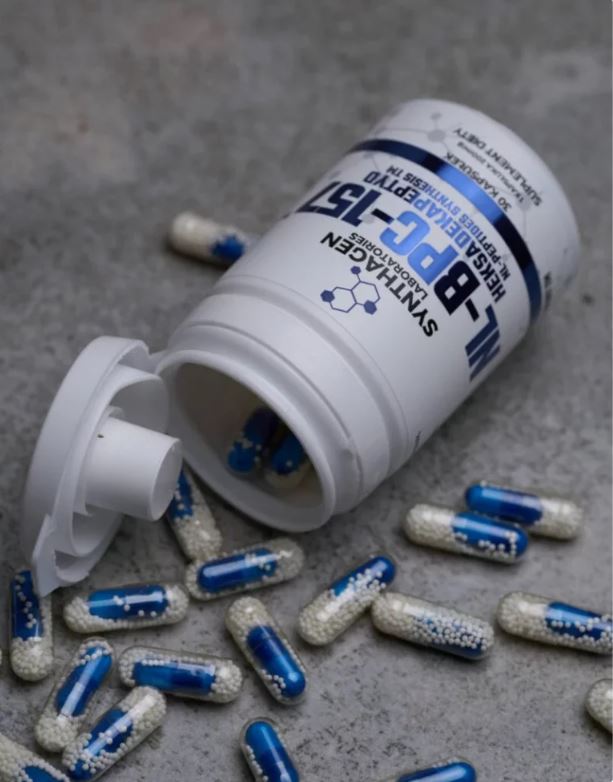
BPC-157 in the gastrointestinal tract. Cytoprotective effects of BPC-157 in diseases of the stomach, intestines, and liver.