 English


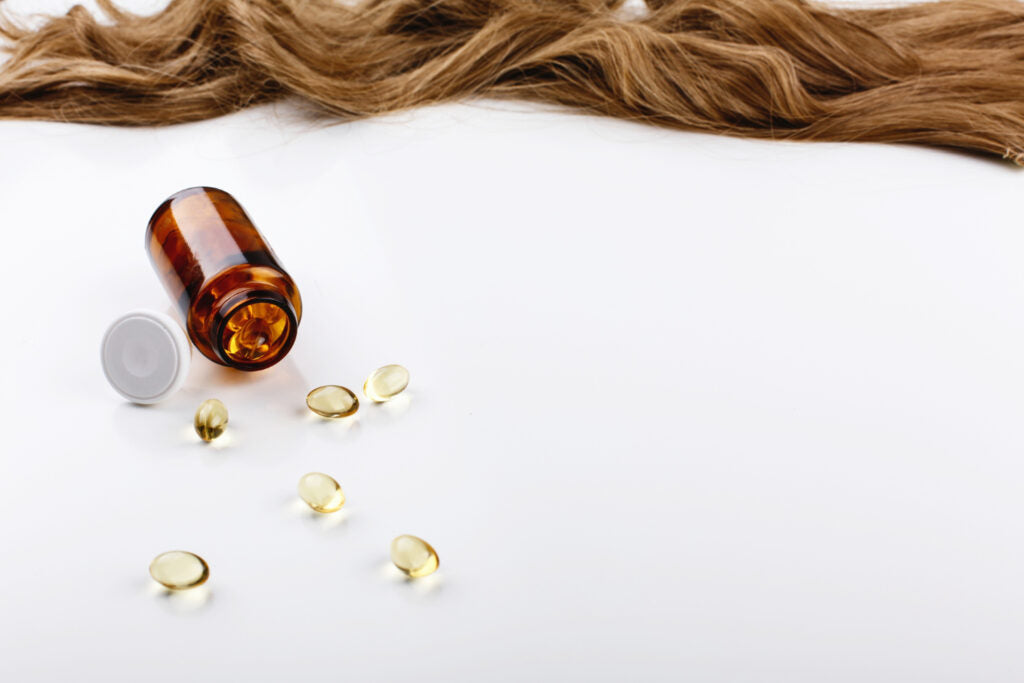
Hair is an important element of our appearance, and its loss can affect our self-confidence. A potential solution may be peptides, which play a key role in stimulating hair growth. These compounds are gaining popularity as natural support for people struggling with thinning hair. In this article, we will look at how peptides can support hair restoration, affecting its density and overall health.
Table of contents
- How do peptides work on the scalp?
- Which peptides are most effective for hair?
- How to use peptides to achieve the best results?
- Peptides vs natural solutions for hair loss
- Summary
How do peptides work on the scalp?
Peptides are short chains of amino acids that play an important role in cell communication. Their effect on the scalp involves stimulating hair follicles, leading to their regeneration. Peptides stimulate collagen production, which is essential for a healthy scalp structure and supports cell regeneration. This can significantly improve hair density.
Additionally, some peptides act as antioxidants, protecting the scalp from damage caused by oxidative stress. They reduce inflammation, which can weaken hair follicles. As a result, peptides help protect hair from falling out, which is crucial for people suffering from androgenetic alopecia.
It is also important to note the moisturizing properties of peptides. They improve scalp elasticity, which in turn promotes healthy hair growth. Increased scalp hydration improves follicle nourishment and supports their proper function.
Which peptides are most effective for hair?
There are many peptides with different effects available on the market. One of the most commonly used is GHK-Cu, which supports tissue regeneration and stimulates hair growth. This compound improves scalp condition and increases hair follicle activity, accelerating the growth of new hair. Thanks to its ability to bind copper, GHK-Cu helps stimulate microcirculation, which is crucial for hair health.
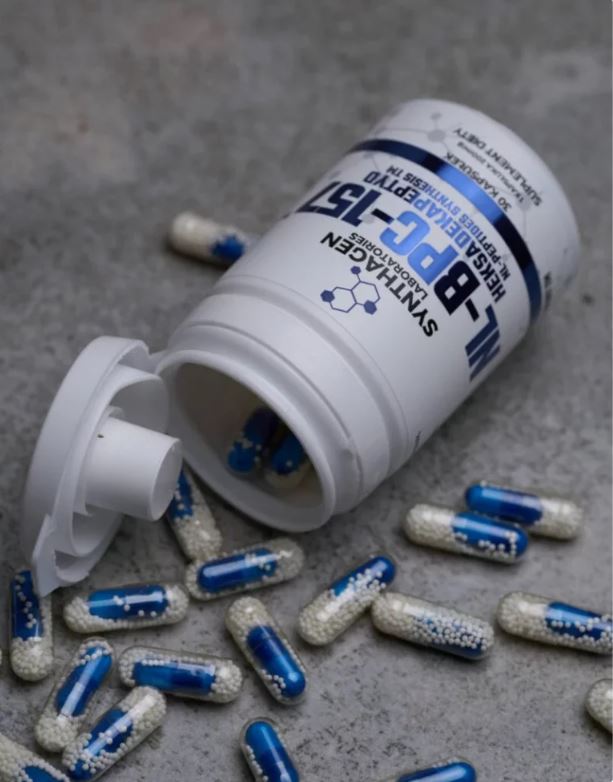
Another popular peptide is BPC-157, known for its regenerative properties. Its regular use supports tissue repair, including the scalp, accelerating the restoration of hair follicles. It is also worth mentioning that BPC-157 helps reduce inflammation, which is important for people with hair loss caused by skin conditions.
Epitalon is another peptide worth noting. It is known for its anti-aging properties, and its effect on cell regeneration may benefit the scalp, supporting healthy hair growth. Regular use of Epitalon promotes an extension of the hair growth phase.
How to use peptides to achieve the best results?
To achieve maximum benefits from peptides, proper usage is essential. Peptides can be applied topically to the scalp in the form of serums or creams, as well as taken orally in capsule form. Oral use may accelerate results, as peptides affect the entire body, improving overall hair health.
When choosing the right product, it is worth paying attention to its composition. Focus on preparations containing:
- Copper peptides (GHK-Cu)
- BPC-157
- Epitalon
Peptides can also be used in combination with other hair growth-supporting substances such as biotin or niacinamide. The combination of these ingredients may accelerate results and provide healthier-looking hair in a shorter time.
Peptides vs natural solutions for hair loss
Peptides are an alternative for people who want to avoid more invasive hair loss treatments such as hair transplants. They work naturally, stimulating the body’s regeneration and repair processes. This is a solution that not only supports hair health but also has wide applications in cosmetics and medicine, helping with skin and muscle regeneration.
Compared to other methods such as minoxidil or finasteride, peptides are less aggressive to the body and cause fewer side effects. This makes them an excellent option for people seeking a safe and effective alternative in the fight against hair loss.
Regular use of peptides brings visible effects, but it is important to remember that results take time. Patience and consistency are key to achieving full benefits.
Summary
Peptides offer effective and natural support in the fight against hair loss. Thanks to their regenerative, antioxidant, and moisturizing properties, they can significantly improve scalp condition and support the growth of new, healthy hair. Peptides such as GHK-Cu, BPC-157, and Epitalon are among the best solutions available on the market and are worth considering if you dream of thicker and healthier hair.


Injuries in powerlifting
BPC-157 in the gastrointestinal tract. Cytoprotective effects of BPC-157 in diseases of the stomach, intestines, and liver.